
Commercial Roofers in Running Springs
Commercial roofing in Running Springs should begin with a documented assessment of membrane condition, seams, flashings, drainage, penetrations, and moisture before repair, coating, or replacement is selected. Running Springs sits at the junction of Highways 18 and 330, around 6,000 feet, where everything headed to Snow Valley and Big Bear funnels through town. The shops, restaurants, gas stations, and lodging along that corridor make their money off pass-through traffic, and their roofs carry some of the heaviest snow in the San Bernardino Mountains. We work these buildings year-round.
What the Gateway Buildings Are Up Against
The commercial strip through Running Springs is mostly older wood-frame construction with a mix of steep gables and low-slope additions bolted on over the decades. Every addition created a valley, a wall transition, or a dead spot where snow piles and sits. Those junctions are where we find the rot when we open these roofs up.
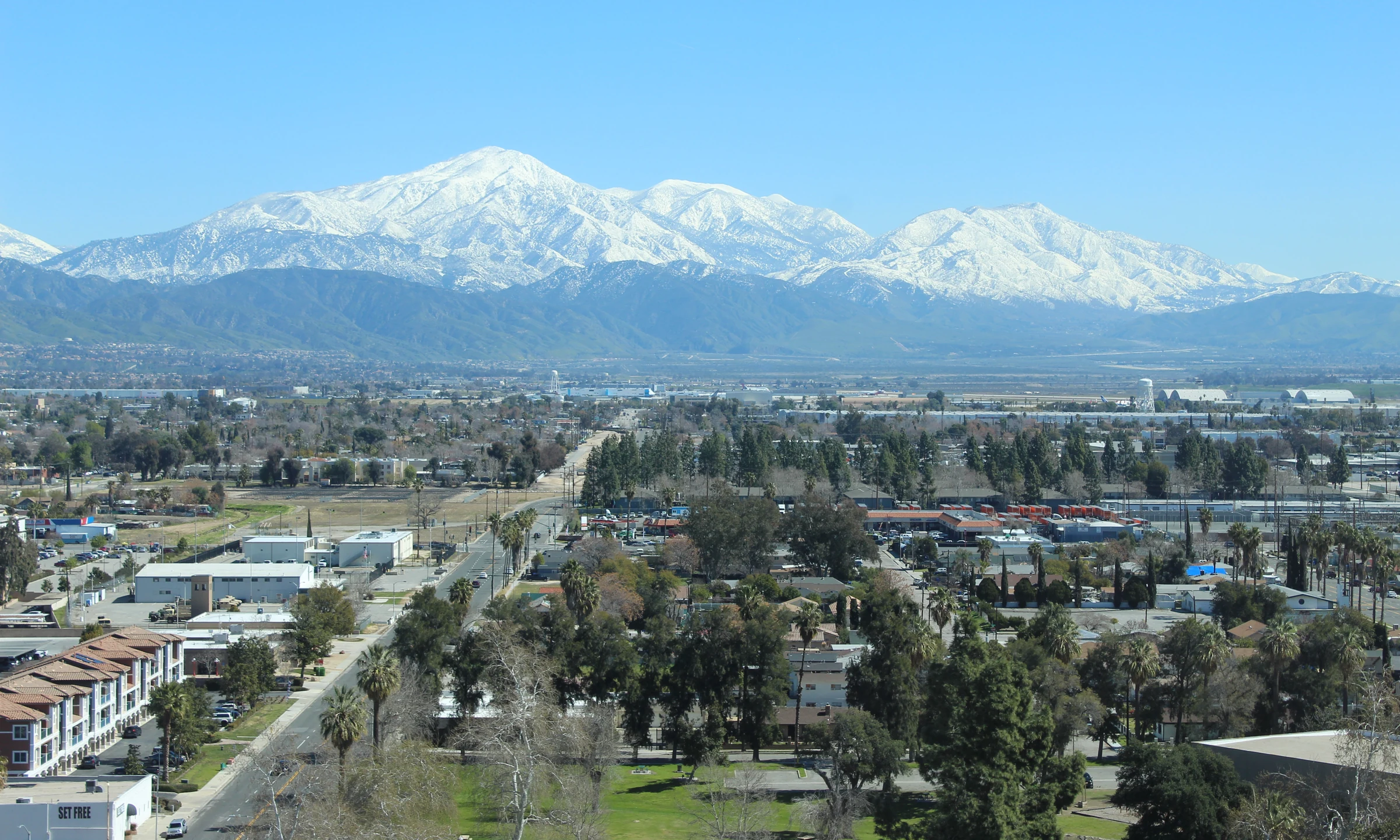
Elevation is the other factor. Running Springs catches more snow than Crestline or Lake Arrowhead because it sits higher on the ridge. A storm cycle that leaves a foot down the hill can leave three here, and the 2023 blizzard sequence buried this town for weeks. Any commercial roof decision in this zip code starts with structure, then drainage, then material.
Business rhythm matters too. Winter weekends are the payday for a Running Springs restaurant or ski-serving shop. Nobody wants a roofing crew blocking their lot in January. We do the heavy work in the late spring through fall window and keep winter for inspections, snow management, and emergency response.
Snow Load Is a Structural Question First
Before we quote a re-roof up here, we want eyes on the framing. Ridge sag, cracked rafters, crushed blocking over bearing walls, and deflection in long-span dining rooms all tell us the roof has been carrying more than it was built for. Adding a heavier roof system to a marginal structure is malpractice, so we flag it early and bring in an engineer when the numbers are close.
On sound structures we like standing seam metal for the steep faces. It sheds load instead of storing it, which effectively lightens the structure's winter burden. Where a building has low-slope sections that catch shed snow, we upsize the membrane, add protection layers, and make sure drains and scuppers can move meltwater fast during a warm spell. A rapid thaw after a big cycle moves a season of water in two days.
Ice, Thaw, and the February Leak Call
Freeze-thaw cycling at this elevation is relentless. Daytime sun softens the snowpack, the temperature drops through the evening, and everything locks up again. Ice builds at eaves, in valleys, and inside gutters until meltwater has nowhere to go but backward under the roofing. Storefronts with warm interiors and unheated overhangs are the repeat offenders.
We fix the assembly, rather than the symptom. That means air sealing and insulation where heat is escaping, full ice and water shield coverage past the warm wall line, correctly lapped eave metal, and ventilation that keeps the roof deck cold so the snowpack melts from the sun side, not the building side. Heat trace goes in only where roof geometry traps water no matter what.
When we take a winter leak call in Running Springs, the sequence looks like this:
- Locate the interior entry point and trace it upslope, because water travels laterally under snowpack
- Shovel and clear a working area without gouging the roof surface
- Break the ice dam mechanically or with steam, never with an axe into the membrane
- Dry in the breach with cold-weather-rated materials that bond below freezing
- Document everything with photos for the owner and the insurance file
- Schedule the permanent repair for the next safe weather window
Fire Zone Rules Apply Here Too
Running Springs is surrounded by national forest and mapped in a very high fire hazard severity zone. The town has seen close calls, and the ember problem is the same one the whole mountain faces: wind-driven embers landing in gutters full of pine needles, under lifted shingle edges, and in unscreened vents. County requirements push re-roofs toward Class A assemblies, and we build to that standard without being asked.
For the highway commercial stock, we pay extra attention to roof-to-wall intersections where a lower roof meets a taller neighbor. Those corners collect debris all year and catch embers in a fire event. Metal edge details, screened venting, and a debris-removal schedule are the practical package. We fold gutter and valley cleaning into our maintenance programs for exactly this reason.
Working Around the Mountain Calendar
Chain control on the 330 and the 18 can cut a working day to nothing, and summer monsoon cells build over the ridge fast. We watch the weather like ski patrol does. Tear-off only happens when we can dry in the same day, material gets staged so it is not sitting exposed, and we keep crews local enough to respond when a storm changes the plan.
For owners, the practical advice is simple: get the roof looked at in September. That leaves time to fix what we find before the first real storm, and it beats paying emergency rates in January. An hour of inspection in the fall regularly saves a Running Springs building owner a ceiling, a floor, and a week of lost winter business.
Straight Answers for Running Springs Owners
How much snow load should my commercial roof handle?
Design snow load here is set by the county based on elevation, and Running Springs sits in one of the higher-load bands on the mountain. What your specific building must carry depends on its permit history and framing. We verify against the current requirement during inspection rather than guessing from the roof's age.
Can you work on my building in winter if something fails?
Yes. Emergency dry-in, ice dam removal, and temporary patching are winter services we staff for. Full replacement waits for a proper weather window, but we will keep the building dry until then and document the damage properly.
My flat section over the kitchen ponds every spring. Is that normal?
It is common, not normal. Spring ponding usually means the drainage was designed for rain, not for a snowpack melting all at once, or the deck has settled. We check slope, drain sizing, and scupper placement, and often the fix is added tapered insulation and a second drainage path rather than a whole new roof.
Do I need snow guards above my entrance?
If a steep roof plane drains toward a door, walkway, or parking row, yes. A slab of consolidated snowpack coming off a metal roof can hurt someone and crush what it lands on. We calculate retention layout from pitch and snowpack, and we anchor to structure instead of panels alone.
Is a coating a real option up here or just a lowland trick?
On low-slope sections in decent condition, a silicone coating can buy years and handle the UV at elevation well. It is not a fix for a saturated roof or a structural problem, and it does nothing for steep-slope snow issues. We core-test first, then tell you which category your roof is in.