Acrylic Coatings for Metal Roofs and Dry Climates
A coating recommendation starts with adhesion, moisture, drainage, membrane condition, detail preparation, and warranty eligibility, not every existing roof is a restoration candidate. Acrylic coating costs less than silicone and does its best work on roofs that don't hold standing water, especially metal roofs that have lost their factory shine. This page covers where acrylic makes sense and where we steer owners toward something else instead.
Where Acrylic Outperforms Silicone
Cost is the first reason. Acrylic runs less expensive than silicone per square foot, which matters on a large roof area where the budget difference is real money. On a metal roof with no ponding concerns, that cost advantage isn't offset by any meaningful performance gap.
Metal roofs specifically are acrylic's strongest fit. The coating bonds well to properly prepped metal panels, restores reflectivity to a chalked or faded factory finish, and holds up on a sloped surface where water sheds off rather than sitting.
Metal Roof Prep: Rust Treatment Before Coating
Any surface rust at fastener heads or panel seams gets treated before we coat, not painted over. Coating directly over active rust just seals moisture against the metal and accelerates the corrosion underneath the new coating layer.
We wire-brush or treat rust spots, replace any compromised fasteners, and confirm the panel surface is clean and properly profiled for coating adhesion before the first coat goes on.
On older R-panel roofs especially, we'll find a handful of fasteners that need swapping out entirely rather than just cleaning up, and we handle that as part of the same mobilization rather than billing it as a separate visit.
Reflectivity and Cooling Load in High Desert Heat
A faded, chalked metal roof absorbs far more heat than a fresh reflective coating allows, and that shows up directly in a building's cooling costs during summer months. That effect is more pronounced on buildings out toward Hesperia and Victorville, where daytime heat runs hotter and longer through the summer than closer to the coast.
For an owner paying to cool a large metal-roofed warehouse or retail building, a reflective acrylic recoat is often one of the more cost-effective improvements available, well before considering mechanical upgrades.
Recoat Cycles and What Shortens Them
A well-applied acrylic coating holds its reflectivity and waterproofing for years, but certain conditions shorten that cycle, heavy foot traffic, debris accumulation that isn't cleared regularly, or any spot where water collects even briefly against the coating's design intent.
We build a recoat schedule around the specific roof rather than a generic timeline, since a roof with active rooftop equipment traffic wears differently than one that's rarely walked.
Dust is a bigger factor out here than in a lot of climates. Wind-blown dust off open desert lots settles on a coated roof between rains and, over time, dulls reflectivity faster than UV exposure alone would. We factor that into how we set the recoat interval for buildings out toward the high desert edge of the territory.
- Chalking factory paint finish losing reflectivity
- Minor surface rust at fastener heads
- Faded original panel finish
- Seam sealant drying and starting to crack
- Panels structurally sound with no through-holes
- Building experiencing noticeably high summer cooling costs
Where We Don't Recommend Acrylic
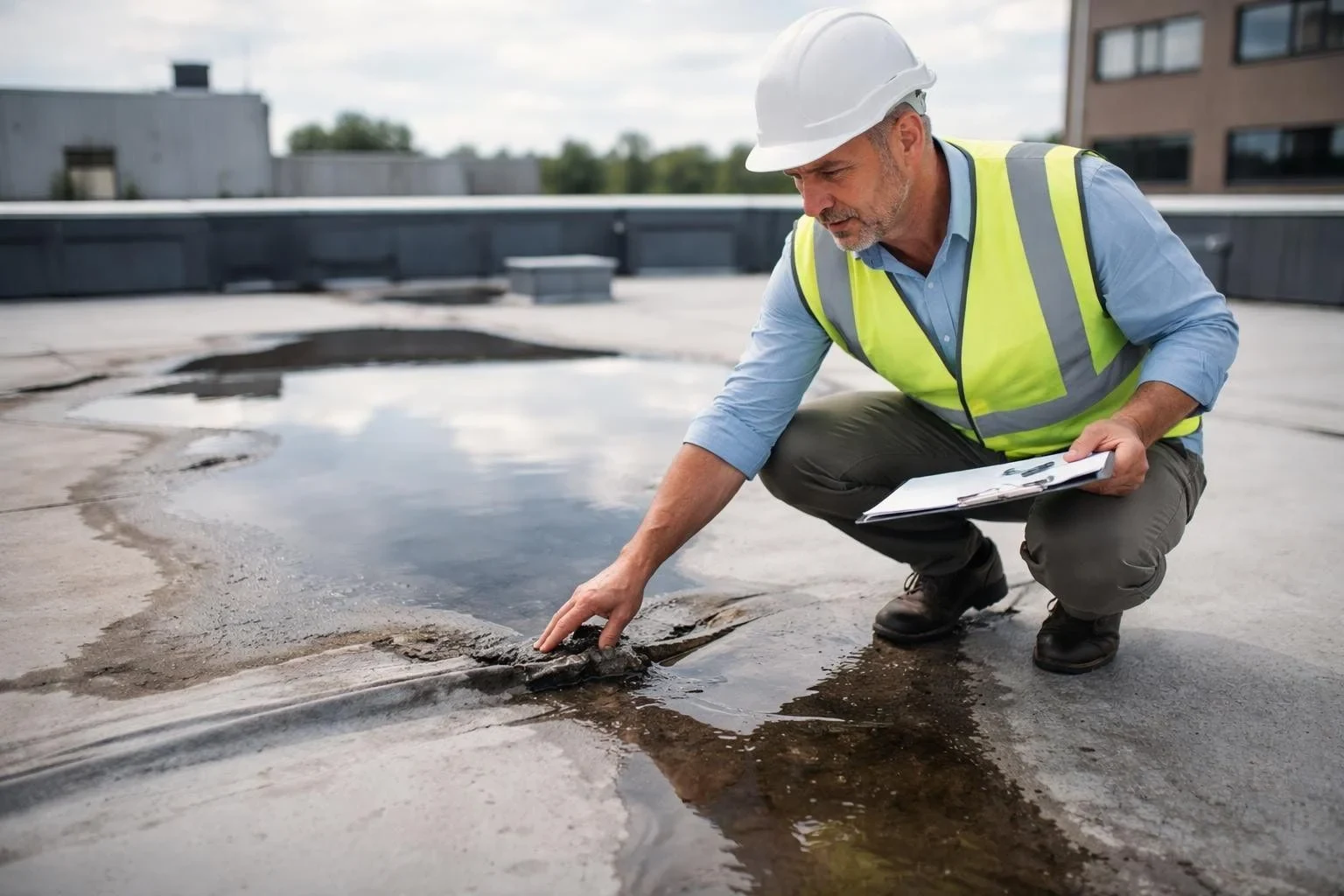
Any roof area with standing water is a mismatch for acrylic. We steer those roofs toward silicone instead, even if it costs more, because an acrylic coating in a ponding area softens and fails well before its expected service life.
Low-slope membrane roofs with poor drainage fall into the same category. Acrylic works best on the sloped and well-drained roofs it was designed for, not as a universal coating solution across every roof type we service.
We'd rather tell an owner up front that acrylic is the wrong system for their roof than sell a cheaper coating that fails within a season. The cost savings only matter if the coating actually holds up under real conditions on that specific building.
Questions We Get About Acrylic Coatings
Is acrylic coating a good fit for my metal warehouse roof?
In most cases, yes, provided the roof sheds water properly and doesn't have ponding areas. We confirm that during the site walk before recommending it.
How much can a reflective coating actually reduce cooling costs?
The effect depends on the building's current roof condition and HVAC setup, but a chalked, faded metal roof recoated with a reflective acrylic system noticeably reduces heat gain compared to its pre-coating state.
Does acrylic coating stop rust on a metal roof?
It protects a properly treated and prepped surface from new corrosion, but it won't reverse existing rust damage. Active rust needs to be addressed before coating, not covered up by it.
How long does an acrylic coating last on a metal roof?
With proper prep and application, several years of reliable service before a recoat is typically needed, depending on exposure and rooftop traffic.
Can acrylic coating be used on a low-slope membrane roof?
Only where drainage is solid and ponding isn't a concern. If a low-slope roof has any history of standing water, we recommend silicone instead.