Self-Storage Roofing Across the Growing Perris and Moreno Valley Corridors
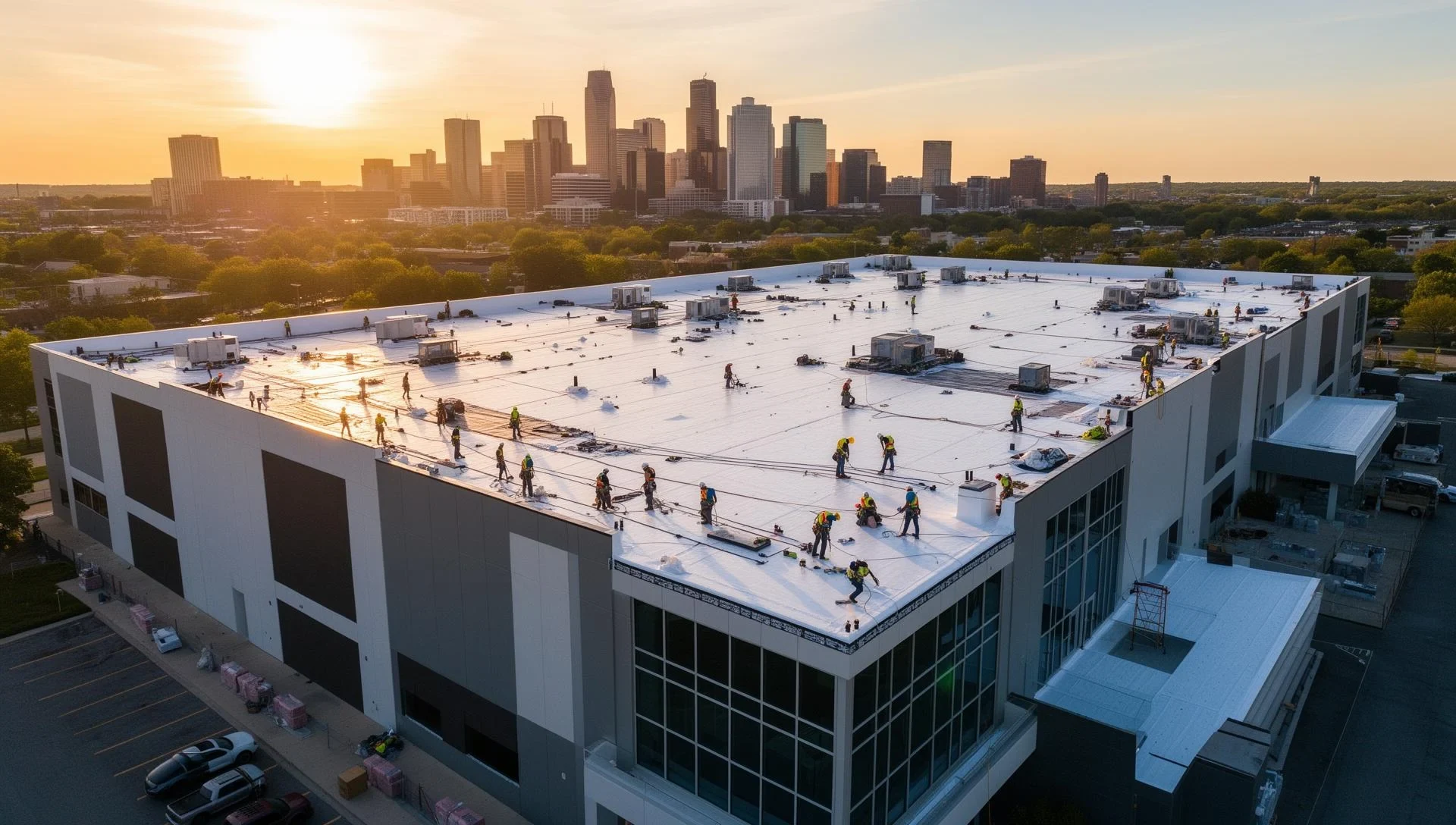
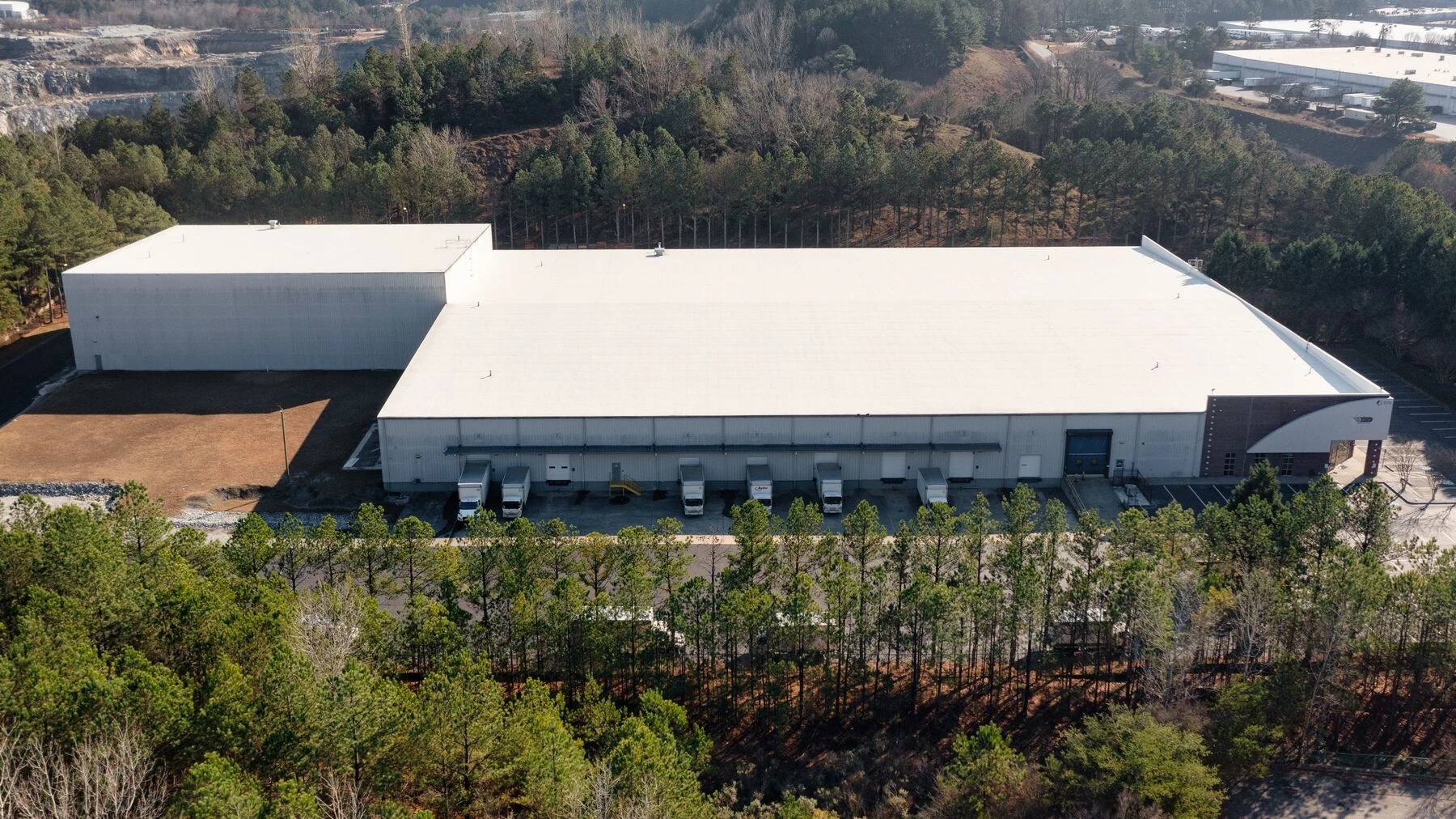
Self-storage has followed the housing growth out through Perris and Moreno Valley, and most of these facilities are rows of long, low metal buildings rather than one big single roof. We work on standing seam and R-panel storage buildings across this corridor, where a leak means water damage to the building and, worse for the business, an angry tenant's stored belongings sitting in it.
A Dozen Buildings Instead of One Roof
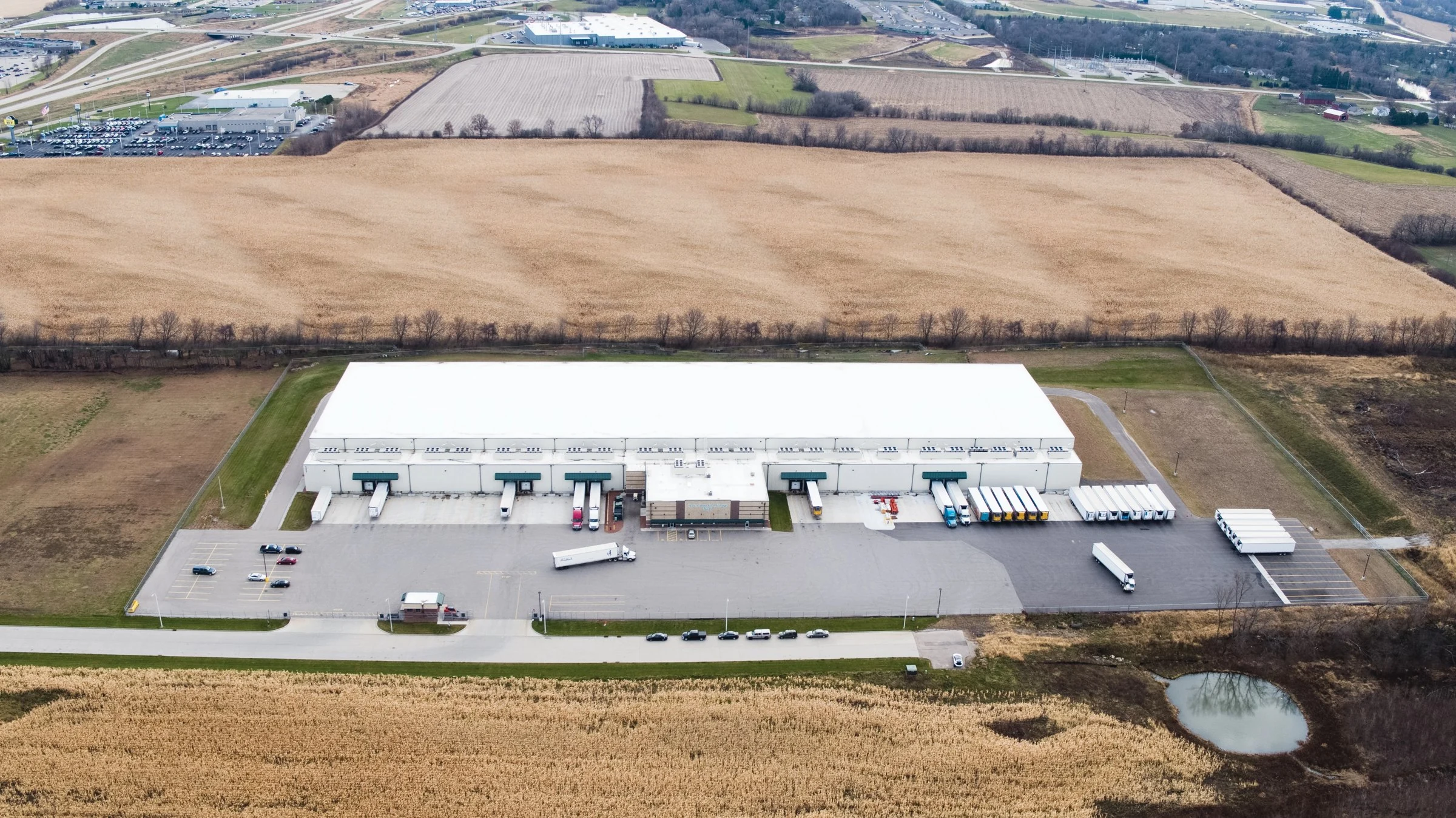
A typical storage facility here is not one roof but eight, ten, or more separate buildings, each with its own ridge, eave, and drainage path. That changes how we survey the property. Instead of walking one field and calling it done, we assess each building individually, because a facility built in phases over several years often has different roof ages and materials from row to row.
We number buildings on the survey to match the facility's own unit numbering system, so a leak reported over unit 214 gets tracked to the exact building and roof section, not a vague reference that requires a manager to walk the property looking for the right row.
Metal Roof Fasteners Are the Number One Failure Point
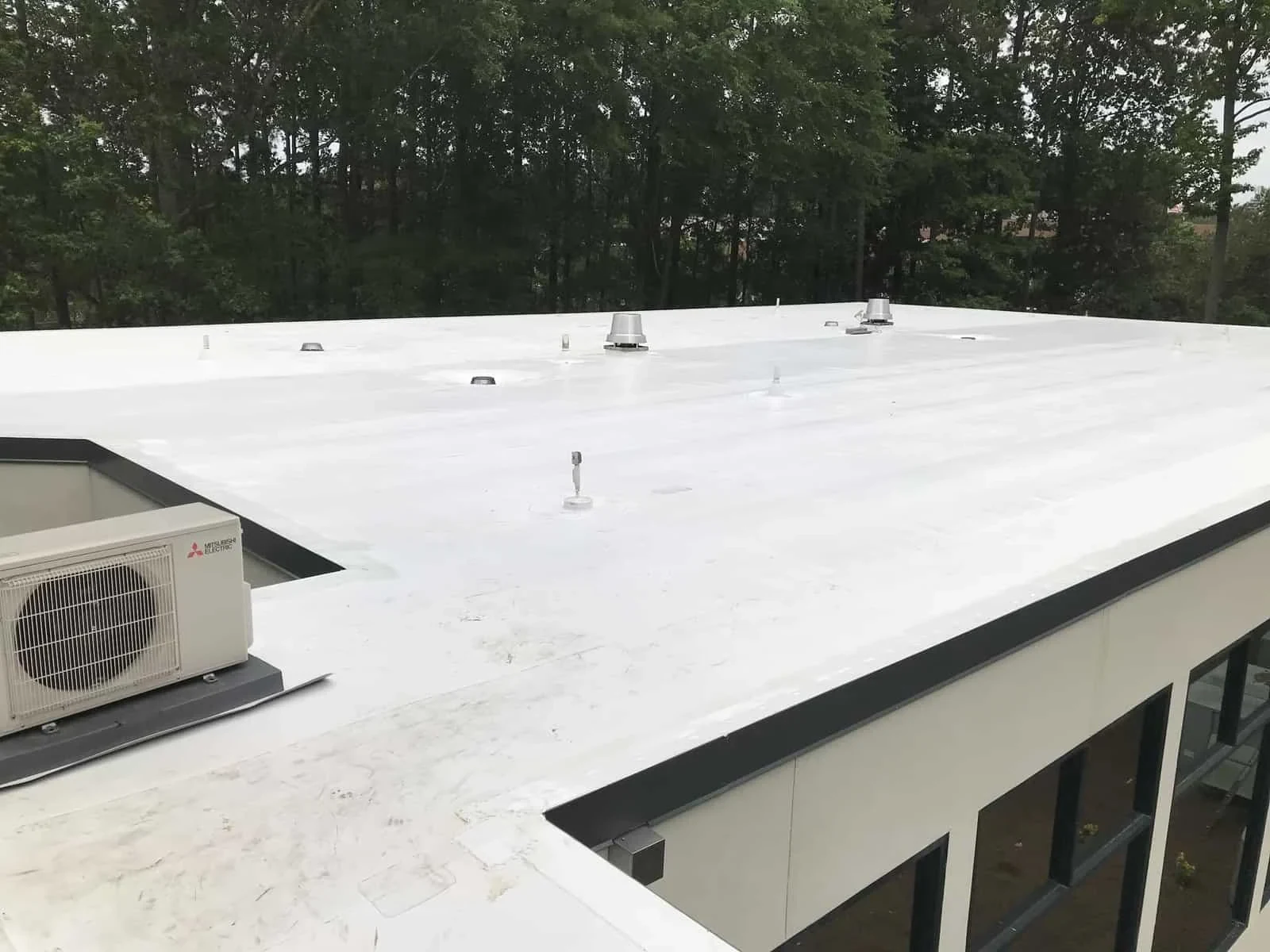
Most storage buildings in this market use exposed-fastener metal panels, and those fasteners are where nearly every leak starts. Rubber washers on exposed fasteners break down under UV and heat well before the metal panel itself shows any wear, and a facility that has never had its fasteners checked is usually carrying dozens of failed washers across the property without anyone noticing until a tenant complains.
We check fastener condition building by building rather than assuming one sample section represents the whole property. Re-driving or replacing fasteners across a facility is far cheaper than a full reroof, and catching washer failure early is the single biggest cost saver we offer storage owners.
Ridge Caps and End Wall Flashing Take the Wind
Long, low metal buildings with exposed ridge lines catch wind loads that a single big warehouse roof handles differently. Ridge cap fasteners and end wall flashing on storage buildings work loose over time from thermal cycling and wind flutter, and a loose ridge cap on one building can let water track the entire length of the row before it finds a gap to drip through.
We inspect ridge caps and end wall terminations as their own line item, separate from the panel field, because these details fail well before the panels themselves do on most of the buildings we see out here.
A typical self-storage roof survey from us covers:
- Building-by-building inspection matched to the facility's own numbering
- Exposed fastener and washer condition sampled across every building on the property, rather than one section alone
- Ridge cap and end wall flashing inspection separate from the panel field
- Gutter and downspout flow check at every building, since these clog fast near vacant lots
- Panel seam and lap condition on older mechanically seamed roofs
- Skylight panel condition where translucent roof panels are installed for daylighting
- Photo documentation organized by building for the property manager's file
Roofing Over Tenants' Stored Property
Nothing sours a storage facility's reputation faster than a customer opening their unit to water damage. We schedule roof work building by building so only one row is ever open at a time, keep tarping ready at the end of every shift regardless of forecast, and coordinate with the facility manager on which units are climate-controlled or hold higher-value contents that need extra protection during the work above them.
Access roads between buildings at these facilities are often narrow, built for tenant traffic rather than construction equipment. We plan material staging and lift access around that layout ahead of time rather than discovering the constraint on day one.
New Construction Keeping Pace With Growth
With storage demand still climbing in the Perris and Moreno Valley area as new rooftops and warehouses bring in more households and workers, we also work directly with developers on new-build storage roofs, where getting fastener spacing, ridge detailing, and drainage right from day one avoids the washer failures and leak patterns we spend most of our repair calls fixing on older facilities.
Self-Storage Roofing, Questions Facility Managers Ask
Why does only one building in our facility keep leaking?
Facilities built in phases often have different roof ages by building. The building leaking is usually just older or was built with a different fastener or panel spec than the rest of the property.
Is it cheaper to fix fasteners than replace the whole roof?
Almost always, if caught early. Failed washers on exposed fasteners are the most common cause of storage roof leaks, and re-fastening a building costs a fraction of a full panel replacement.
Can you work without shutting down access to tenant units?
Yes. We work one building or row at a time, so tenants in other sections of the facility keep normal access throughout the project.
Do you check every building or just the ones reporting leaks?
We survey every building on the property. A leak in one section is often an early sign of the same fastener or flashing issue developing elsewhere on the facility.
What should a new storage development spec for roofing from the start?
Proper fastener spacing and washer quality, solid ridge cap detailing, and drainage planned for the full building length. Getting that right up front avoids most of the repair calls we run on older facilities.