Medical Office Roofing Near Loma Linda and Hospitality Lane
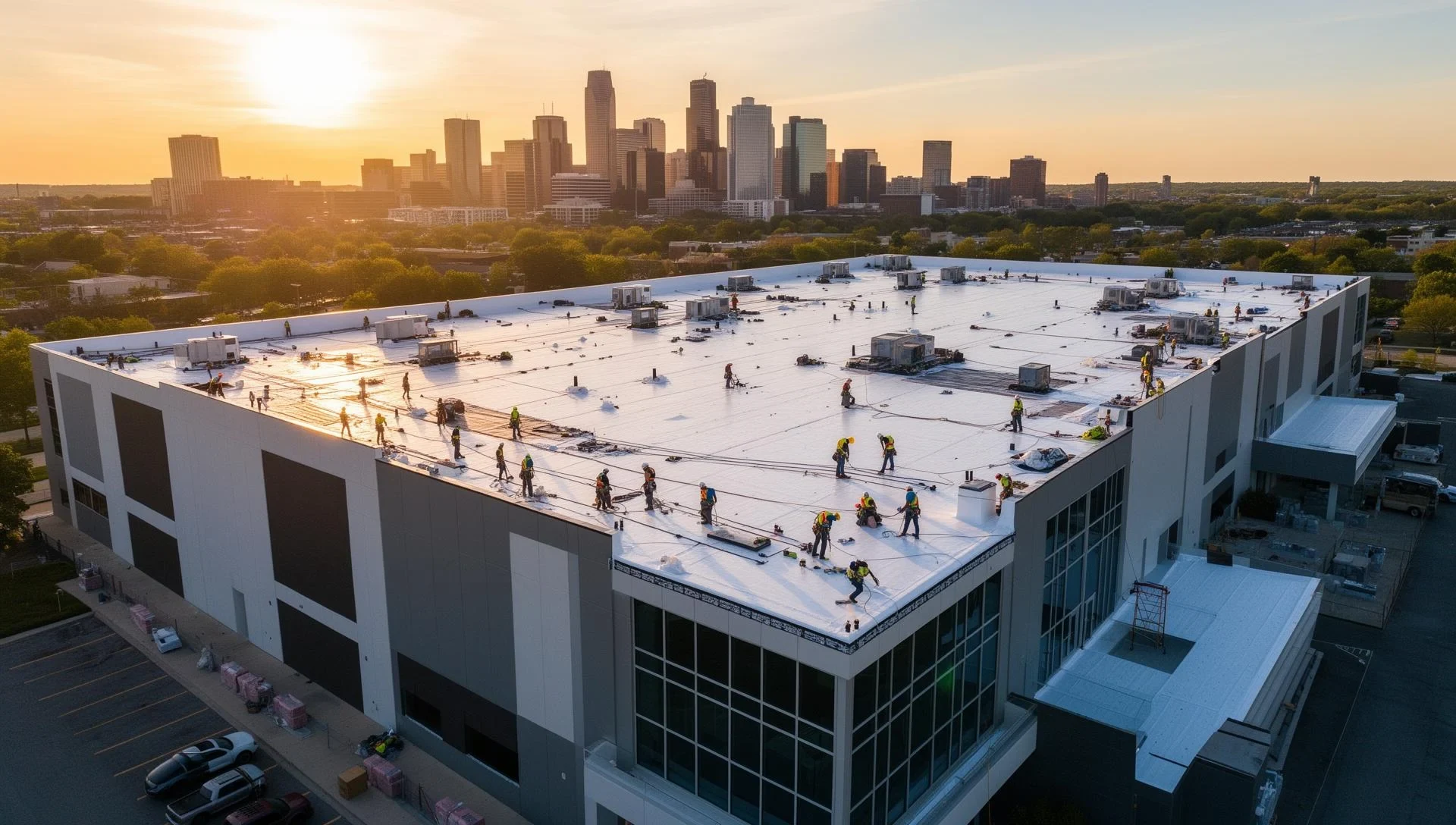
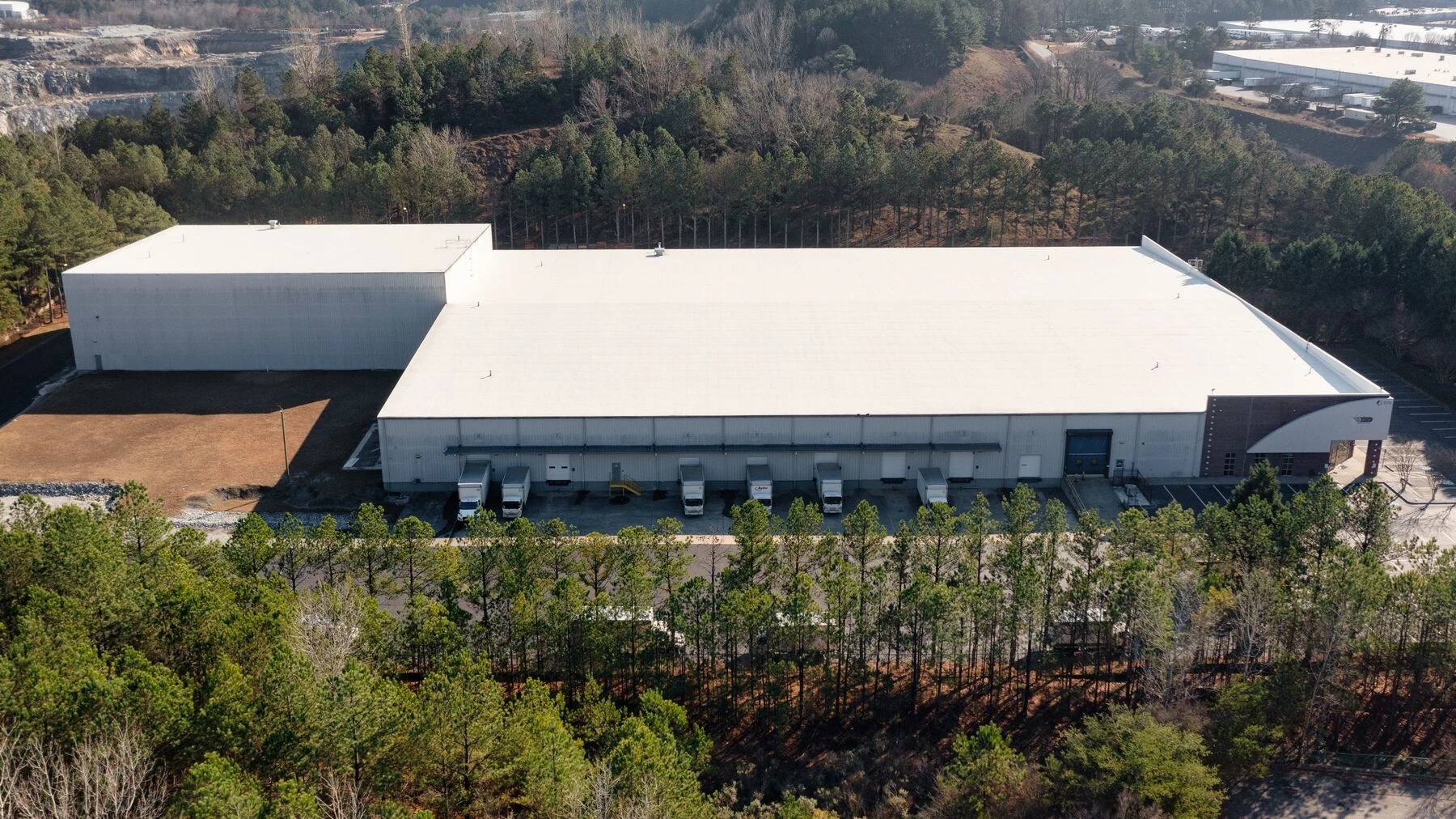
A medical office roof answers to a building full of exam rooms, imaging suites, and patients who cannot simply reschedule around construction noise overhead. We work on medical office buildings clustered near the Loma Linda hospital corridor and along Hospitality Lane, where clinics, outpatient practices, and specialty offices sit close together in low-rise buildings built specifically to serve that medical district.
What Sits Below the Roof Changes the Whole Approach
An exam room ceiling tile stain is a different problem than the same stain in a retail stockroom. Medical office buildings often have sensitive equipment directly under roof sections: imaging equipment sensitive to vibration, HVAC systems dialed in for infection control airflow, and rooms that cannot tolerate even short-term humidity swings.
Before we plan any roof work on a medical building, we walk the interior with facilities staff to understand what sits below each section we will be working over. A vibration-sensitive imaging suite changes how we schedule equipment movement and fastening work directly above it, and that only comes from knowing the floor plan below, ahead of the roof plan itself.
Rooftop Mechanical Serves More Than Comfort Here
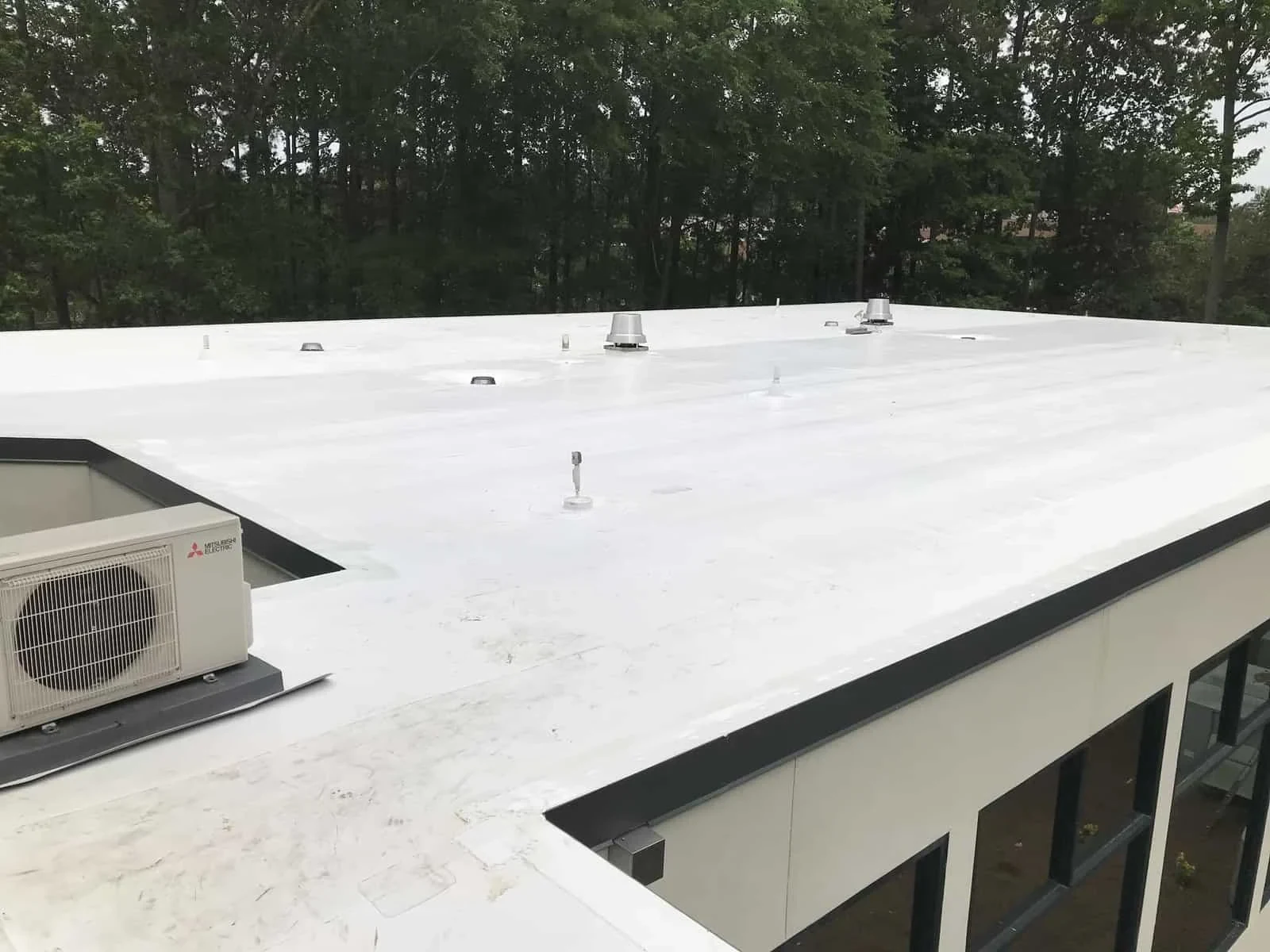
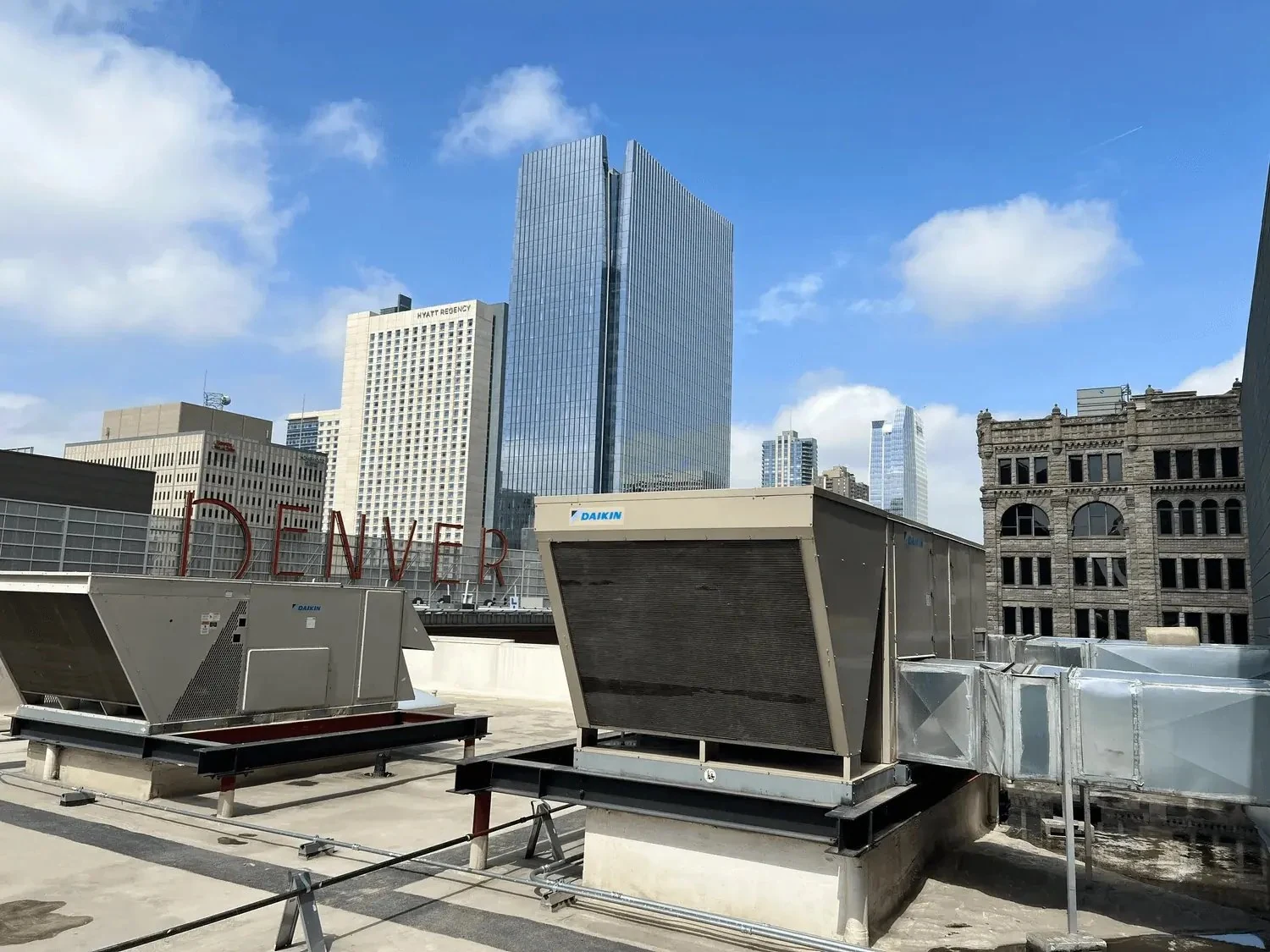
Medical buildings often run dedicated exhaust for procedure rooms, specialized makeup air units, and HVAC systems maintaining pressure relationships between spaces that matter for infection control well beyond simple temperature. Those systems tie into the roof through their own curbs and penetrations, and any work near them needs to respect pressure balance requirements the building's mechanical engineer specified for a reason.
We identify which curbs serve general comfort systems and which serve procedure-room or lab exhaust before opening anything near them, and we coordinate directly with the building's mechanical contractor rather than assuming standard HVAC procedures apply to every unit on the roof.
Lab exhaust in particular sometimes carries chemical byproducts that a standard membrane or coating was not built to handle over the long run, similar to what we see near industrial exhaust stacks elsewhere in the valley. We flag those zones for a heavier-duty flashing detail rather than treating every curb on a medical roof the same way.
Noise and Vibration Limits During Patient Hours
Roof work generates noise and vibration that most buildings tolerate without issue, but a patient in an exam room or a physician performing a procedure below cannot always work around a crew driving fasteners overhead. We schedule the loudest phases of any medical office roof project, tear-off and fastening in particular, around clinic hours whenever the building's operating schedule allows, and we confirm noise-sensitive procedure times directly with practice managers before mobilizing.
Vibration-sensitive equipment gets special handling too. Imaging equipment calibration can be thrown off by heavy impact work nearby, and we plan work sequencing around known equipment locations rather than treating the whole roof as a uniform work zone.
A typical medical office roof survey covers:
- Interior walkthrough matching roof sections to sensitive spaces below
- Curb identification separating general HVAC from procedure-room or lab exhaust systems
- Pressure relationship and makeup air unit coordination with the building's mechanical contractor
- Noise and vibration scheduling matched to clinic hours and procedure schedules
- Drain and scupper flow check across the field
- Skylight and daylighting panel condition where present in waiting areas
- Interior protection planning for any space below open deck sections
Infection Control During Roof Work
Dust and debris control matters more on a medical building than almost any other property type we work on. We seal roof access points and interior penetrations more aggressively than a standard commercial job, and we coordinate with the building's infection control or facilities lead on any additional containment steps their protocols require, particularly near any space serving immunocompromised patients.
Serving a Cluster of Independent Practices
Many medical office buildings near Hospitality Lane and the Loma Linda corridor lease space to a mix of independent practices rather than a single tenant, similar to a strip center but with far less tolerance for disruption. We coordinate scheduling across multiple practice managers directly, rather than expecting a single point of contact to relay project timing to every tenant in the building.
A radiology practice on one floor and a physical therapy office on another can have entirely different sensitivities to the same roof work happening above both of them. We ask each practice manager directly what their equipment and patient schedule require rather than applying a blanket noise and vibration plan across a building with that much variation in what sits underneath the roof.
Medical Office Roofing Questions From Practice Managers
Can you work without disrupting patient appointments?
In most cases yes. We schedule the loudest work around clinic hours and confirm sensitive procedure times directly with practice staff before starting.
Does roof work affect imaging equipment inside the building?
It can, mainly through vibration from heavy impact work. We plan around known equipment locations and coordinate timing to avoid interfering with calibration or active use.
How do you handle exhaust systems for procedure rooms?
We identify those curbs separately from standard HVAC and coordinate directly with your mechanical contractor before any work happens near them.
What extra precautions do you take for infection control?
Tighter dust and debris containment than a standard commercial job, plus any additional steps your facilities or infection control lead requires for spaces serving sensitive patients.
Our building has several independent practices leasing space. How does scheduling work?
We coordinate directly with each practice manager on timing rather than routing everything through a single contact, since disruption tolerance often differs practice to practice.