Roofing Active Distribution Centers in the Inland Empire
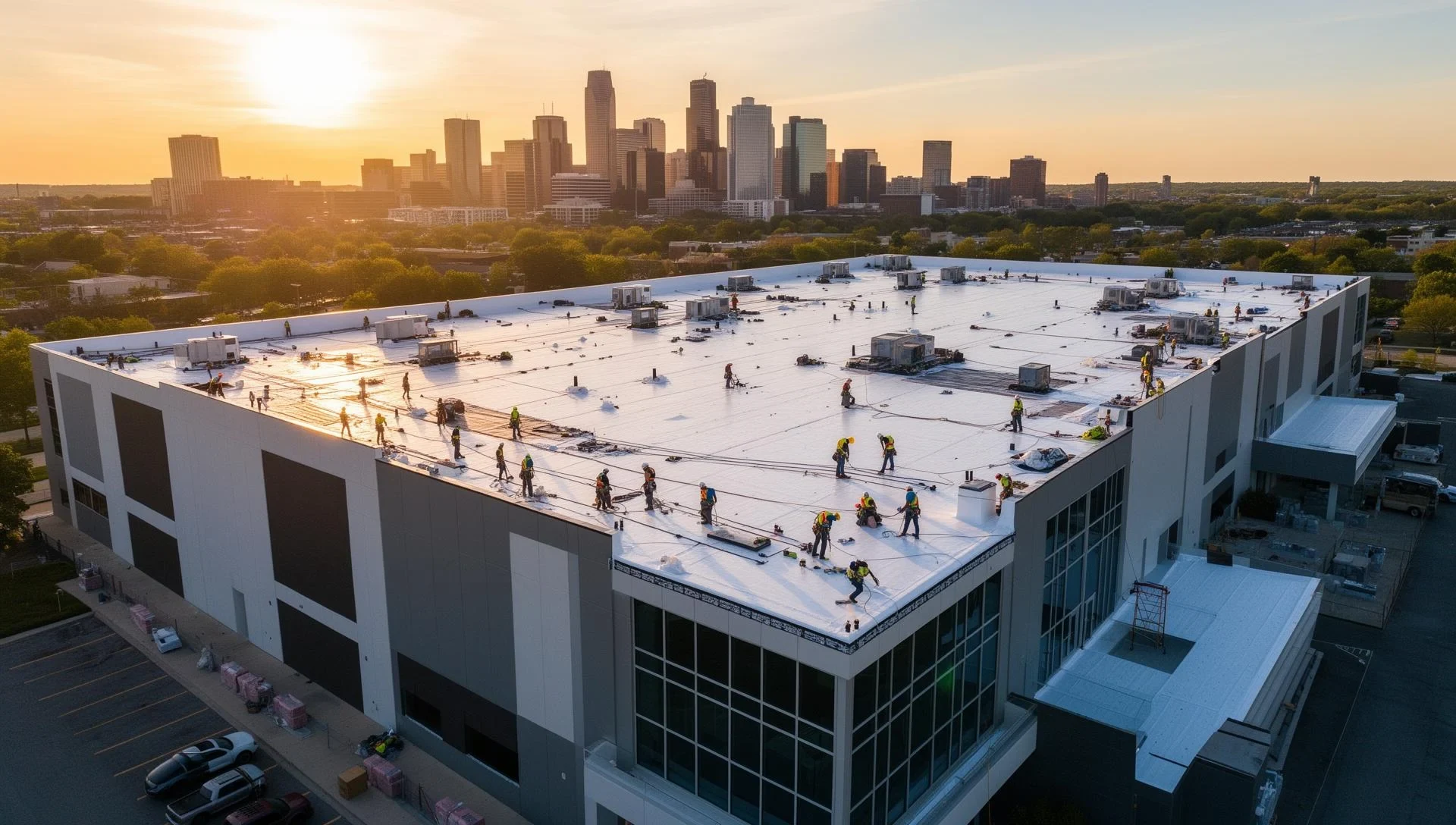
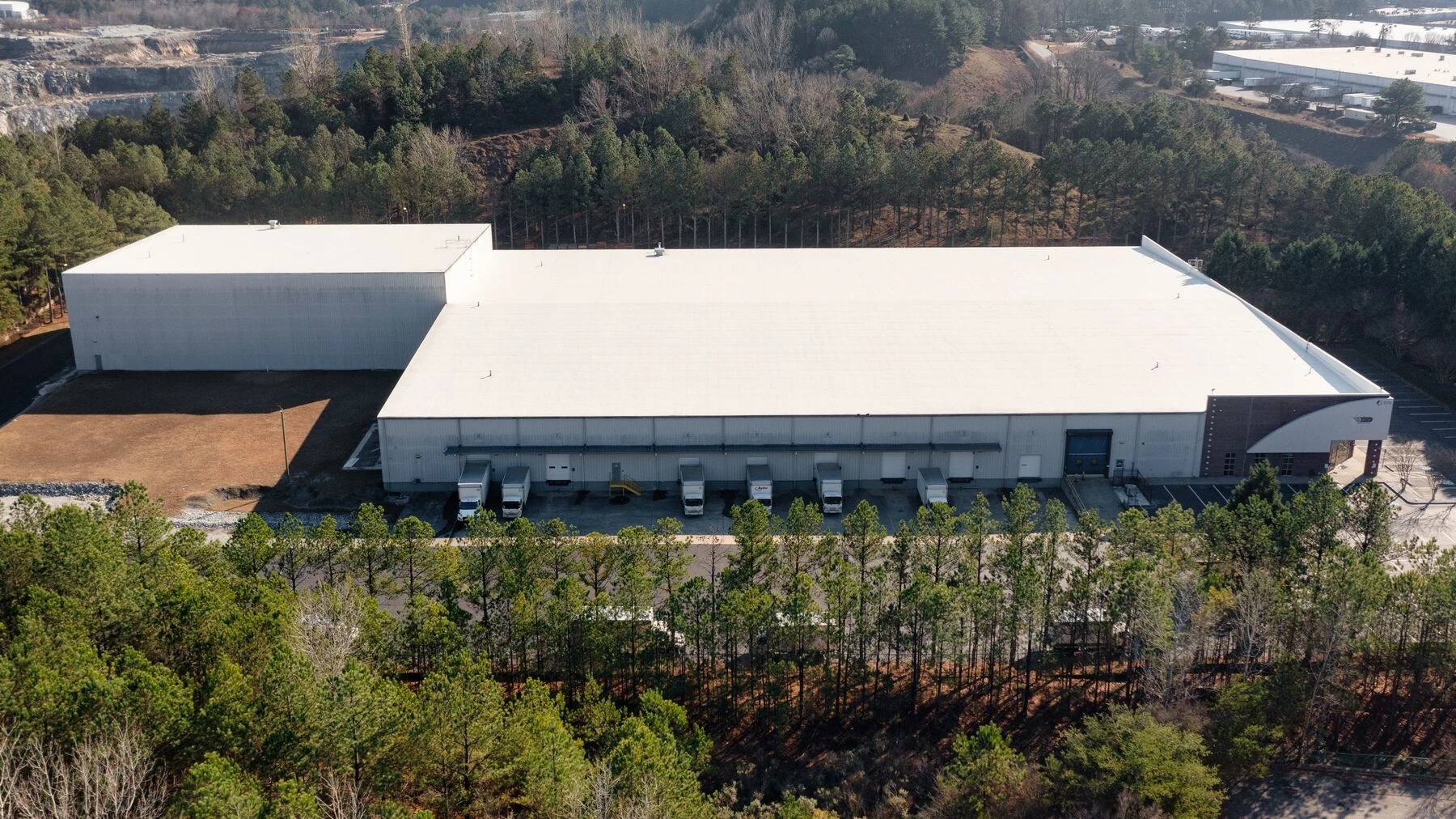
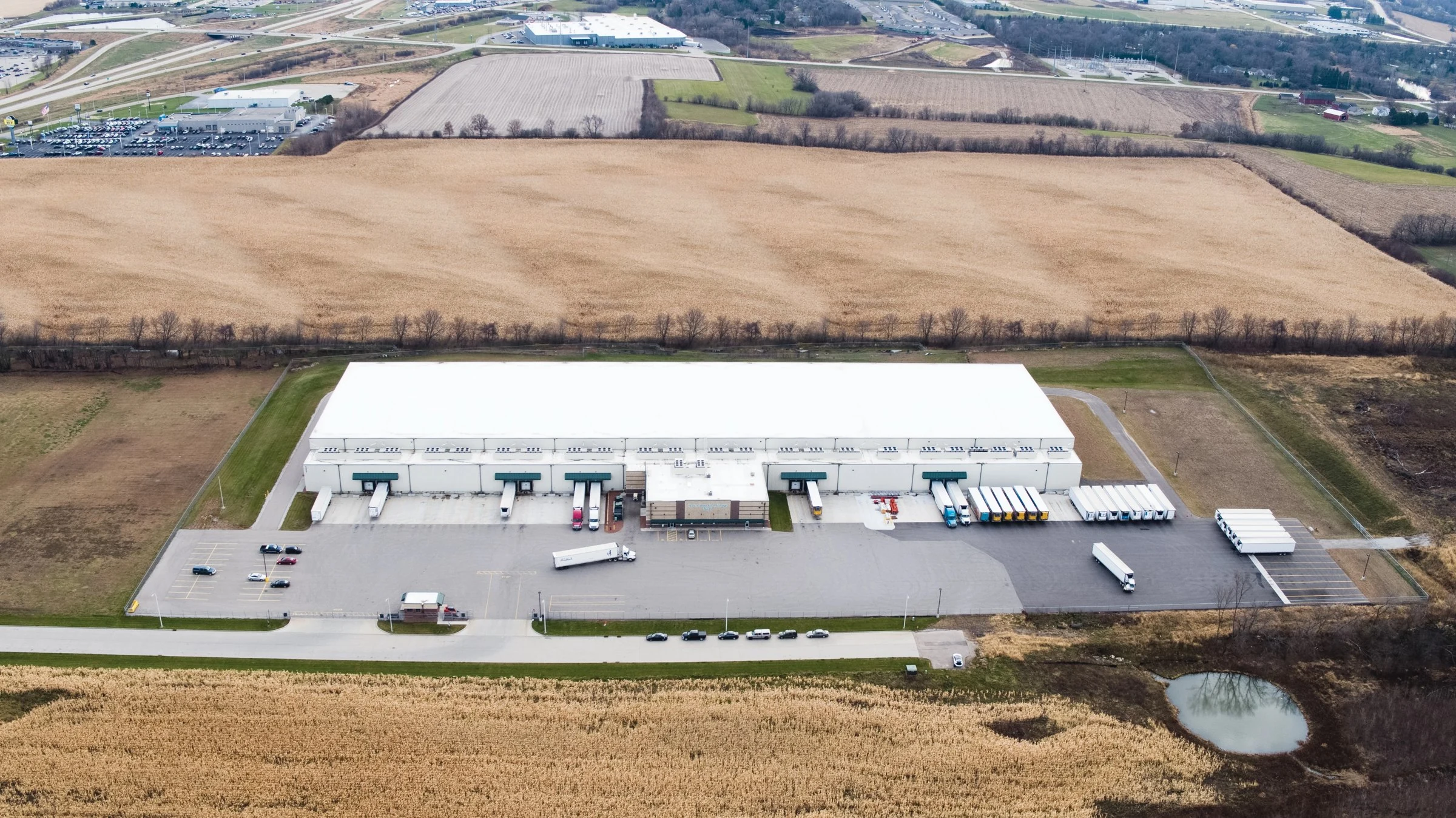
A distribution center is not a warehouse that happens to be busy. It is a machine with a roof on it, and the machine does not stop for roofers. We plan distribution center roof work in San Bernardino, Rialto, Moreno Valley, and Redlands around sort schedules, dock windows, and peak season, because that is the only way these projects actually get finished.
Peak Season Sets the Calendar, Not Us
From October through the end of December, most fulfillment operations from the Rialto Renaissance parks to the Amazon Air hub at San Bernardino International Airport run flat out. No facility manager wants open roof, crane picks, or tear-off debris anywhere near the building during those months.
So we work backward from peak. Full replacements get scheduled to close out by late September. Repairs and leak response still happen year-round, but anything that opens the roof in Q4 gets engineered as small, same-day-dry-in work. If your building is behind on roof condition heading into fall, the conversation needs to happen in spring.
Conveyors, Pick Modules, and What Sits Under the Deck
Inside a modern distribution building, multi-level pick modules and conveyor lines run directly beneath the deck. A leak that would be a mop-and-bucket problem in a storage shell can stop a sort line or soak product staged for outbound. That changes how we treat even small defects.
Before any deck cut, we walk the interior with your facilities lead and map what sits below each work zone. Sections over conveyors get scheduled during downtime or protected with catch systems. Sections over battery-charging areas get extra attention, because water and charging equipment is a bad combination nobody wants to explain.
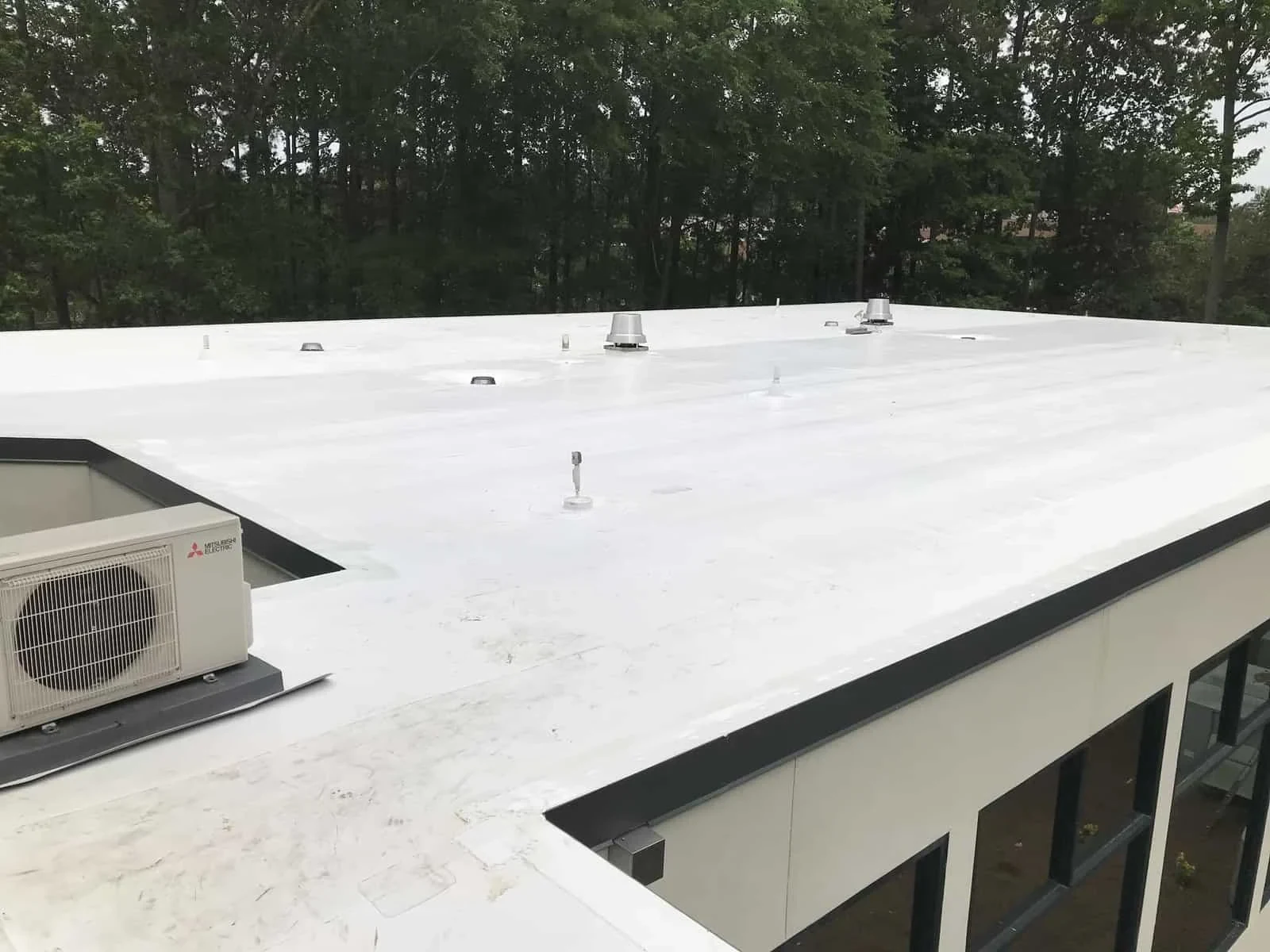
Penetrations are the other difference. Distribution buildings keep adding them: conveyor supports, camera masts, dock-fan curbs, controls conduit. Every one is a future leak if it was flashed by whoever installed the equipment instead of a roofer. We audit penetrations on every visit and fix the amateur ones before they open up.
What We Coordinate Before Mobilizing on a DC
These are the items we lock down with your operations team before the first truck rolls:
- Dock doors and trailer aprons that must stay clear each phase
- Crane pick locations and times, set against shift changes
- Air intake locations, so adhesive odors never enter the building
- Interior zones needing overhead protection or scheduled downtime
- Badging, safety orientation, and escort rules for our crew
- Emergency dry-in procedure if weather moves in mid-phase
Big Roofs, Big Water: Drainage on Mega-Boxes
The newer distribution buildings around Moreno Valley and Perris run past a million square feet. When a winter atmospheric river stalls over the valley, that roof has to move an enormous volume of water in a hurry. Primary drains, overflows, and crickets have to work as a system, and on a roof this size, a handful of clogged drains puts real structural load on the deck.
Dust is the local complication. High-desert wind carries fines that settle into drain bowls and gutter troughs all summer, then turn to mud with the first rain. We put every distribution roof we maintain on a drain-cleaning cycle timed to beat the first storms, usually late October. It is the cheapest work we do and it prevents the most expensive claims.
Ponding tells the rest of the story. Long-span decks deflect, insulation gets crushed along traffic paths to the RTUs, and low spots grow. We map standing water forty-eight hours after a rain and correct with tapered insulation where it matters instead of chasing puddles with patches.
Repair Response When a Line Is Down
When a distribution center calls with water over a sort line, the clock is different. We prioritize getting the area dry and the line running, then engineer the permanent fix. That usually means a same-day temporary seal, interior containment so operations can restart, and a scheduled return with the right materials for a permanent detail.
We document everything with photos and roof-plan markups, because most of these buildings are leased and the owner, the tenant, and sometimes an insurance adjuster all need the same clear record of what failed and what was done.
What Distribution Facility Managers Ask Us
Can you re-roof without shutting down our docks?
Yes, with phasing. We keep staging and crane work off the dock approaches you designate, and we sequence the roof so active shipping doors always have clear apron below. It adds planning time up front and saves weeks of friction later.
Our lease says the landlord owns the roof. Why call you?
Because you own the downtime. We inspect and document for tenants all the time, and a clean condition report with photos gives you what you need to push the landlord for action before peak season, not after the leak.
How fast can you respond to a leak over live operations?
Emergency calls in the San Bernardino and Rialto corridor get same-day response in most cases. The first visit stops the water and contains the area. The permanent repair follows once we know what is under the membrane.
Do reflective roofs actually cut costs on a conditioned DC?
On buildings with conditioned space or extensive cooling for staff areas, a white membrane in this climate reduces rooftop heat gain measurably. On a bare shell it matters less. We will tell you which case your building is, not sell you the shinier option by default.
Who handles the roof-mounted equipment during a replacement?
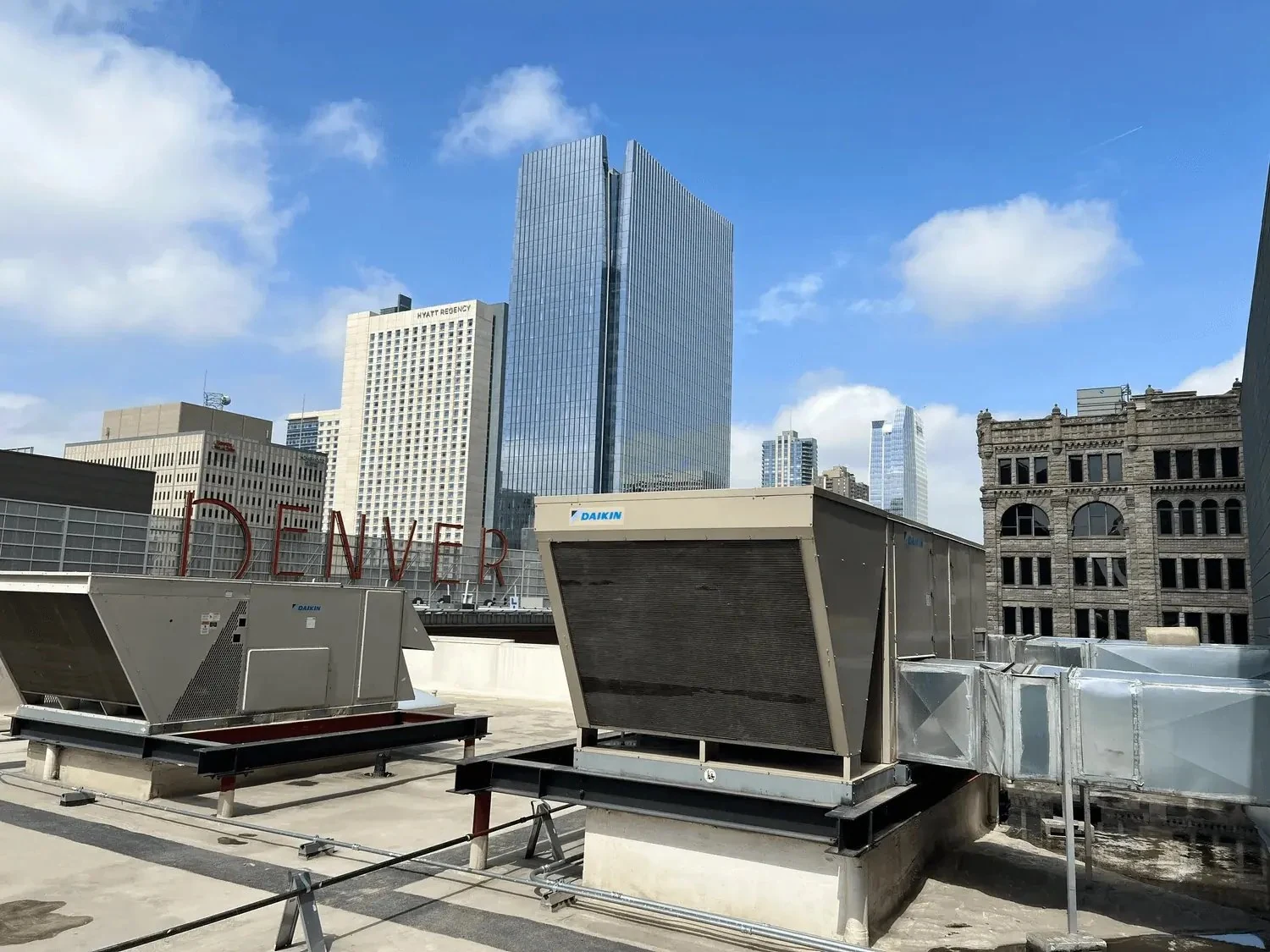
We coordinate the roofing side of every curb, raise low curbs to code height, and schedule with your HVAC and controls vendors so units are lifted, serviced, and reset in one sequence instead of three visits.