Big Box Store Roofs From Highland to the High Desert
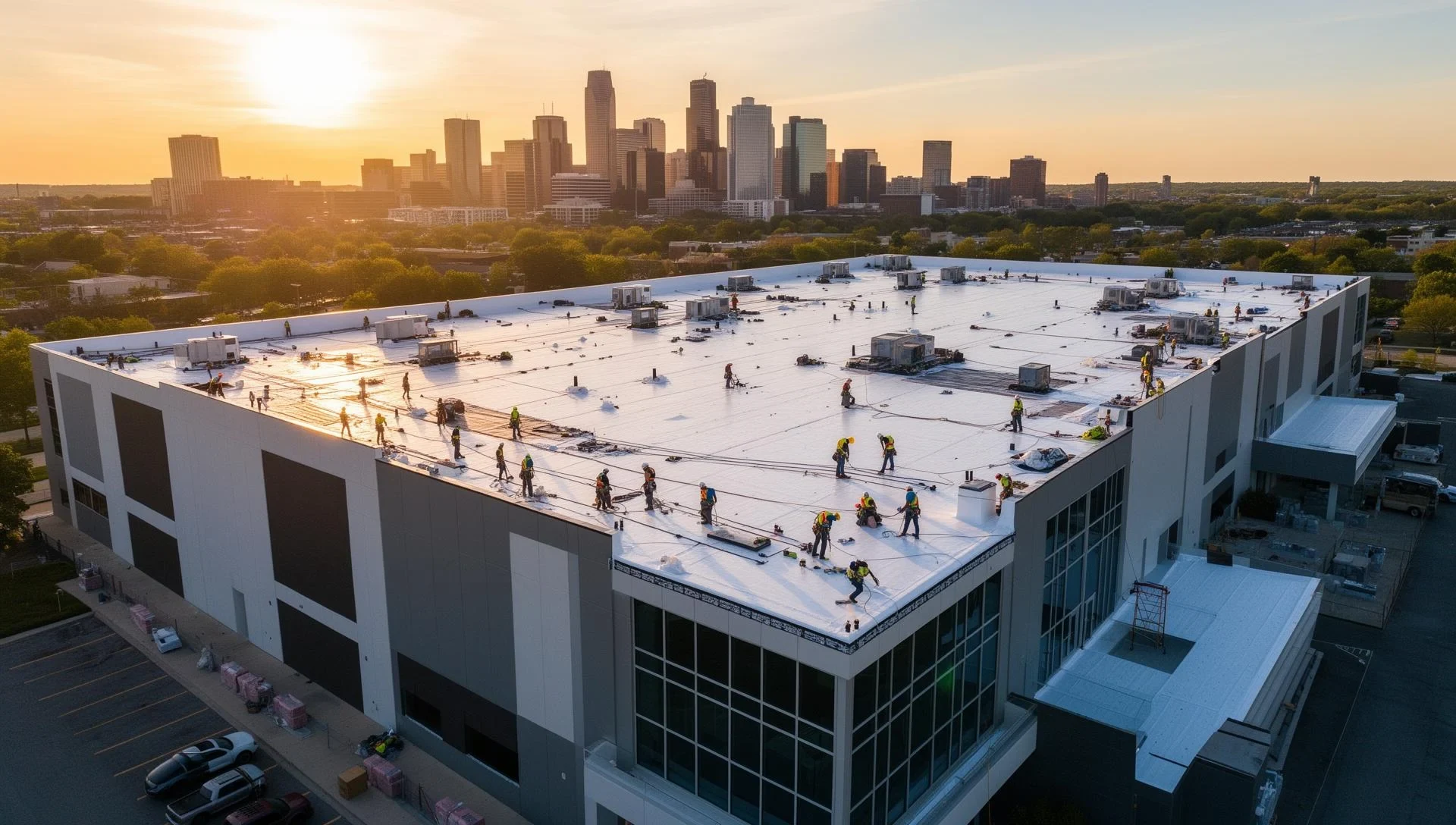
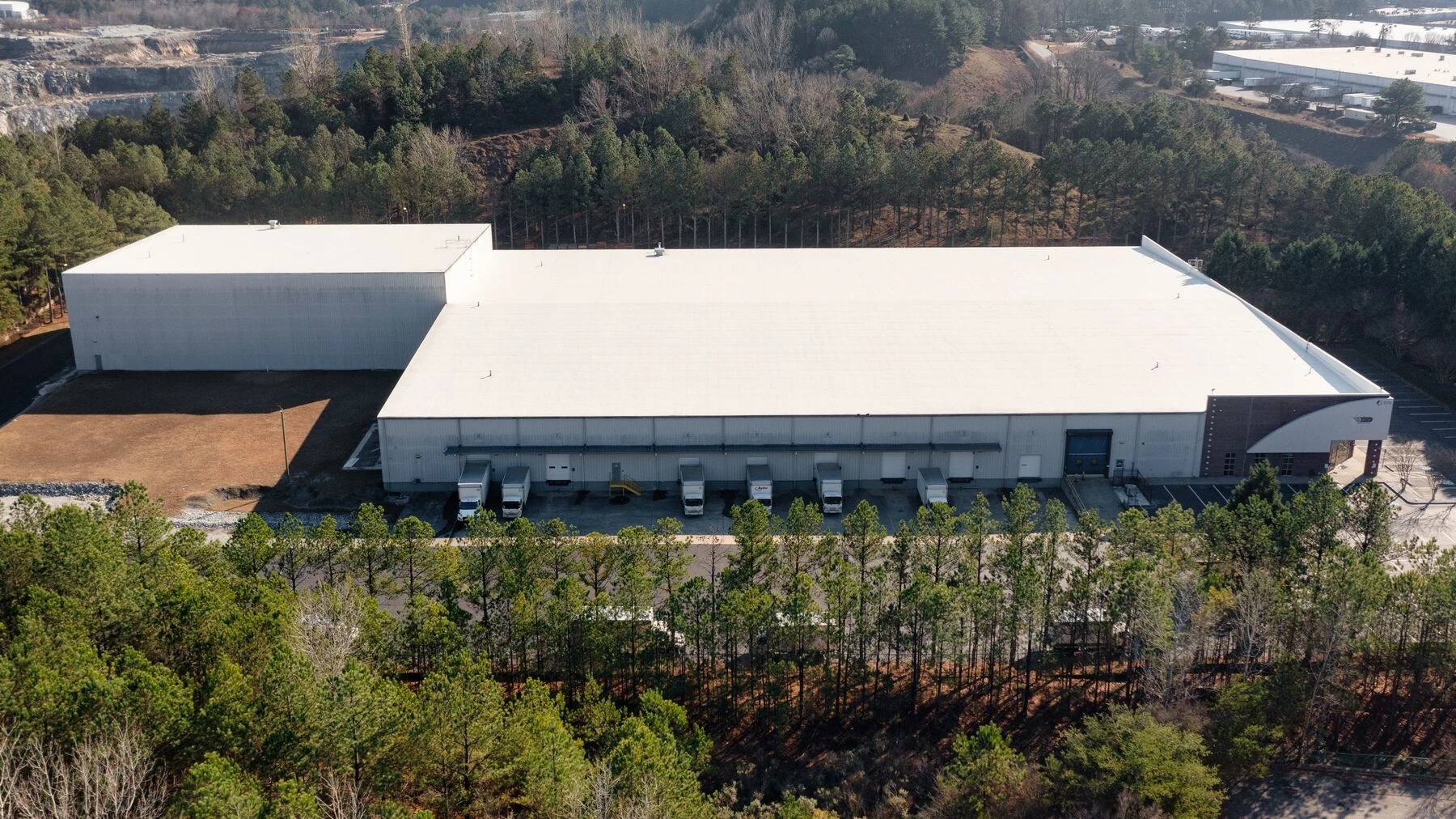
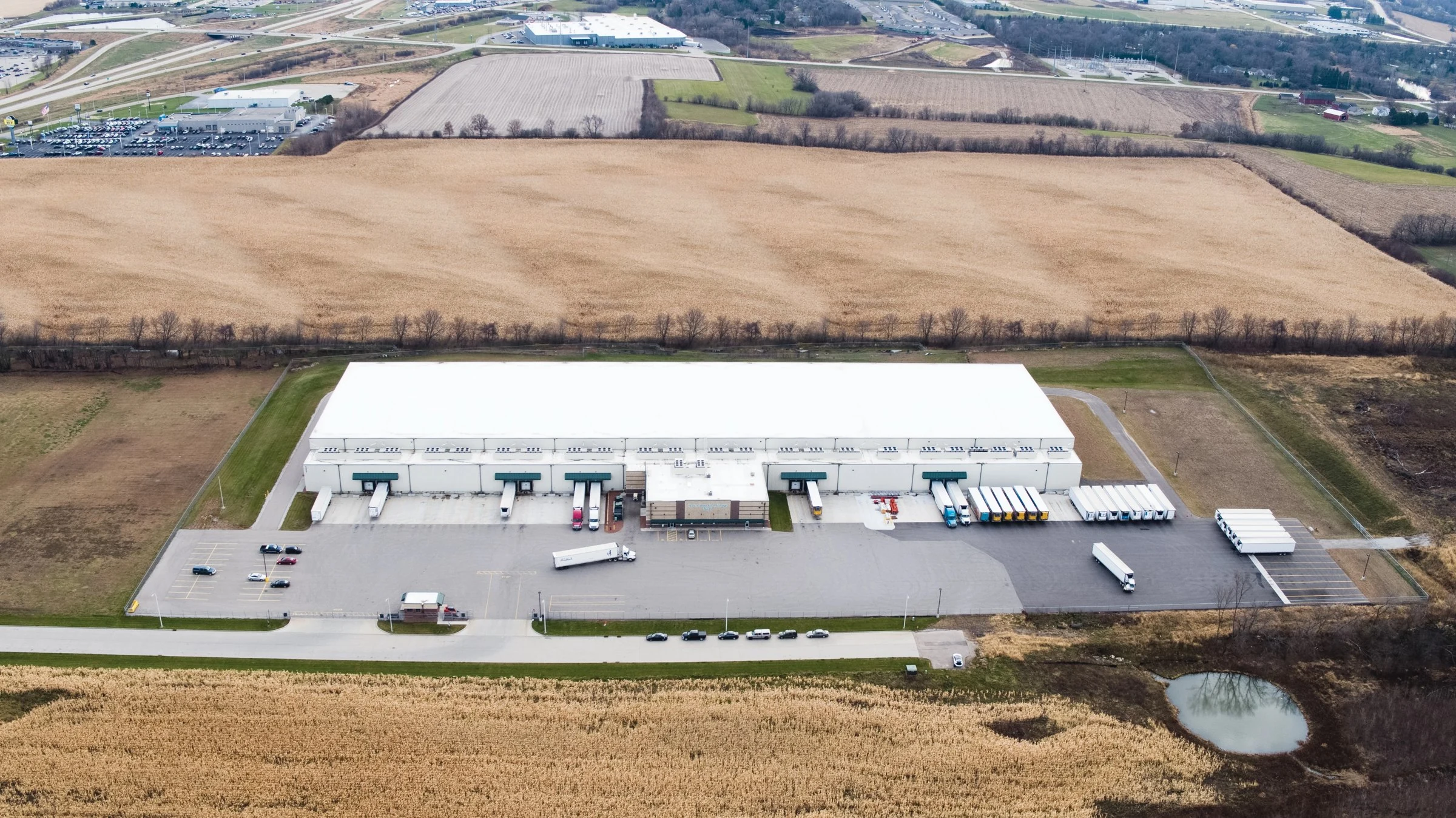
A big box store roof covers a hundred thousand square feet or more, carries a rooftop unit for every department below it, and sits over a sales floor that generally does not close for construction. We work these roofs across the Highland and Yucaipa retail corridors and out through Victorville and Hesperia, where big box anchors sit at the center of nearly every shopping center built in the last thirty years.
RTU Density Is the First Thing We Count
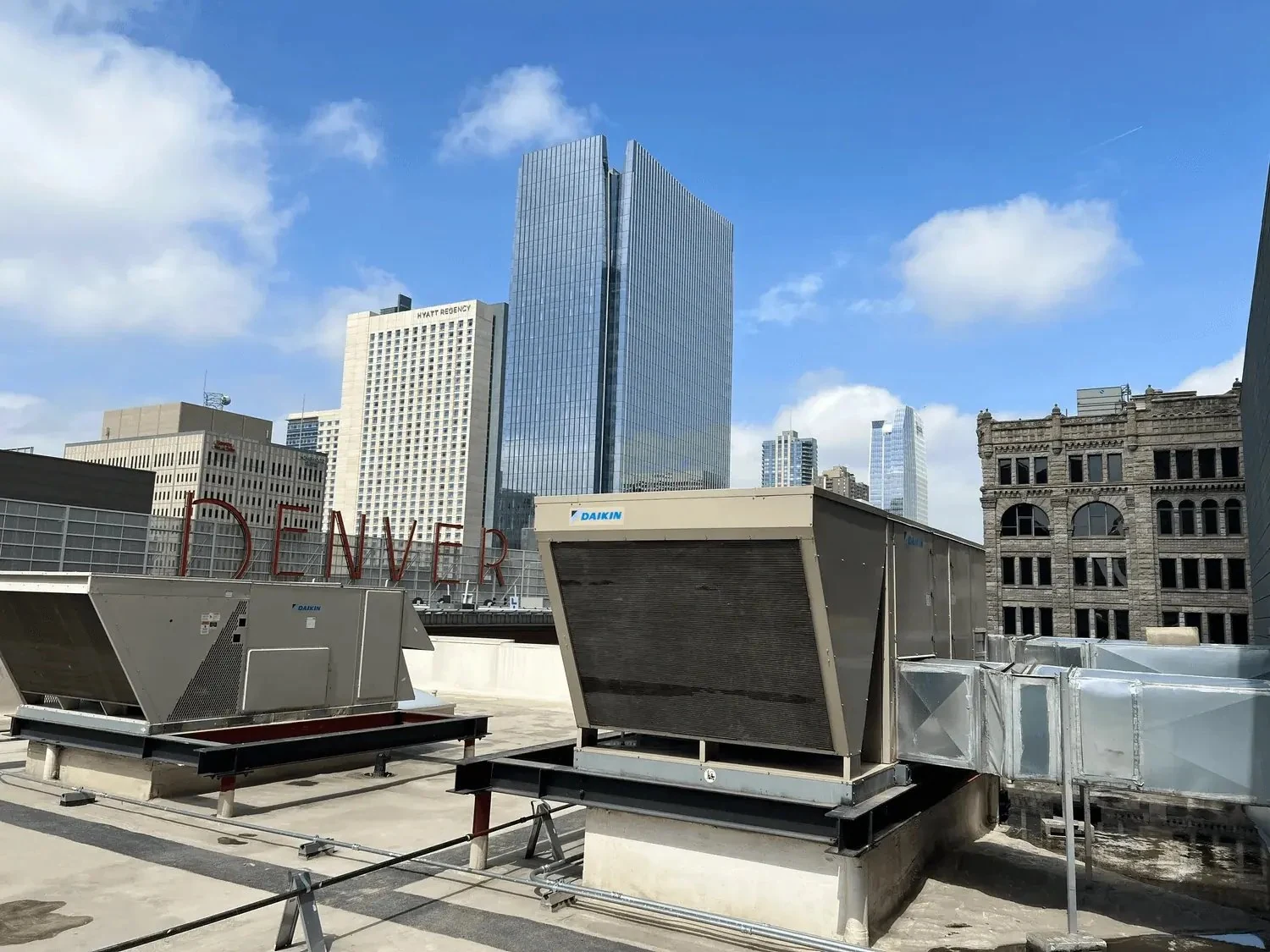
A grocery-anchored or general merchandise big box can carry twenty or more rooftop units feeding different zones: sales floor, garden center, pharmacy, receiving. Each unit sits on its own curb, and each curb ages at a different rate depending on how much service traffic it gets. Before we quote anything, we walk and count every unit and curb, because a roof with heavy RTU density needs a different fastening and flashing plan than open field membrane on a warehouse.
Old curbs from equipment swapped out years ago are common finds on these roofs. A store might have upgraded HVAC twice since the original roof went on, and each swap leaves old flashing behind that may or may not have been properly integrated. We flag every one of those during survey rather than assuming the visible curb count matches what is actually happening at deck level.
Parapet Walls and EIFS Take Their Own Damage
Big box buildings usually carry tall parapet walls finished in EIFS or stucco, built more for the street-facing storefront look than for roofing practicality. Coping caps on these parapets take direct sun and wind, and a failed cap joint lets water track down behind the finish system, showing up as a stain on the storefront long before anyone notices it on the roof.
We inspect parapet coping and wall terminations as a distinct item on every big box survey, separate from the field membrane, because a perfectly good roof membrane can still be feeding a leak straight through a bad coping joint twenty feet away from where the water shows up inside.
Old Built-Up Roofs Hiding Under Later TPO Overlays
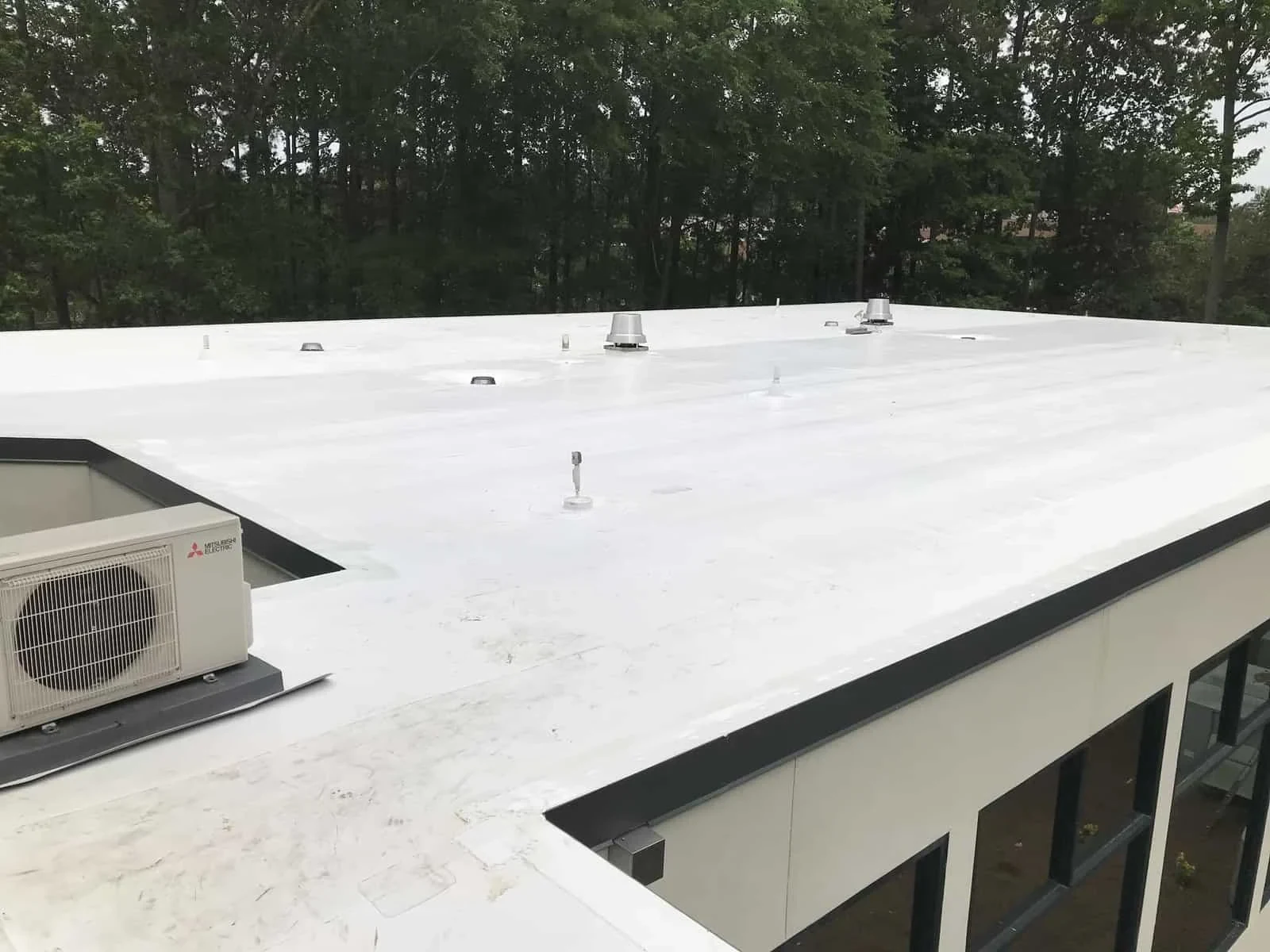
A fair number of the older big box buildings around Highland and downtown corridors started with built-up roofing in the nineties and picked up a TPO overlay at some point since. That transition point between systems is where we find the most trouble: incompatible adhesives, trapped moisture between layers, and flashing details that were never fully reworked for the newer membrane on top.
We core cut through these layered assemblies before recommending a path forward. A recover over a built-up roof that already has trapped moisture just adds a new layer of cost on top of a problem that needs to come out.
A standard big box roof survey from us includes:
- Full rooftop unit and curb count with age and flashing condition noted per unit
- Parapet coping and wall termination inspection separate from field membrane
- Core cuts through layered assemblies to check for trapped moisture
- Drain and scupper flow test across the full field, including low slope zones
- Skylight and smoke vent condition where present
- Loading dock and receiving area canopy roof condition
- Photo-documented roof plan the owner can use for budget planning
Reroofing a Store That Stays Open
Almost no big box retailer wants to close for a roof project, and most cannot from a lease or corporate operations standpoint. We phase these jobs to keep the sales floor dry and functioning the entire time, staging material away from customer parking and entrances, and scheduling loud tear-off work for early morning hours before the store opens where the property allows it.
Interior protection matters as much as the roof work itself on an occupied retail floor. Merchandise, especially anything moisture-sensitive, gets covered section by section as we open deck above it, and we coordinate directly with store management on which departments need protection first.
Weather Windows in the High Desert
Stores out toward Victorville and Hesperia deal with a different weather pattern than the valley floor: bigger daily temperature swings, occasional winter snow at elevation, and wind events that come through the Cajon Pass corridor with real force. We plan tear-off sections and dry-in schedules around those swings more conservatively out there than we would on a Highland or Yucaipa job closer to the valley.
Big Box Roofing, Common Questions
Can you replace our roof without closing the store?
In almost every case, yes. We phase the work section by section, protect merchandise below open areas, and schedule the loudest work around your operating hours wherever possible.
How many rooftop units does a typical big box roof carry?
It varies by store size and department mix, but twenty or more is common on a full-size general merchandise or grocery-anchored store. We count and condition-rate every one before quoting.
Our roof has an old built-up layer under a newer overlay. Does that matter?
Yes. That transition point is where we find the most hidden moisture and flashing problems, and we always core cut through it before recommending recover versus tear-off.
Do parapet walls really affect roof leaks?
Often, yes. A failed coping joint on the parapet can send water down behind the storefront finish and show up as an interior stain nowhere near the actual roof membrane problem.
Does the high desert climate change how you approach these roofs?
Yes. Bigger temperature swings and stronger wind events out toward Victorville and Hesperia mean more conservative phasing and tighter attention to edge metal and coping attachment.