Grocery Anchor Roofs From Highland to Uptown Yucaipa
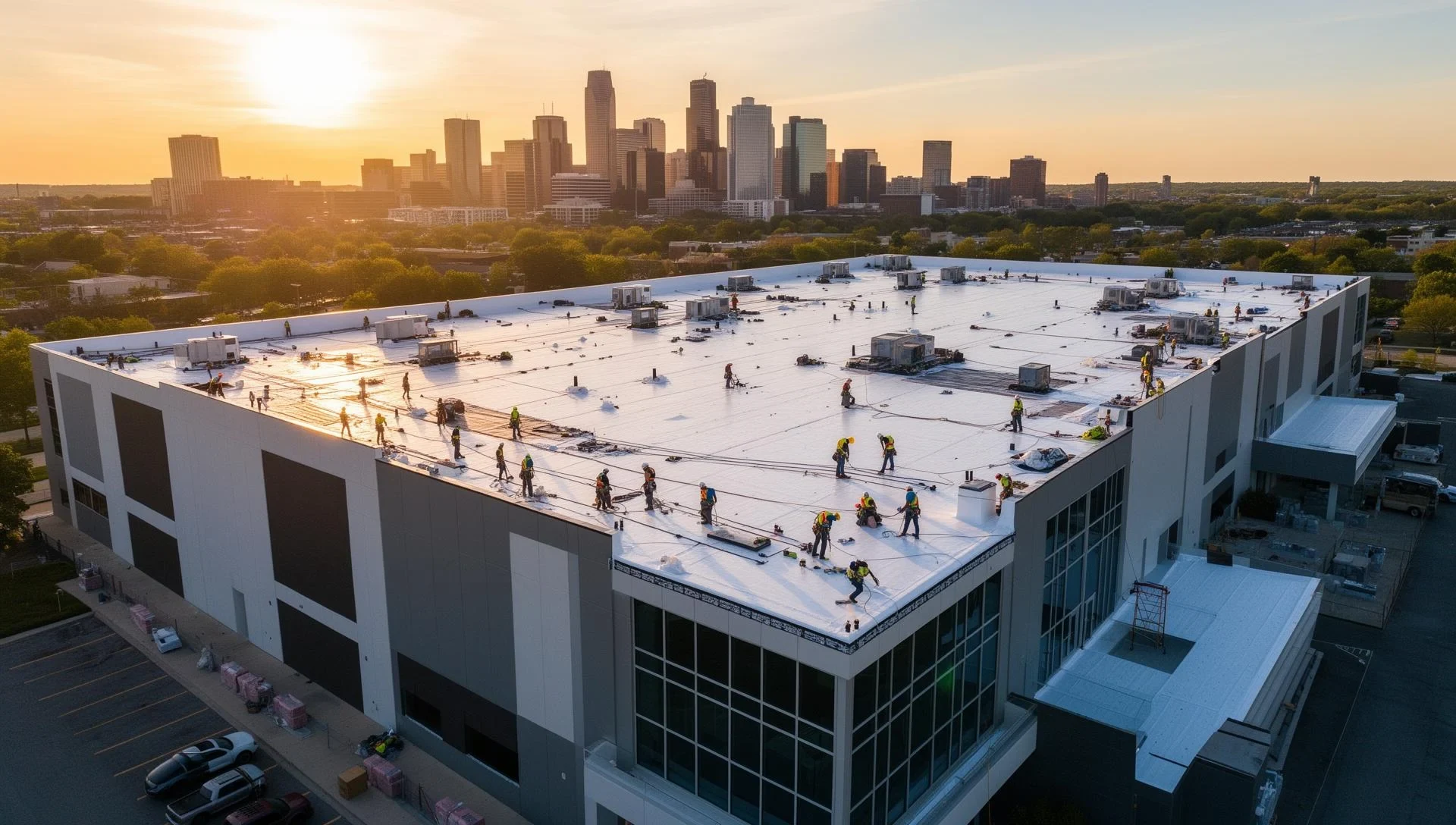
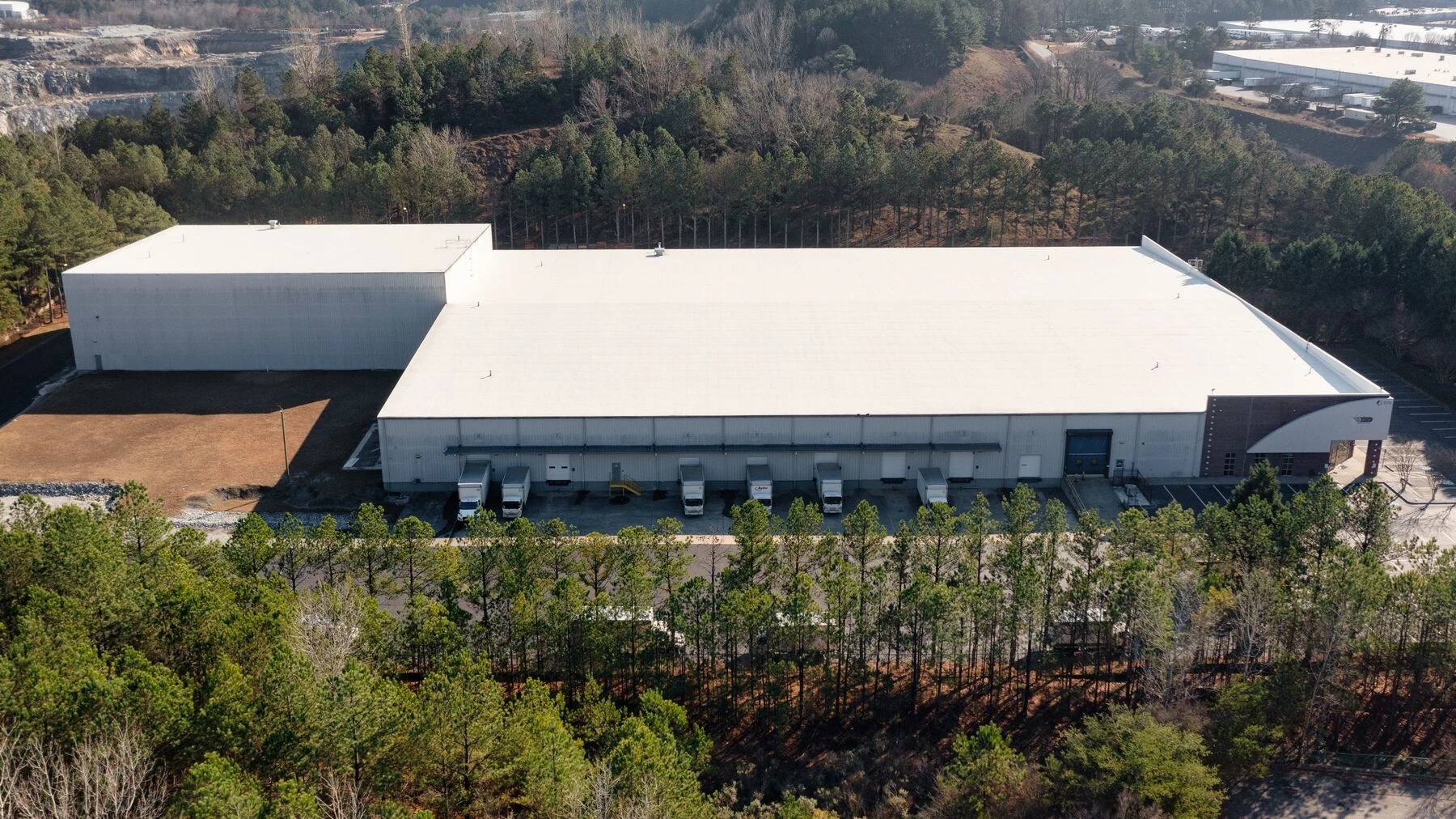
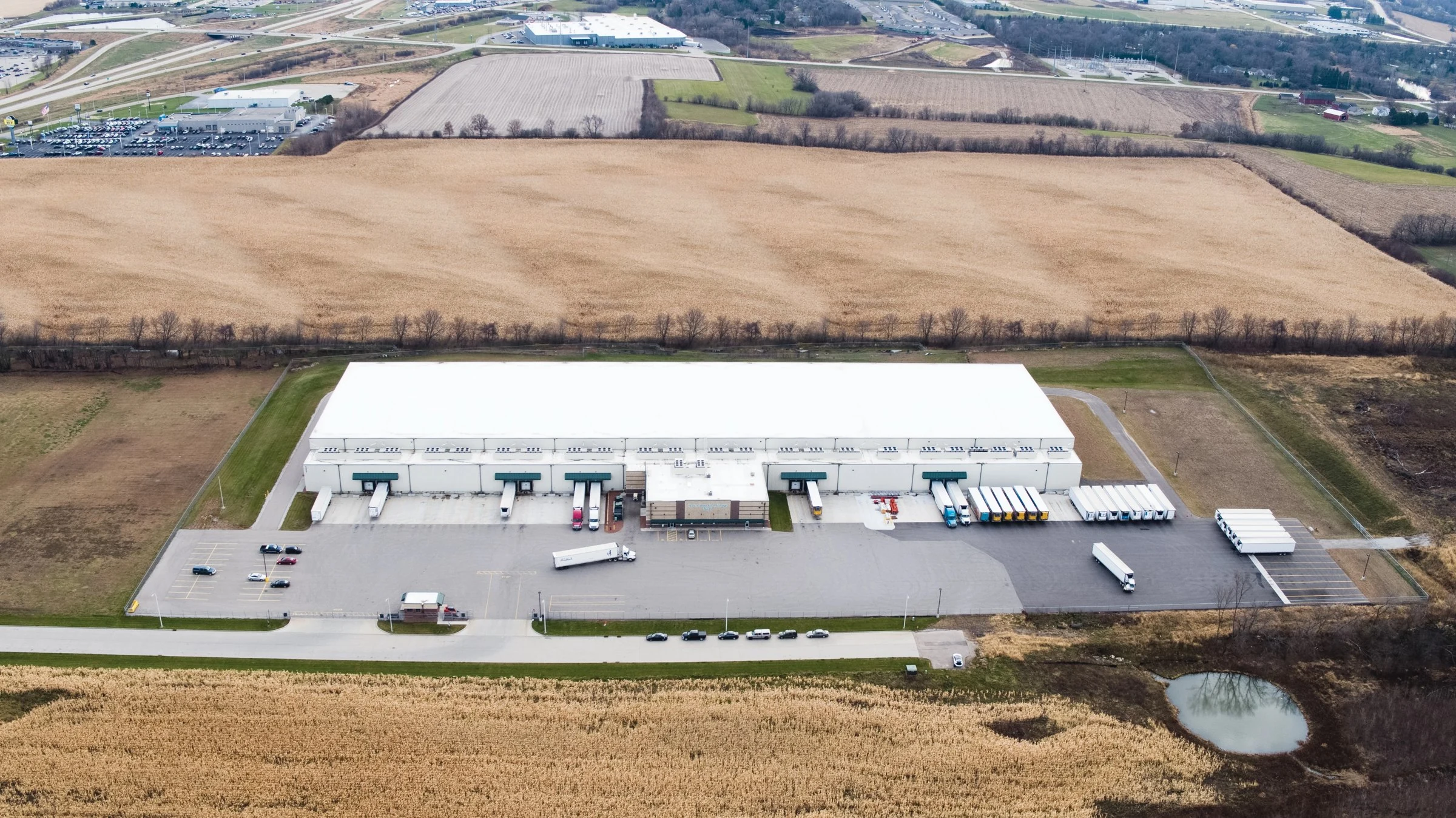
A grocery store roof does more work than most people realize, carrying refrigeration condensers, exhaust systems, and rooftop units all bolted to the same field that keeps produce, meat, and frozen sections dry below. We repair and replace grocery-anchor roofs across the Highland and Yucaipa retail corridors, where a supermarket usually sits at the center of the whole shopping center.
Refrigeration Condensers Change Everything About the Layout
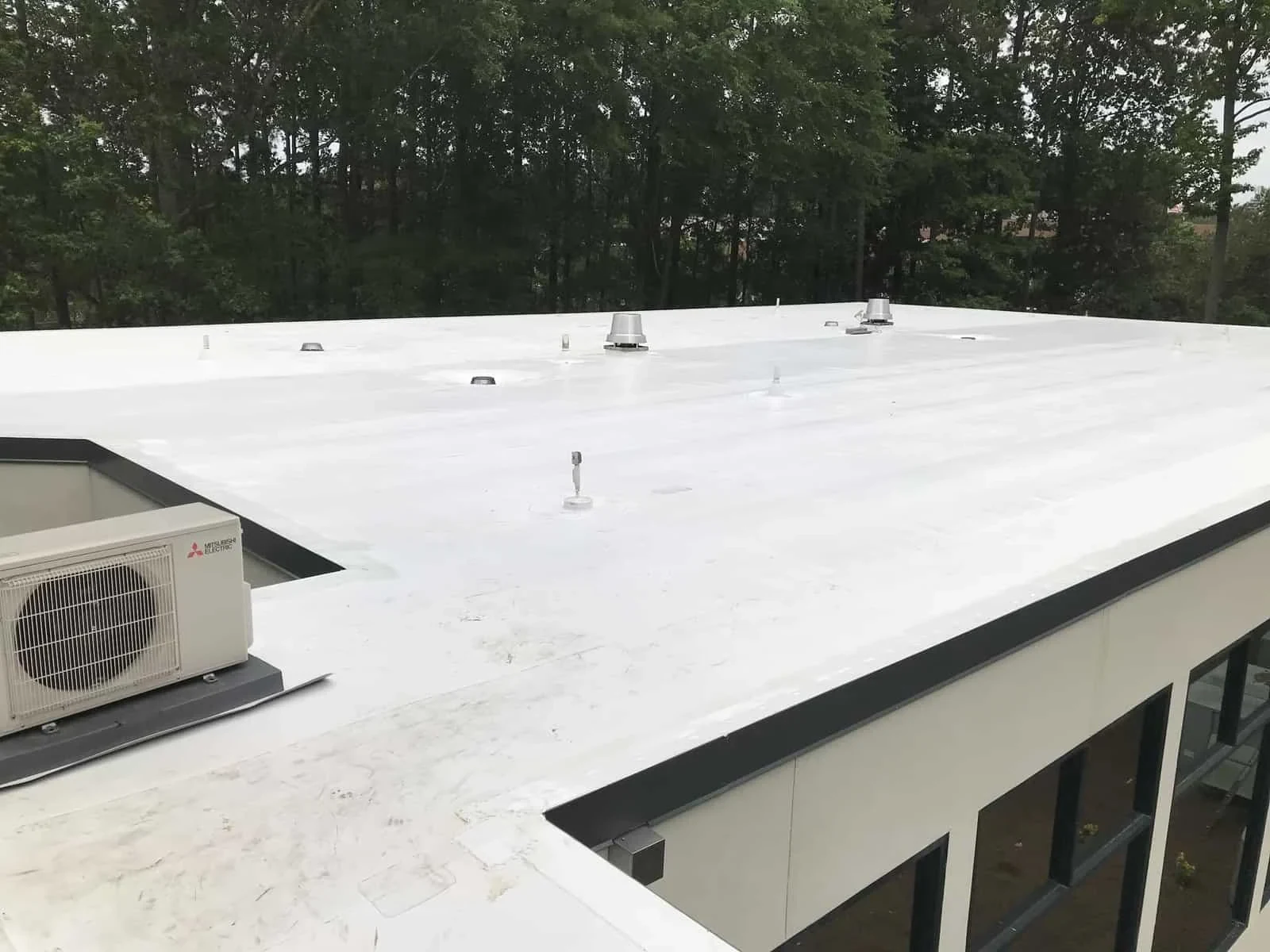
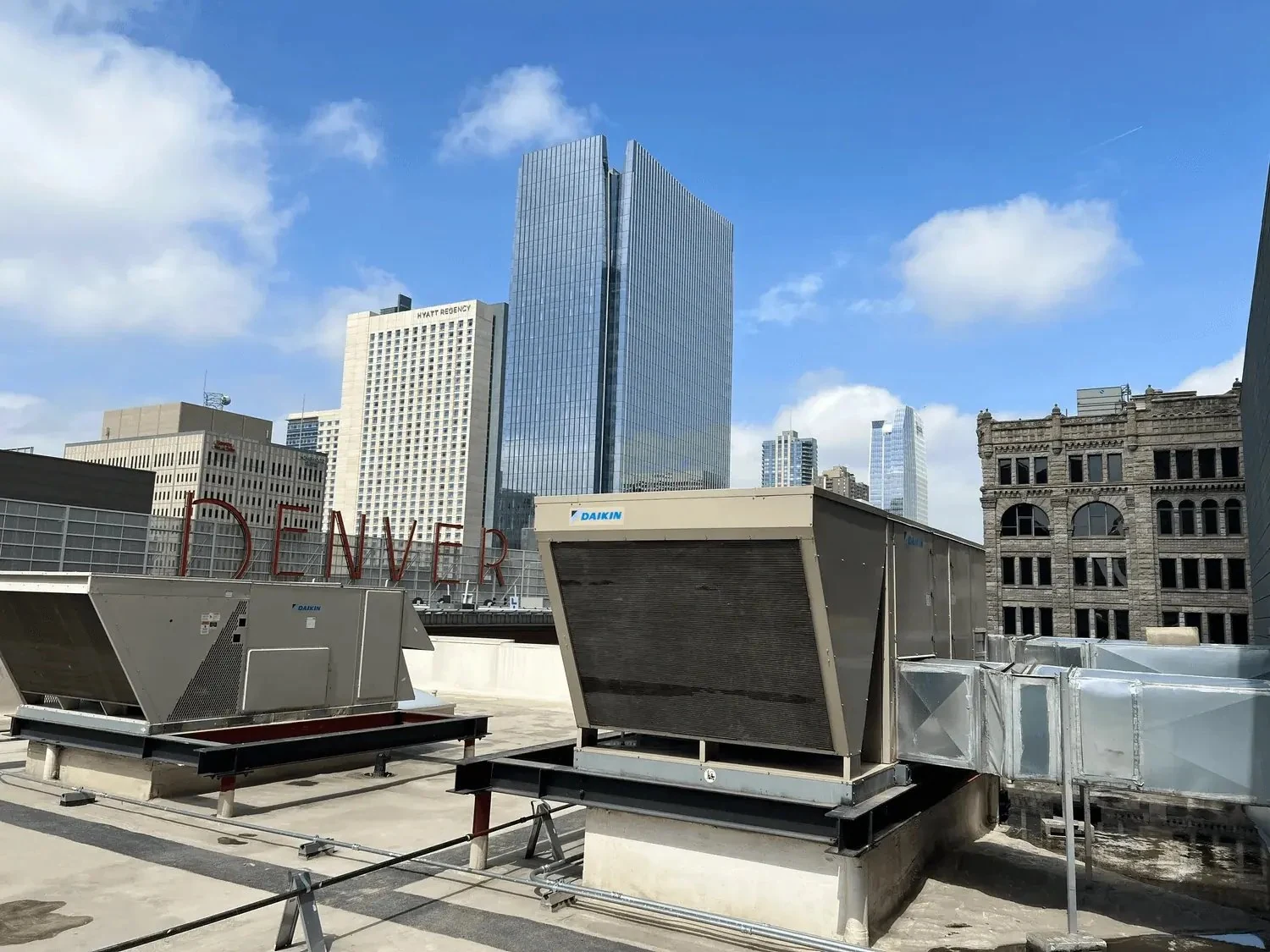
Nearly every grocery store roof carries a bank of remote condensing units feeding the walk-in coolers, freezer cases, and open dairy and produce cases inside. Those units run constantly, generate real heat and vibration right at the curb, and need service access far more often than a standard HVAC unit does.
We map condenser locations and walk pad routes before touching anything else on a grocery roof survey. A tech walking to a condenser three times a week wears a path into unprotected membrane fast, and refrigerant line penetrations at each unit need checking on a shorter cycle than the rest of the field.
Grease and Bakery Exhaust Take Their Own Toll
Most grocery stores run an in-house bakery or deli, and the exhaust from that operation settles on nearby membrane the same way any grease-laden air does. Over time that residue breaks down membrane surface and coating faster than plain weather exposure, especially right around the exhaust fan curb itself.
We treat exhaust fan zones as a distinct inspection item, checking for grease buildup and membrane softening separately from the rest of the roof, and we recommend grease-resistant flashing or coating specifically in those areas rather than a generic field spec.
A Leak Over the Sales Floor Is Not Optional to Fix Fast
Water dripping over a grocery aisle is a slip hazard and a health code problem first, and a maintenance nuisance a distant second. When a grocery client calls about an active leak, we prioritize a same-visit diagnosis over other scheduled work, because a wet floor sign next to the dairy case is not a situation a store manager can leave open for a week while waiting on a full inspection.
We also flag any leak tracking toward electrical panels or refrigeration controls immediately, since those systems failing mid-shift cost a grocery operator far more than the roof repair itself in spoiled product.
A dairy or frozen section running warm for even a few hours because a control panel got wet is a bigger loss than most roof repairs cost outright, and we treat any water near those panels as an emergency call rather than something to schedule for the following week.
A typical grocery store roof survey covers:
- Refrigeration condenser curb and refrigerant line inspection
- Walk pad condition on service routes to condensers and rooftop units
- Bakery and deli exhaust fan zone check for grease buildup and membrane wear
- Drain and scupper flow test, since grocery roofs often carry heavy condenser loads that need clear drainage
- Skylight condition where daylighting panels sit over the sales floor
- Loading dock and receiving canopy roof inspection
- Priority flagging for any active leak tracking toward electrical or refrigeration controls
Working While the Store Stays Open
Grocery stores do not close for roof work, and most run near-continuous receiving schedules to keep perishable sections stocked. We schedule tear-off and the loudest phases of a reroof for overnight or early morning hours before doors open, and we keep interior protection over sensitive sections like the bakery, deli case, and produce department any time deck is open above them.
Refrigeration technicians and roofing crews often need to be on the same roof at the same time during a project, since condenser work and roof work overlap constantly on these buildings. We coordinate directly with the store's refrigeration contractor on sequencing so neither crew damages the other's work.
Overnight stocking crews also move through receiving areas while we work, and we keep dock doors and staging paths clear on request so restocking never has to wait on our schedule.
Older Grocery Buildings Built Before Modern Condenser Loads
Some of the older grocery buildings around this market were built with a fraction of the rooftop refrigeration equipment they carry today, added over decades as store formats changed and case counts grew. That means structural loading and curb attachment on these older roofs sometimes needs a second look before adding more equipment, a building question we flag for the owner's engineer well beyond a simple roofing question.
Grocery Roofing Questions From Store Operators
Can you fix a leak over the sales floor without closing that section?
In most cases yes, especially for an active leak. We prioritize same-visit diagnosis and often stabilize the area quickly while planning the full repair.
Do refrigeration condensers really wear out the roof faster?
Yes, mainly through service foot traffic and heat at the curb. We build walk pads and inspection cycles around actual condenser locations rather than a generic field plan.
How do you handle grease from our bakery or deli exhaust?
We inspect those zones separately and typically recommend grease-resistant flashing or coating right at the exhaust fan curb rather than treating it like the rest of the field.
Can roofing and refrigeration technicians work on the roof at the same time?
Yes, and we coordinate directly with your refrigeration contractor on sequencing so both crews get their work done without damaging what the other just finished.
Our store has added a lot of refrigeration equipment over the years. Should we be concerned?
Possibly, if the roof structure was not designed for the current equipment load. We flag that for an owner's engineer to review rather than guessing on structural capacity ourselves.