80-Mil TPO: The Heavy Spec for Roofs That Take Abuse
Eighty-mil TPO is the same chemistry as the 60-mil sheet covering most of the Inland Empire, with one difference that matters: a third more material, most of it stacked above the reinforcing scrim. On the right building that extra thickness buys a decade of service life and a longer warranty. On the wrong building it's money the owner didn't need to spend. Here's how we sort that out.
Thickness Over Scrim Is the Real Number
An 80-mil TPO sheet runs about 2 millimeters total, but the figure we care about is the weathering layer above the polyester scrim. On a good 80-mil membrane that's in the range of 30 to 34 mils, versus roughly 21 to 24 on a 60-mil sheet. That top layer is the sacrificial part. UV, heat cycling, foot traffic, and hail all eat it from above, and once it wears through to scrim the membrane is done.
San Bernardino sits in one of the harshest UV environments in the country. Clear skies most of the year, high summer sun, and rooftop temperatures that swing 60 degrees between a summer dawn and mid-afternoon. Thicker weathering layer means more years before that exposure matters.
The extra mass also changes how the sheet handles impact and abrasion. Dropped hand tools, screws underfoot, gravel tracked up a ladder, hail at the mountain elevations above Highland, an 80-mil sheet shrugs off contact that will puncture or bruise a thinner membrane.
The Buildings Where We Spec It
Rooftop solar is the biggest driver right now. Warehouse owners along the I-10 and I-215 corridors are signing solar leases, and a solar array means racking, ballast blocks, conduit runs, and electricians walking the roof for the next 25 years. Re-roofing under an existing array is brutally expensive, so the membrane under solar needs to outlast the array. That's an 80-mil job every time, usually with slip sheets and extra walkway pad.
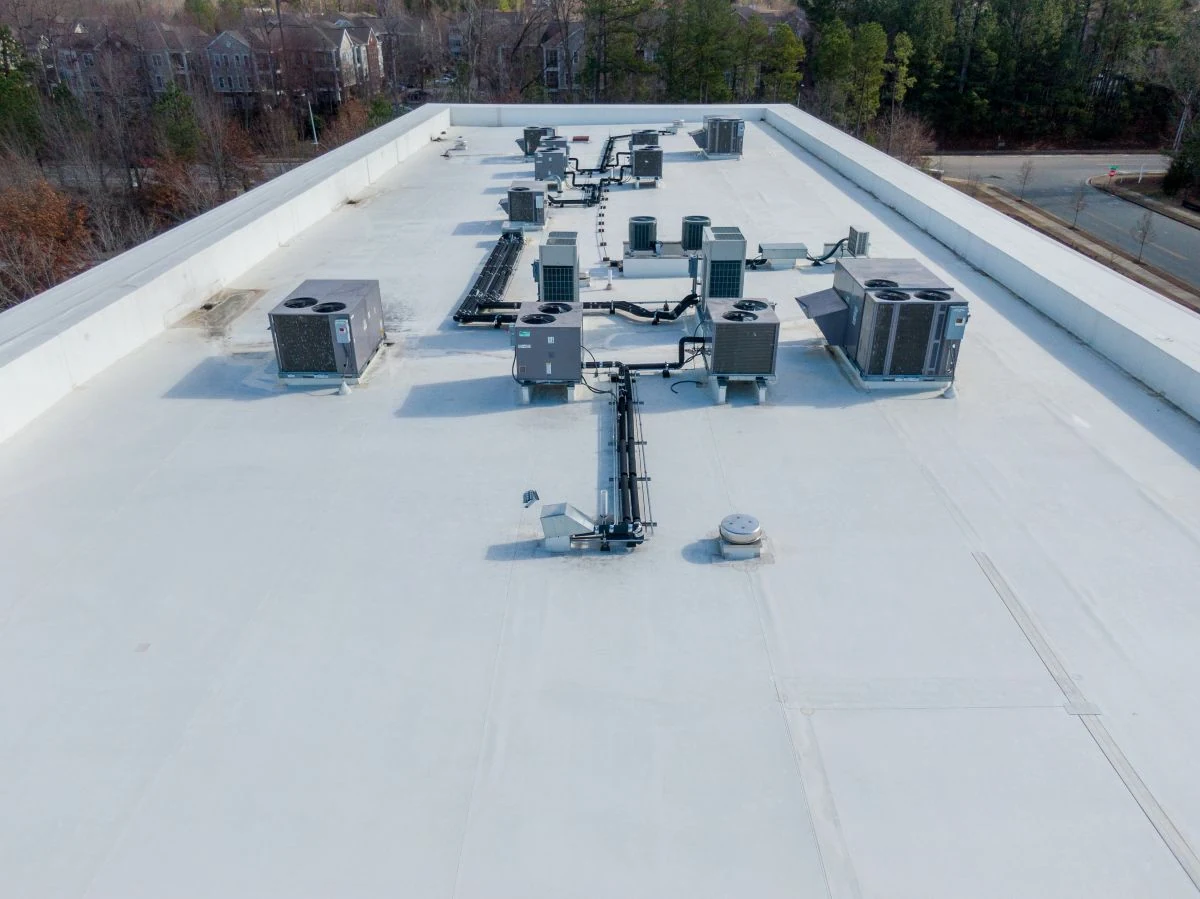
Cold storage and food distribution buildings around Colton and Rialto are the second group. Those roofs carry dense mechanical equipment, and refrigeration techs are up there constantly. High service traffic is exactly what the thicker weathering layer is for.
The third group is long-hold owners: municipal buildings, medical office buildings near Loma Linda, school districts, and family-owned industrial buildings that aren't trading in five years. If you're going to own the roof for its whole life, the cost difference between 60 and 80 mil, spread over the extra years of service, usually favors the heavier sheet.
Warranty Terms Follow Membrane Thickness
Manufacturer warranty programs are tiered by thickness, and 80-mil is where the long terms live. The structure looks like this across the major TPO makers:
- 60-mil membrane: typically 15 to 20 year system warranties
- 80-mil membrane: 25 year terms become available, 30 with some assemblies
- Longer terms usually require a cover board over the insulation
- Adhered or induction-welded attachment is often required at the top tiers
- Details and flashings get inspected by the manufacturer before the warranty issues
Owners chasing a 25 or 30 year no-dollar-limit warranty should know it's a package deal. The thicker sheet alone doesn't get you there; the assembly underneath it and the quality of the details have to meet the program requirements too. We price the full assembly so there are no surprises at the warranty inspection.
Installation Notes From the Field
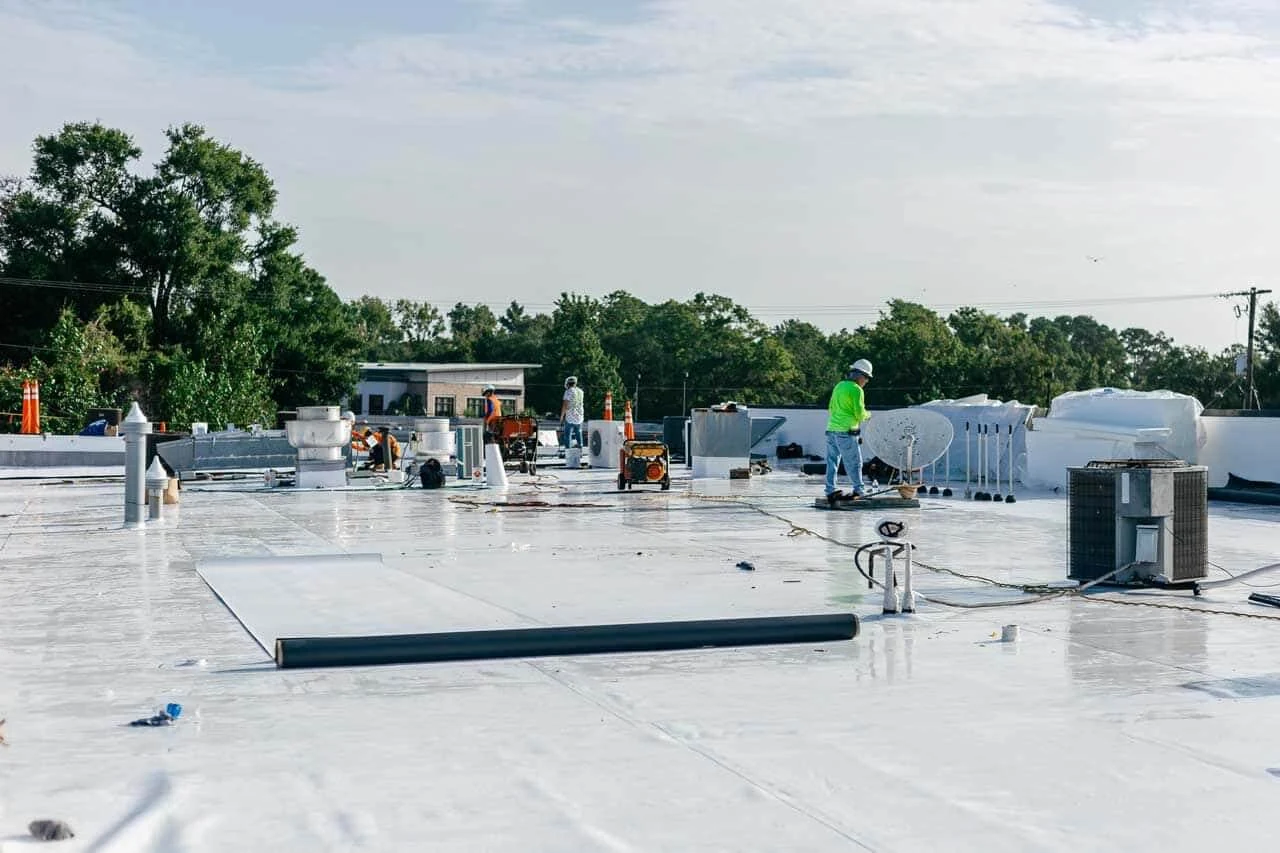
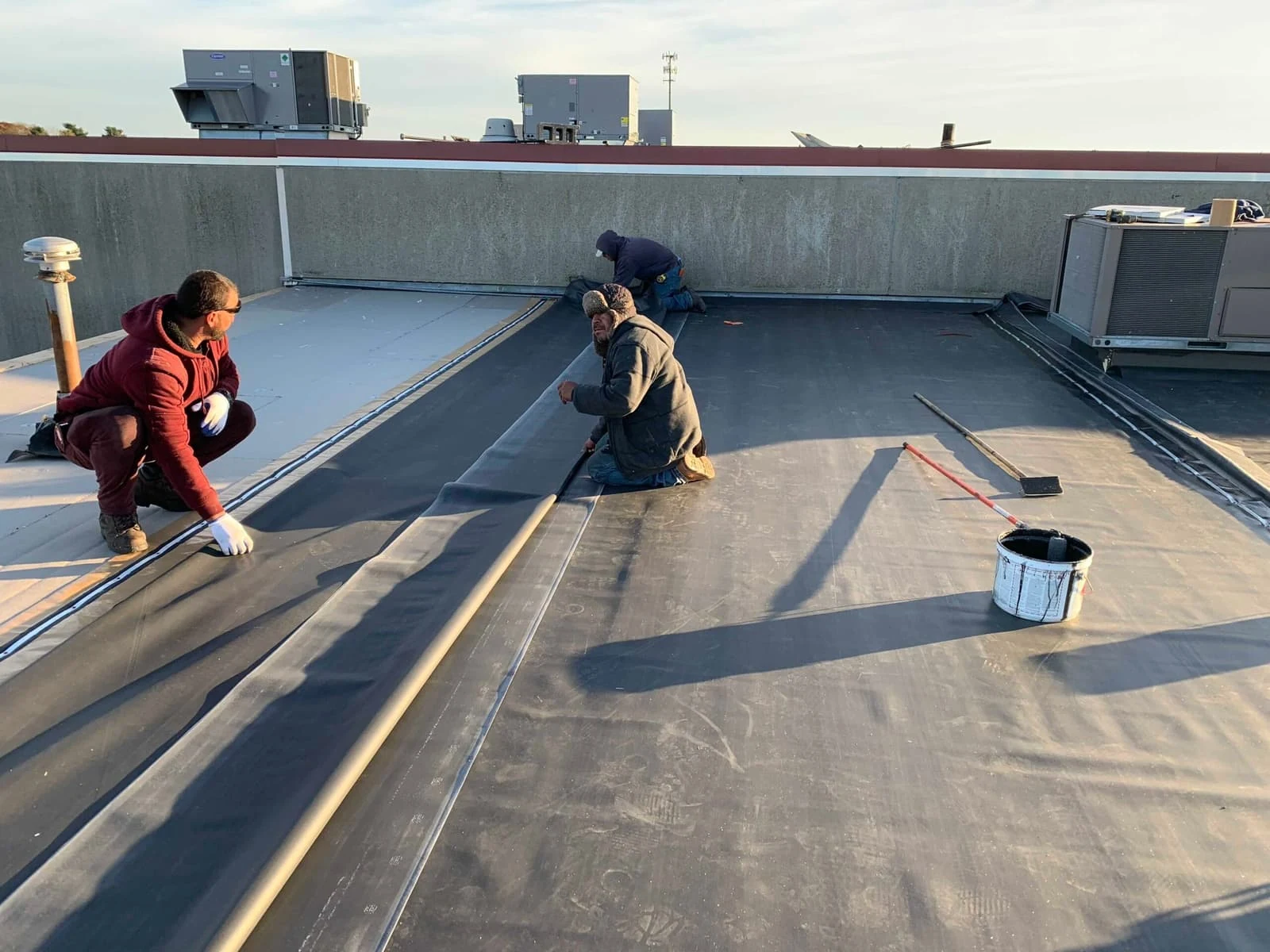
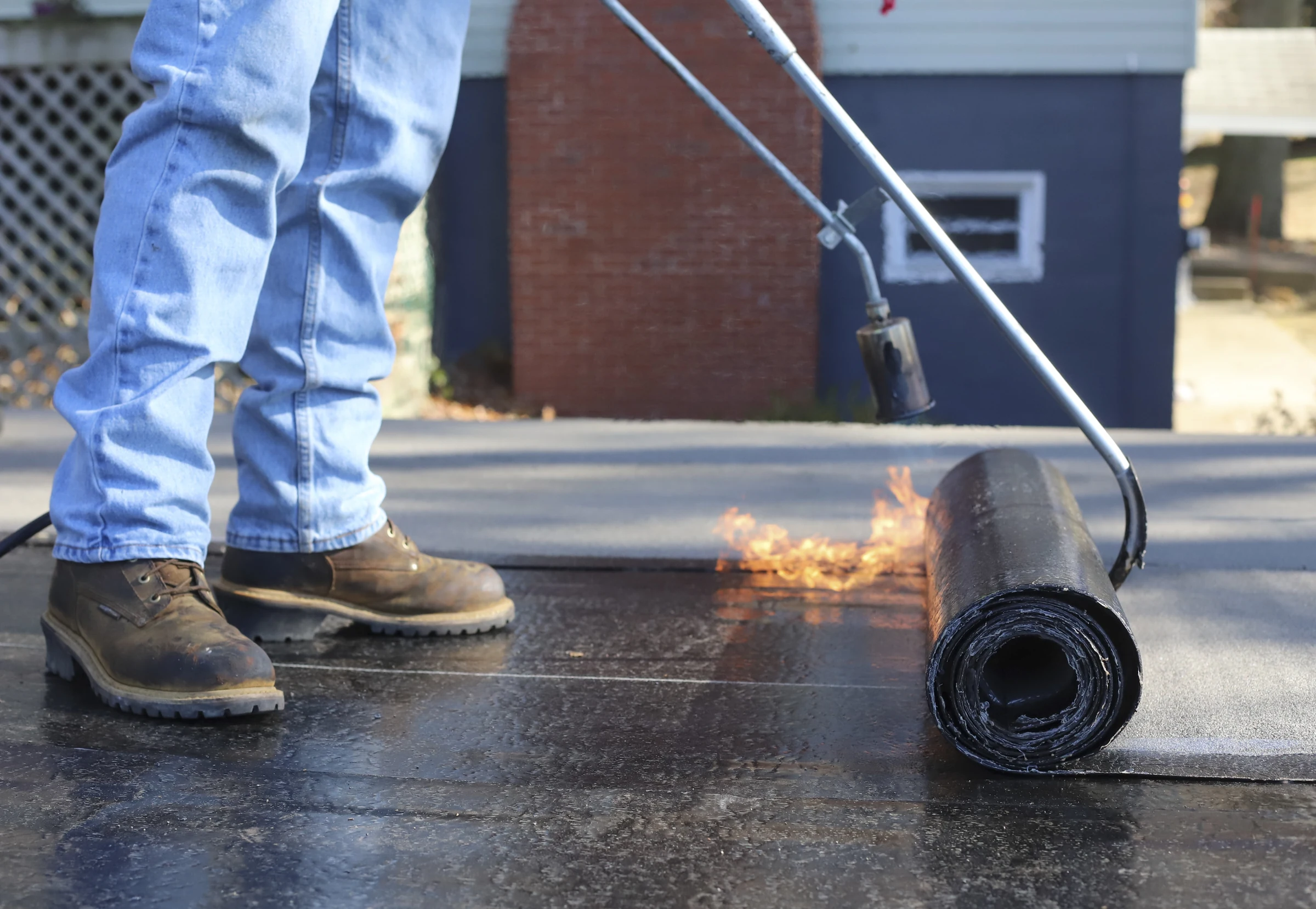
Eighty-mil welds fine, but it's less forgiving than 60. The thicker sheet needs more heat input to reach a full weld, and it holds heat longer once welded. Our welder settings, speeds, and test-weld routine all get adjusted for the heavier membrane, and that matters double here because deck temperatures in a San Bernardino summer already push the equipment.
The sheet is stiffer, which shows up at details. Inside corners, small pipes, and tight curb clusters take more time to flash cleanly with 80-mil, and we budget that time instead of letting crews force stiff membrane into places it doesn't want to go. Pre-molded accessories handle most of it.
Handling is heavier too. A full-width roll of 80-mil is a two-man lift at altitude on a windy day. During Santa Ana season we stage fewer rolls on the roof and secure everything before the crew leaves, because a loose roll in a 60 mph gust is a projectile headed for a parking lot full of trucks.
Cost Math Against the 60-Mil Baseline
On a typical warehouse field, upgrading from 60 to 80 mil raises the membrane line item, but membrane is only one piece of the total. Insulation, fastening, flashings, edge metal, and labor barely change. So the delivered cost difference on the whole project usually lands in the range of five to ten percent, while the expected service life extends materially.
For an owner planning to sell in a few years, that premium mostly benefits the buyer, and 60-mil with a transferable warranty is the rational pick. For everyone else, solar hosts, cold storage operators, institutions, 80-mil is cheaper per year of roof, which is the number that actually matters. We put both options in the proposal with real figures and let the owner decide with the math in front of them. A roof inspection ahead of budgeting tells us which conversation to have.
What Owners Ask About 80-Mil TPO
Is 80-mil worth it on a standard distribution warehouse?
If the roof will carry solar, heavy equipment, or regular trade traffic, yes. If it's a clean lid over racking space with two curbs and a hatch, 60-mil usually pencils better unless the owner is holding long-term.
Does the thicker sheet resist hail?
It performs measurably better under impact than thinner membrane. Valley hail is rare, but the mountain communities and the foothill zones above Highland and Yucaipa see real hail, and we spec heavier membrane and cover board there.
Can you weld 80-mil to an existing 60-mil roof for repairs?
Yes, TPO welds to TPO across thicknesses as long as the existing sheet is still weldable. Age and surface oxidation are the limiting factors, not the mil difference.
Will 80-mil TPO satisfy Title 24?
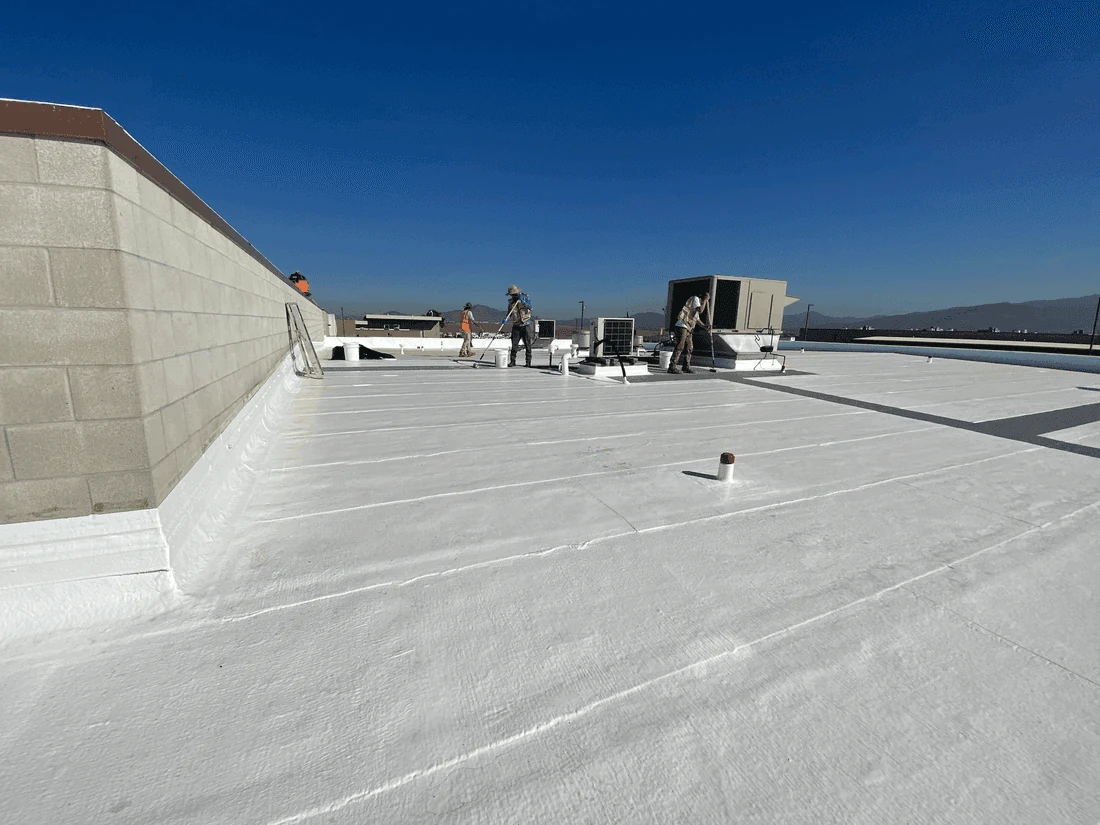
White 80-mil TPO carries the same reflectivity ratings as the thinner sheets, so cool roof compliance works the same way. Thickness doesn't change the solar reflectance numbers.
How much longer will it actually last here?
No one can promise a year count, but the weathering layer is roughly 40 percent thicker, and UV wear is the dominant aging mechanism in this climate. Reasonable planning assumption: an 80-mil roof maintained on schedule outlasts a 60-mil roof by five to ten years in this valley.