One Roofing Vendor for a Portfolio of Different Owners
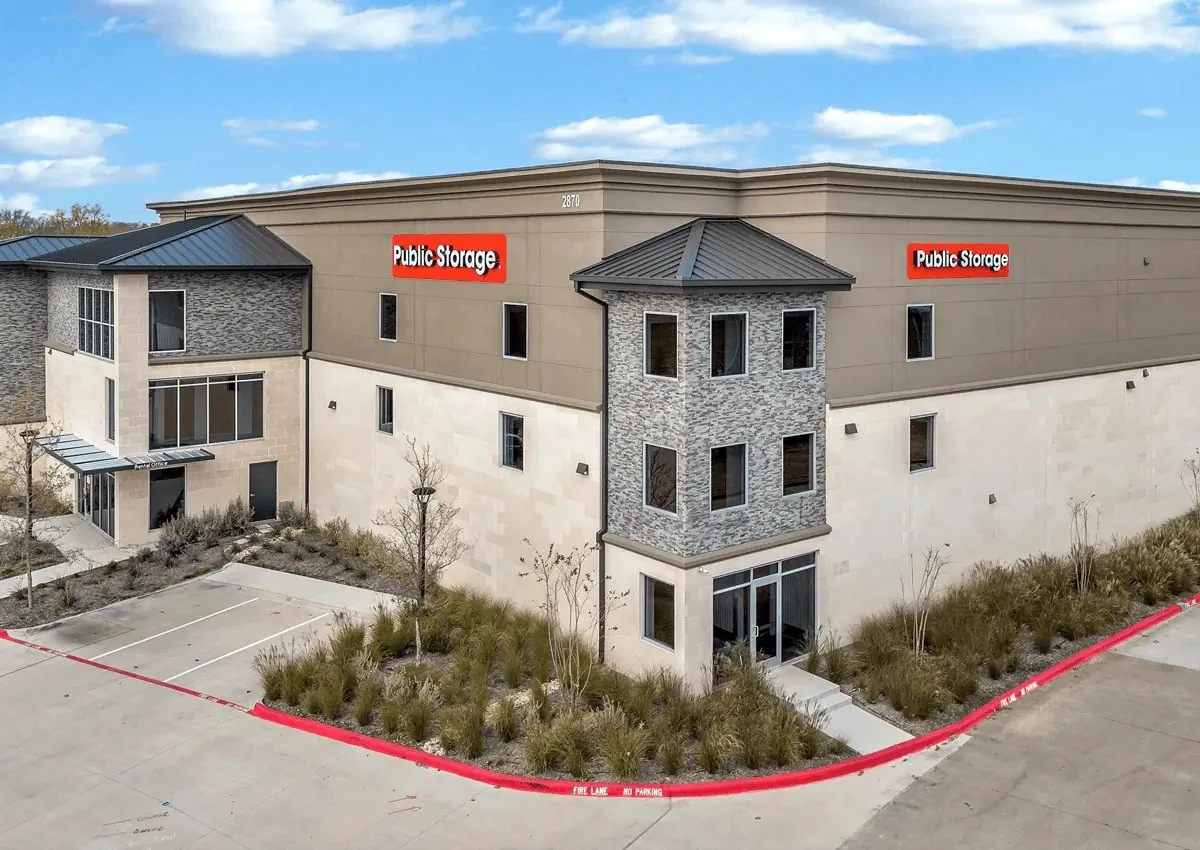
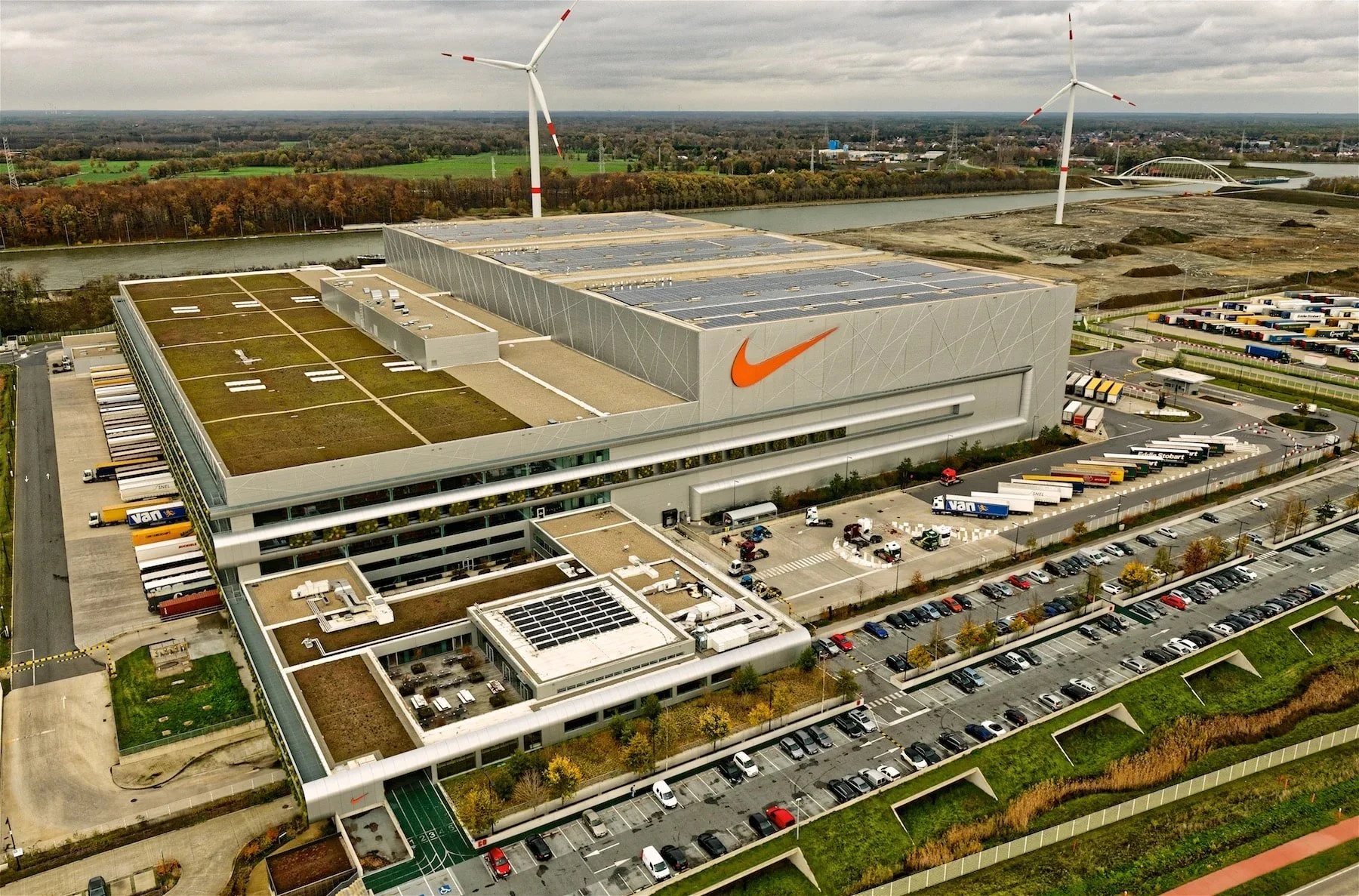
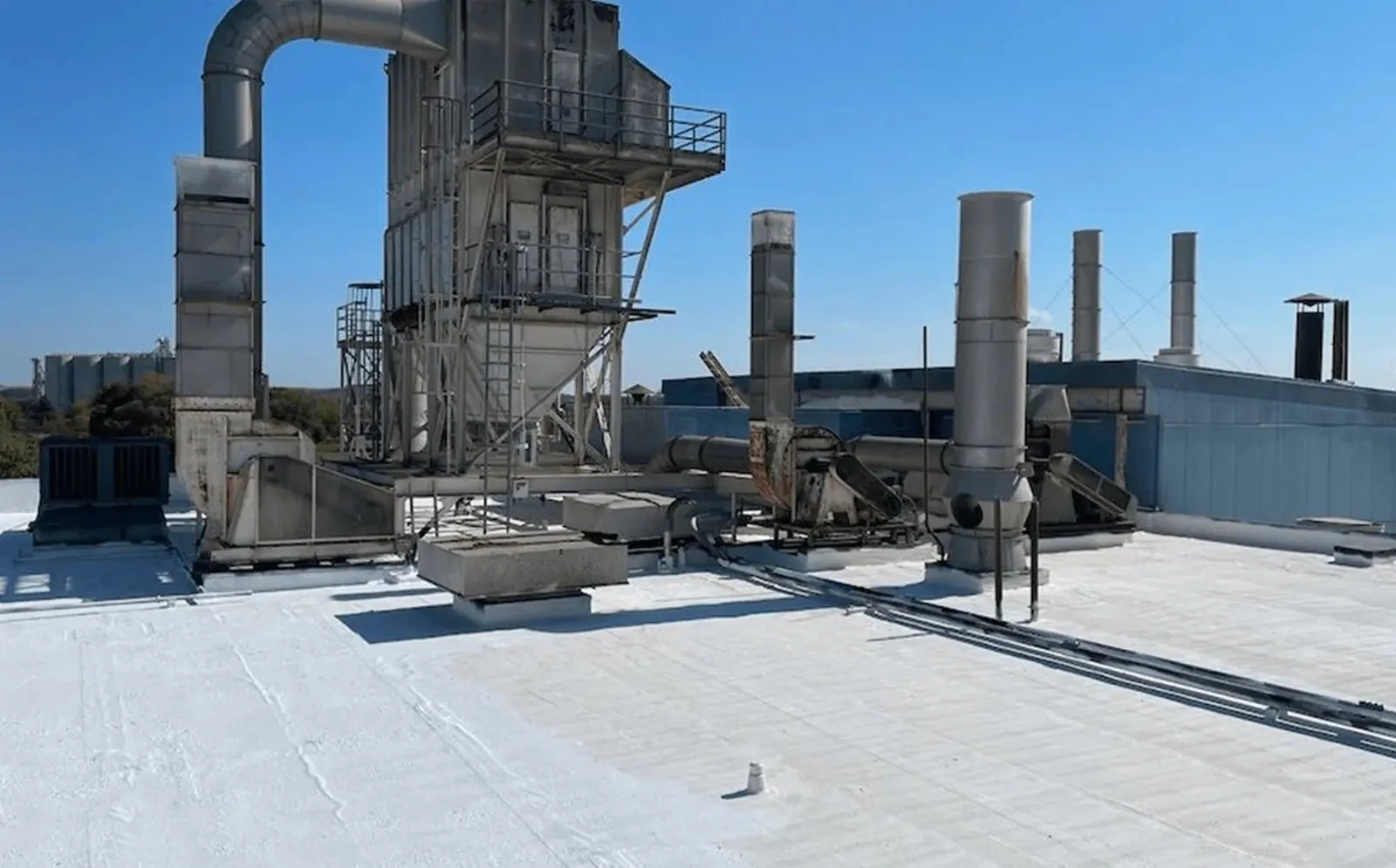
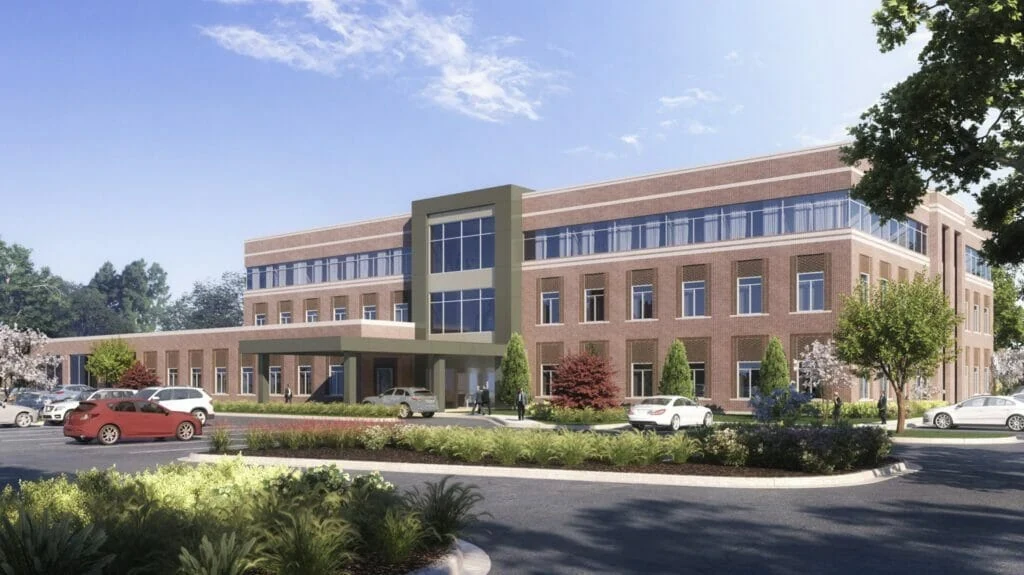
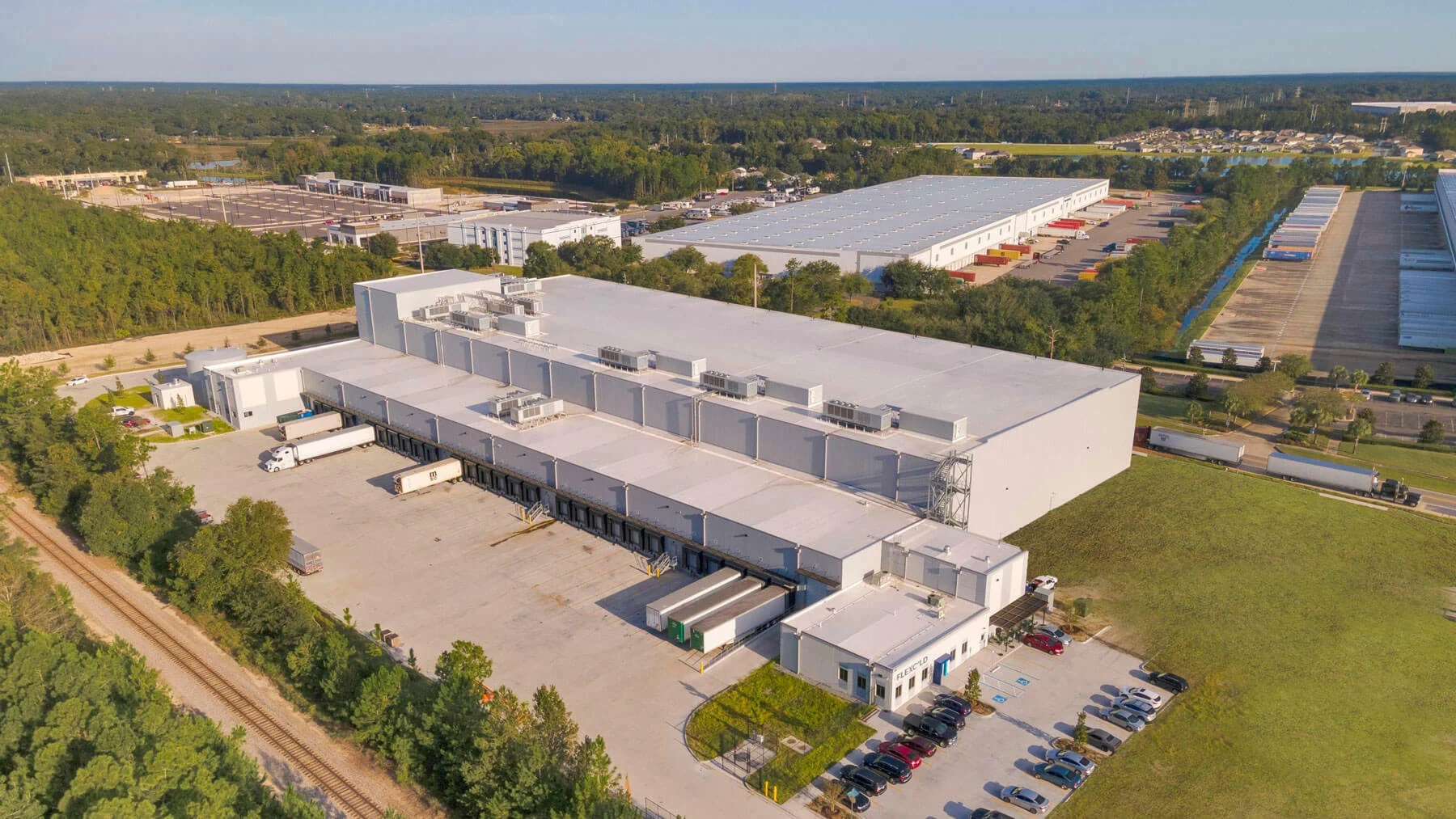
Property management firms in this market rarely manage one kind of building. A single regional manager might be responsible for a Hospitality Lane office park, a Highland retail strip, and an industrial flex building in Bloomington, each owned by a different group with its own budget rules and reporting requirements. We work as the roofing vendor for that whole portfolio, across every address in it.
Why Portfolio Managers Consolidate to One Roofer
Every building on a different roofer means a different inspection format, a different invoice style, and a different set of excuses when something goes wrong. Regional property managers who bring us on for a full portfolio get one point of contact, one reporting format across every asset, and one dispatch number regardless of which owner's building is leaking. That consistency is worth more than most owners realize until they've lived through the alternative.
We also understand that you're managing on behalf of owners, not spending your own capital. Every recommendation we make gets written so you can hand it straight to an ownership group or asset manager without translating it first, condition, cost, urgency, and consequence of waiting, in that order.
Budget Cycles Decide What Gets Fixed and When
Most ownership groups run capital planning on an annual or multi-year cycle, and roof work that doesn't fit that cycle is a hard sell no matter how urgent it looks to us. We build our reports around that reality. A roof with five years of useful life left gets a maintenance plan and a replacement-year estimate for the next capital budget conversation. A roof actively failing gets flagged as an emergency regardless of what the capital calendar says, with the cost of waiting spelled out in plain terms.
Reserve studies and CAM reconciliations are where roof numbers actually get scrutinized, often by someone who never sets foot on the property. We write our estimates so they hold up in that review, line-itemized, tied to actual measured square footage and system type, not a lump sum that looks arbitrary to an owner three states away.
Competitive Bidding Without Losing the Relationship
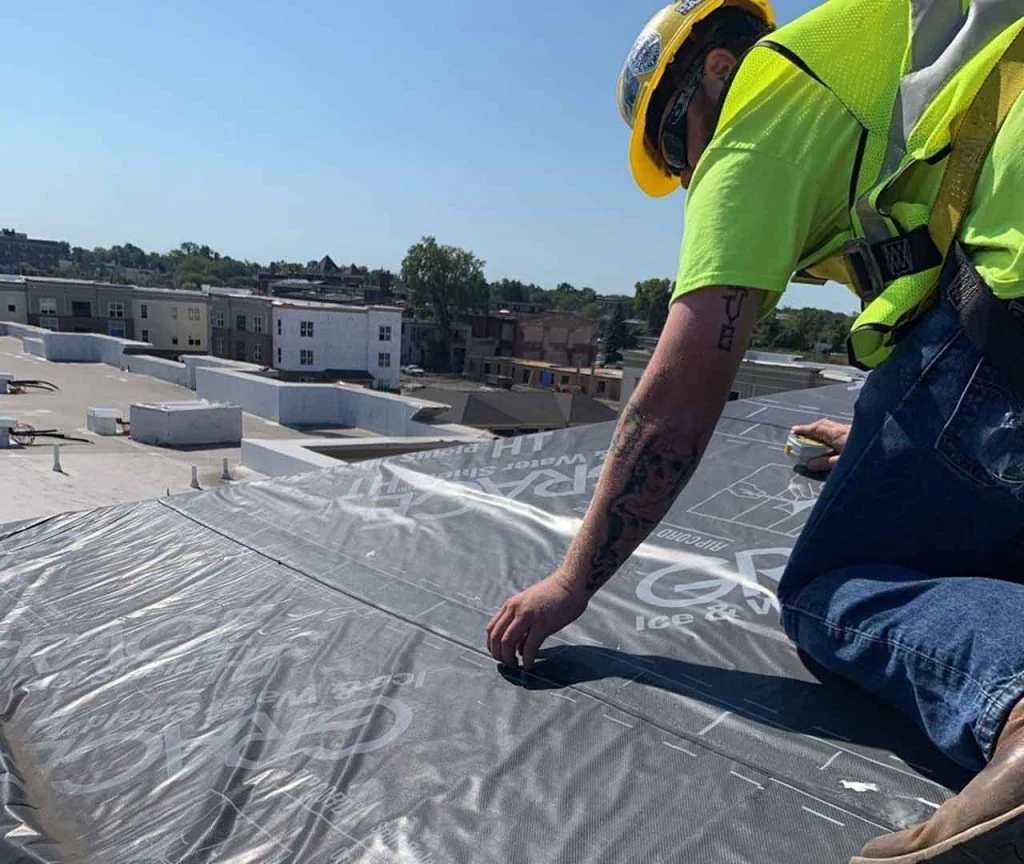
Some ownership groups require competitive bids on any roof spend past a set dollar threshold. We're used to bidding against other contractors on the same scope, and we'd rather compete on a clear, apples-to-apples specification than win by default. What we ask in return is that the bid package reflects the actual roof condition, our site visit, our measurements, our photos, so the winning number is based on the real building and not a guess from an aerial photo.
For portfolio work below the competitive-bid threshold, most of our property management clients keep us on a standing rate schedule instead of re-bidding every repair. It saves everyone time and gives owners a predictable number to plan against.
Tenant Complaints Are Usually the First Signal
A leak complaint from a tenant is often the first anyone hears about roof trouble, and property managers get squeezed between the tenant wanting an immediate fix and the owner wanting to understand the cost before approving it. We triage those calls the same day: stop the water, document the source and extent, and give you a number fast enough to keep the tenant relationship intact while ownership makes the real decision.
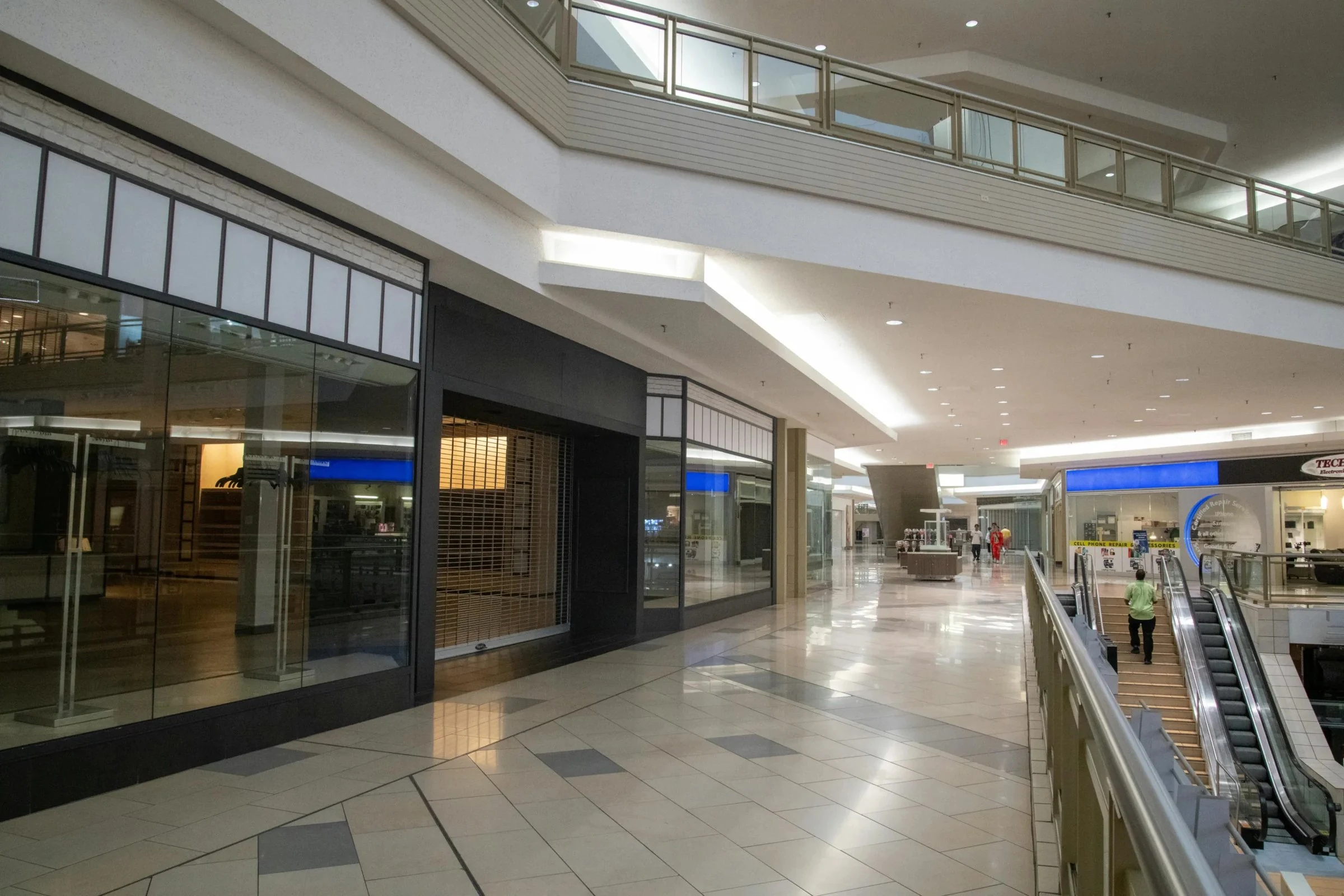
Multi-tenant retail strips and office buildings on Hospitality Lane and in Highland see this most, since roof leaks there show up as ceiling stains in a tenant's leased space, not an empty warehouse bay. We photograph both the roof-side cause and the interior damage so your file supports whatever conversation follows, whether that's a repair invoice or a tenant liability question.
What a Portfolio Account With Us Includes
- A single reporting format across every asset in your portfolio, regardless of ownership group
- Annual or semiannual inspections scheduled around each owner's budget and fiscal calendar
- Line-itemized estimates built for reserve studies, CAM reconciliation, and capital planning review
- Same-day triage on tenant leak complaints with photo documentation of both roof and interior damage
- Standing rate schedules for repairs below competitive-bid thresholds
- Replacement-year forecasting flagged early enough to make the next capital budget cycle
Covering a Spread-Out Portfolio in One Trip
A manager covering assets from Yucaipa to Grand Terrace to the Airport Area doesn't have time to schedule five separate roofer visits in a month. We batch inspections geographically when a portfolio spans multiple cities, so you get consolidated reporting on a schedule that matches how you actually manage the properties, not five disconnected service calls. Our roof inspection and maintenance program services are designed for exactly this kind of multi-site scheduling.
Questions Property Managers Ask First
Can you manage inspections and repairs across buildings with different owners?
Yes, that's most of what we do for portfolio clients. Each building gets its own file and owner-specific reporting, even when we're scheduling the visits together for efficiency.
Do your estimates hold up for reserve studies and CAM reconciliation?
They're built to. Every estimate is line-itemized against measured roof area and system type, with photo documentation, so it survives review by an owner or asset manager who never visits the property.
How fast do you respond to a tenant leak complaint?
Same day for active leaks. We stop the water first and document cause and extent, then give you a repair number quickly enough to manage the tenant relationship while ownership reviews cost.
Will you participate in competitive bidding when an owner requires it?
Yes, regularly. We ask that the bid scope reflect our own site visit and measurements rather than an assumption, so the number an owner picks reflects the real building.
Can you flag roofs that will need replacement before the next capital cycle?
That's a core part of the account. We forecast remaining roof life during regular inspections and flag anything approaching replacement early enough to get into the budget conversation instead of becoming an emergency.