A Roofing Contractor Who Works at the Portfolio Level
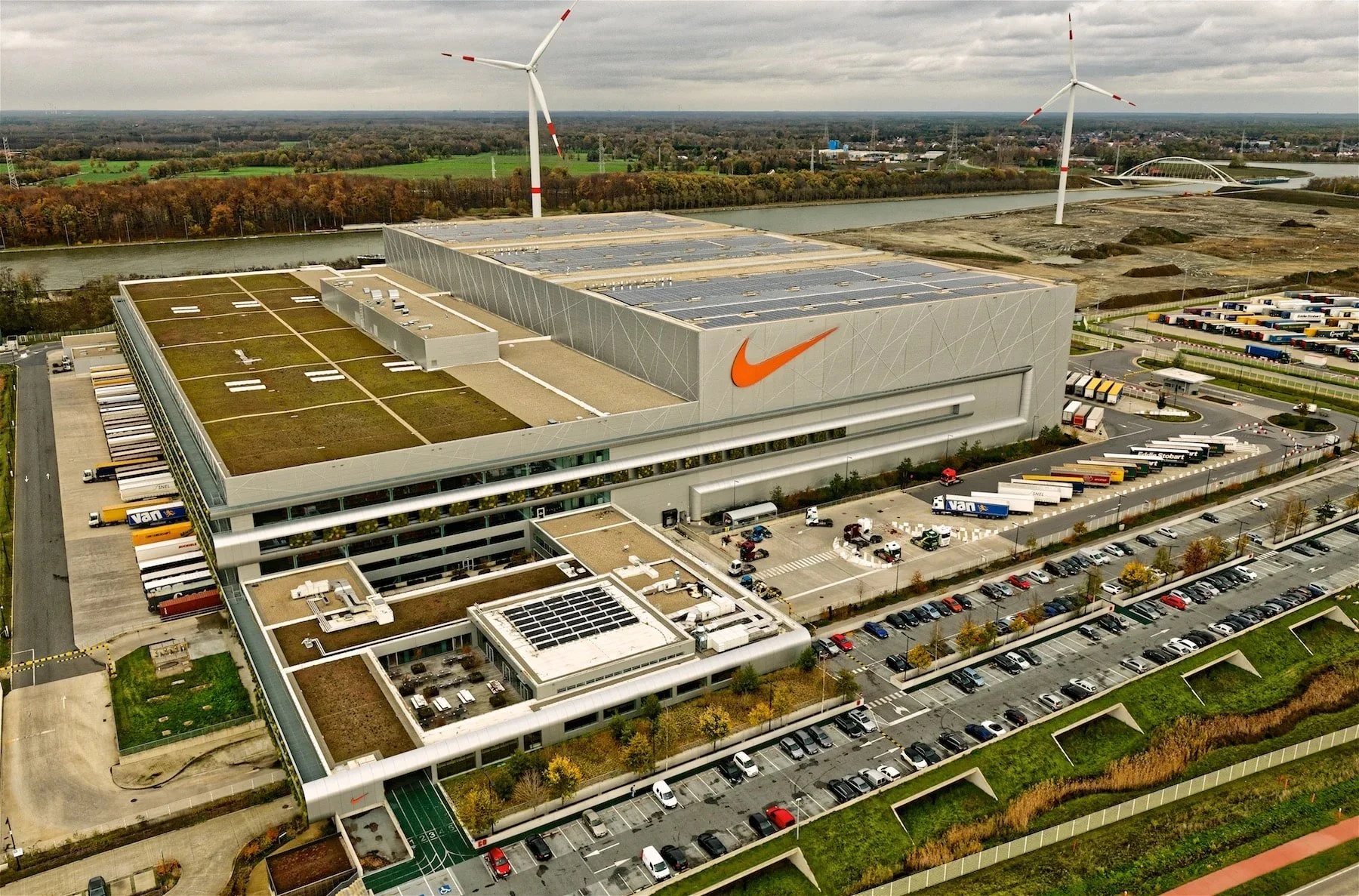
Institutional capital owns most of the big industrial roofs between Fontana and Moreno Valley, and the people responsible for those roofs usually sit in an office hundreds of miles away. We work as the local eyes and hands for REIT asset managers, portfolio engineers, and regional property teams who need straight answers about assets they rarely walk. No drama, no padded scopes, condition data and numbers you can put in a capital plan.
The Problem With Managing Roofs From a Spreadsheet
An asset manager holding twelve buildings in the Inland Empire sees each roof as a line item: install year, warranty term, reserve estimate. That works until it does not. Install year tells you nothing about whether the original crew fastened the corners right, whether a tenant's solar or HVAC contractor voided the warranty with unflashed penetrations, or whether ponding has been quietly rotting insulation for five years.
The gap between the spreadsheet and the actual membrane is where surprise capital calls come from. A roof carried at year 12 of a 20-year life can be functionally done, and a roof carried as near-term replacement can have ten honest years left with modest repairs. We exist to close that gap with inspections, core data, and moisture surveys, so your reserve schedule reflects the deck, not the install date.
Acquisition and Disposition: What the Roof Is Actually Worth
When a warehouse trades in this market, the roof is one of the largest single capital items in the deal. On the buy side, we perform pre-acquisition roof assessments: full walk, seam probing, core cuts where permitted, infrared or capacitance moisture scan, drainage review, and a photographed defect map. You get a repair-versus-replace opinion with rough-order costs, in time for it to matter in negotiations.
On the sell side, the same documentation cuts the other way. A dated condition report and a clean maintenance history blunt a buyer's attempt to grind price over roof fear. Redlands' Donut Hole corridor and the Rialto Renaissance parks have both seen heavy trading in recent cycles, and buildings with paper on their roofs move through diligence faster than buildings without it.
One Spec Across the Portfolio
Owners with multiple Inland Empire assets benefit from standardizing. When every roof in the portfolio is on a comparable specification, same membrane family, same fastening approach for the wind zone, same walkway and penetration details, inspections get faster, repairs get cheaper, and no institutional knowledge lives only in one superintendent's head.
We help owners write that standard and hold every project to it. For this market it has to account for high-desert UV, Santa Ana uplift pressures at the Cajon Pass outflow, and the reality that most of these buildings will be re-tenanted several times before the membrane ages out. Details that survive tenant rooftop abuse, protected penetration zones, sacrificial walkway pads at service routes, pay for themselves at the second lease turn.
What institutional owners typically hire us for:
- Portfolio-wide roof condition assessments with reserve-ready cost forecasting
- Pre-acquisition and disposition due-diligence surveys
- Warranty tracking, registration, and manufacturer claim coordination
- Tenant rooftop-activity review, HVAC swaps, solar mounts, dish installs
- Capital replacement projects bid to a consistent owner specification
- Leak response with reporting formatted for asset-management review
Tenants on the Roof Are Your Biggest Warranty Risk
Every industrial lease turn in this market brings contractors to the roof, new rooftop units, exhaust penetrations, racking-driven vents, cameras, sometimes solar. Each unflashed or badly flashed penetration is a future leak and a potential warranty void. Manufacturers do not pay claims on membranes their approved applicators did not touch.
We act as the owner's gatekeeper: reviewing tenant rooftop work plans, performing the flashing and tie-ins ourselves where the warranty requires it, and inspecting after third-party trades leave. It is unglamorous work that saves entire warranties. When a claim does arise, we run the documentation and the manufacturer correspondence so your team is not learning membrane chemistry on a deadline.
Timing Capital Projects in This Climate
The Inland Empire gives you a long dry season, which is a gift for reroofing, and a trap. Summer deck temperatures on a dark roof out here will shut down crews by early afternoon and cook adhesives past their application range. The best windows are spring and fall; fall projects also get the roof tight before the winter storm systems arrive. Santa Ana season complicates staging, since loose insulation boards and unballasted membrane become airborne hazards in outflow winds.
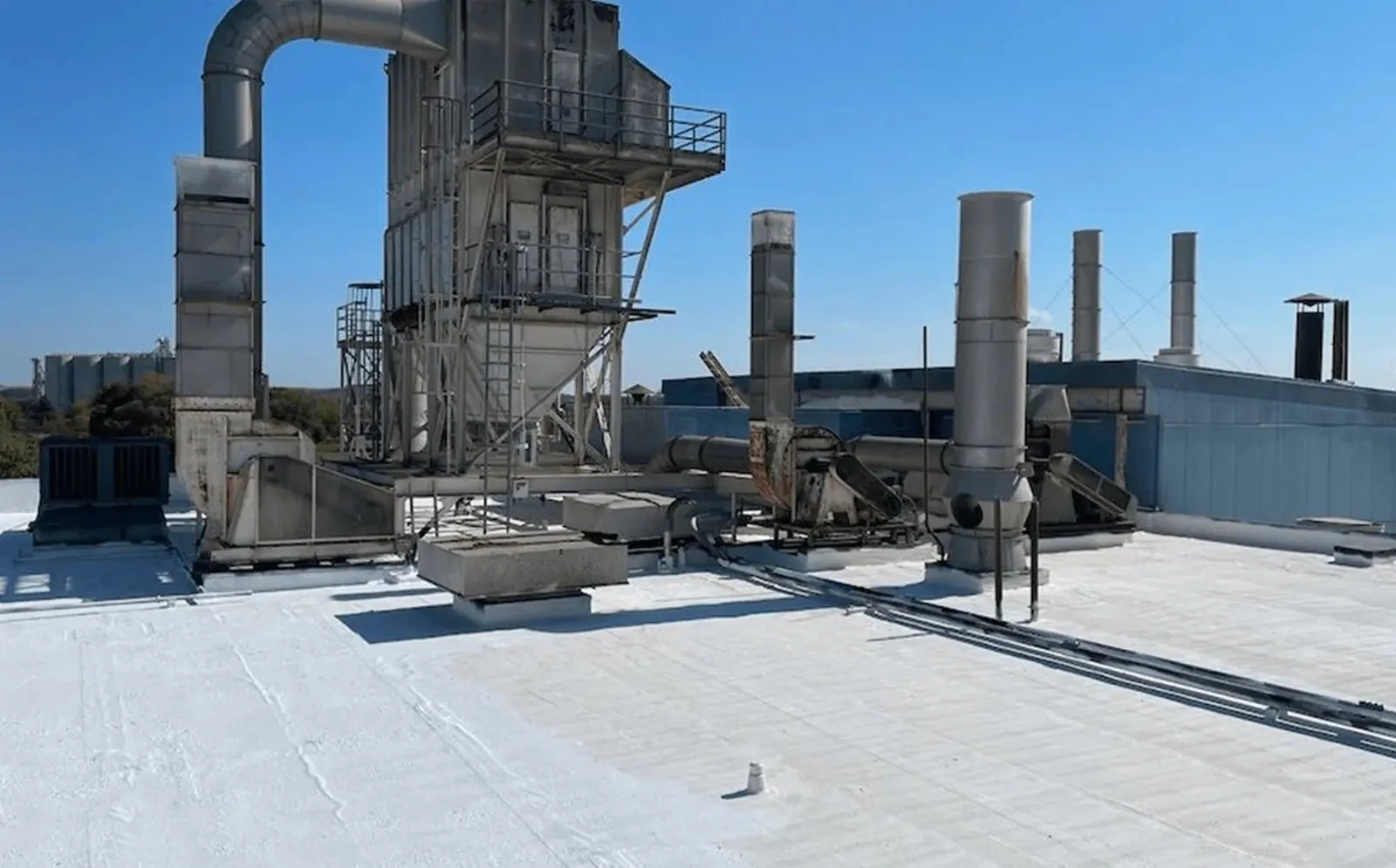
We plan portfolio capital work around those realities and around your tenants' operations, sequencing buildings so crews, cranes, and material deliveries flow from one asset to the next instead of mobilizing cold each time. For roofs that are dry but aging, a coating restoration can defer full replacement and move the spend to a friendlier budget year, we will tell you plainly when that is a real option and when it is throwing money at a wet roof.
What Asset Managers Want to Know
Can you assess our whole Inland Empire portfolio on one engagement?
Yes. We scope multi-building assessments as a single project with a uniform report format, so you can rank roofs against each other and sequence capital sensibly instead of reacting building by building.
How do you price replacement forecasts we can actually budget against?
We give rough-order ranges tied to system choices and current material conditions, flagged with what could move them, deck condition unknowns, insulation wet-area extent, code-driven upgrades. You get a range with stated assumptions, not a single number that quietly assumes perfection.
Our roofs are under manufacturer warranty. Why do we need you?
Warranties cover membrane defects, not neglect, and they require documented maintenance to stay valid. They also exclude tenant damage, which is most of what actually happens on an industrial roof. We keep the paper trail that keeps the warranty enforceable.
Do you work directly with our property management firm?
Constantly. Typically the PM handles day-to-day dispatch and we report condition and capital items up to the asset manager. We fit whichever reporting chain you run, as long as someone with budget authority sees the roof data.
What happens when a tenant's contractor damages the roof?
We document the damage, separate it from normal wear in writing, price the correction, and give ownership what it needs to back-charge the tenant under the lease. The sooner we see it, the cleaner that paper trail is.