Roofing Manufacturing Plants Along the Colton Rail Corridor
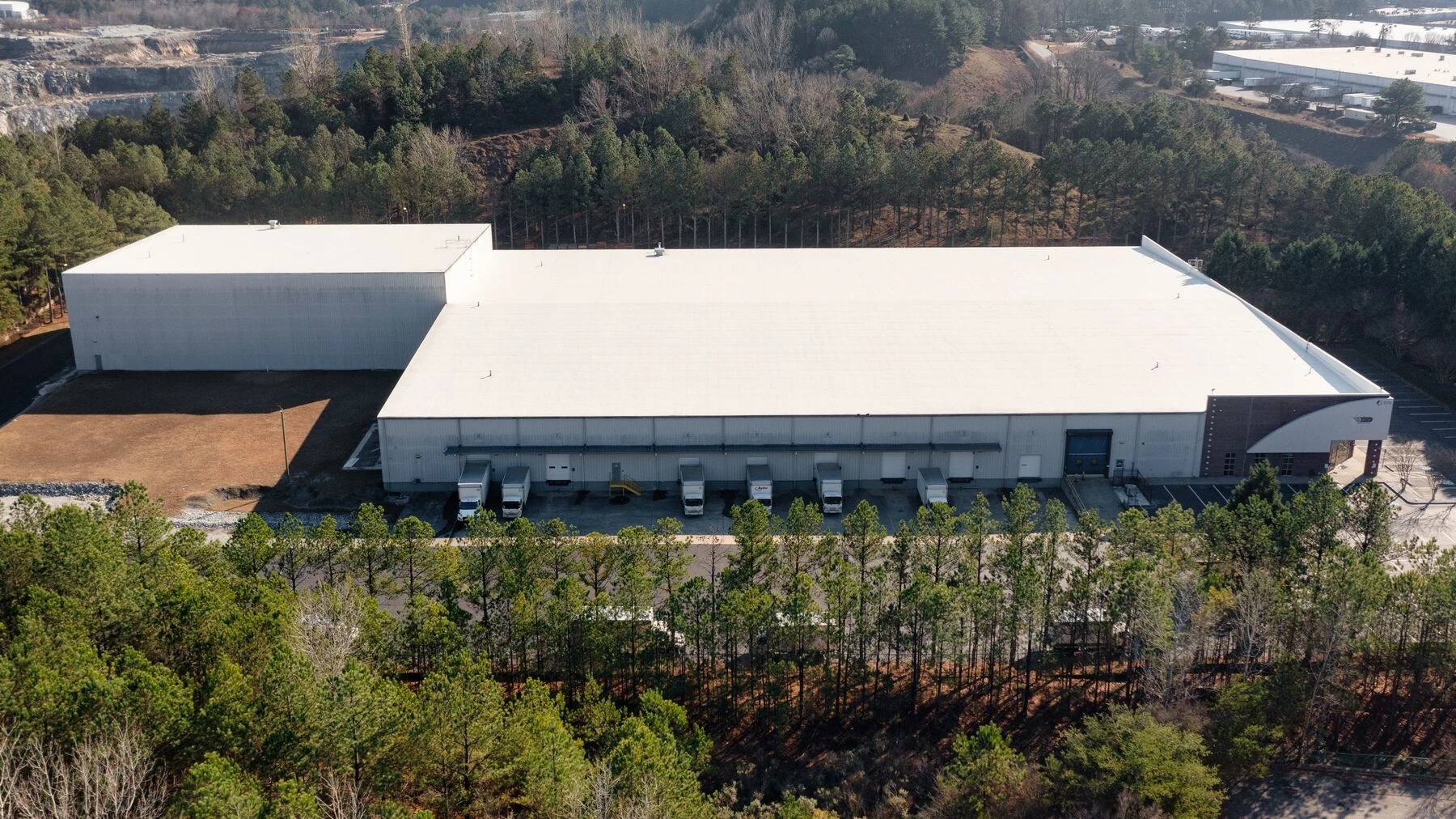
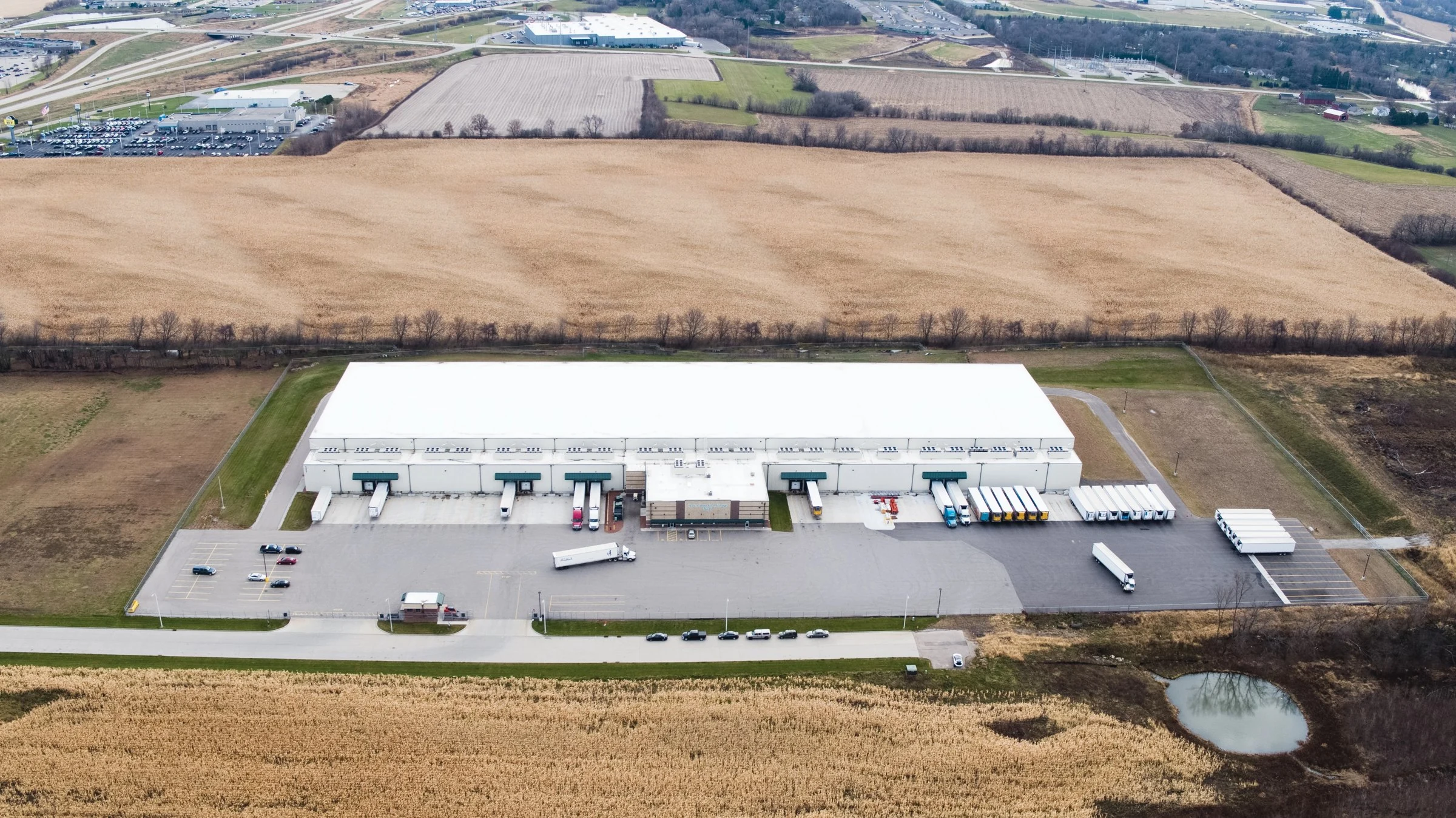
A manufacturing roof carries more equipment, more heat, and more downtime cost than almost any other building type we work on. Plants along the rail corridor near Colton and the industrial pockets around Highgrove run production lines that cannot stop for a leak, and the roof above them has to be treated as part of the process, and not merely a lid on the building.
The Roof Doubles as a Utility Deck for the Plant
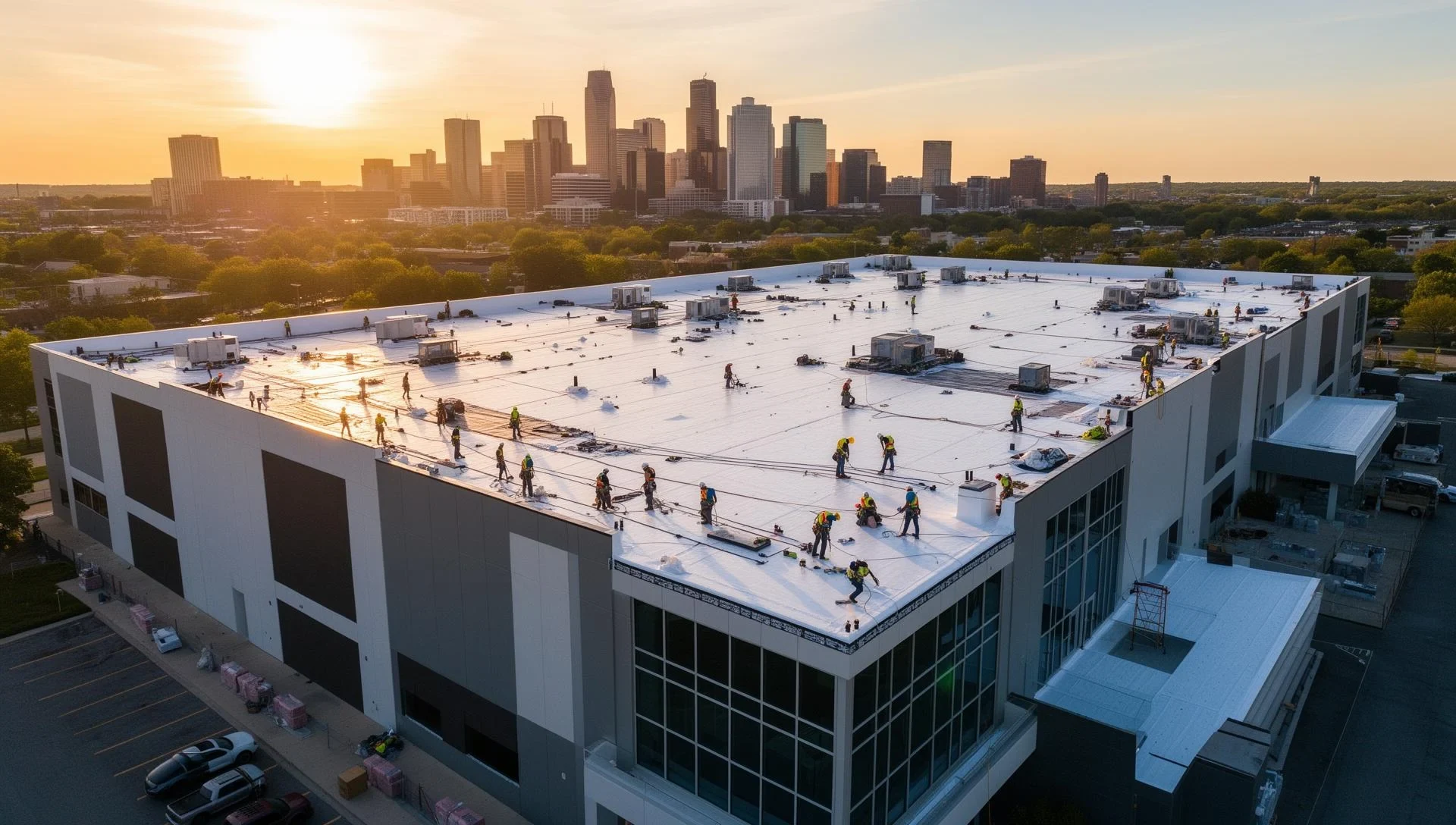
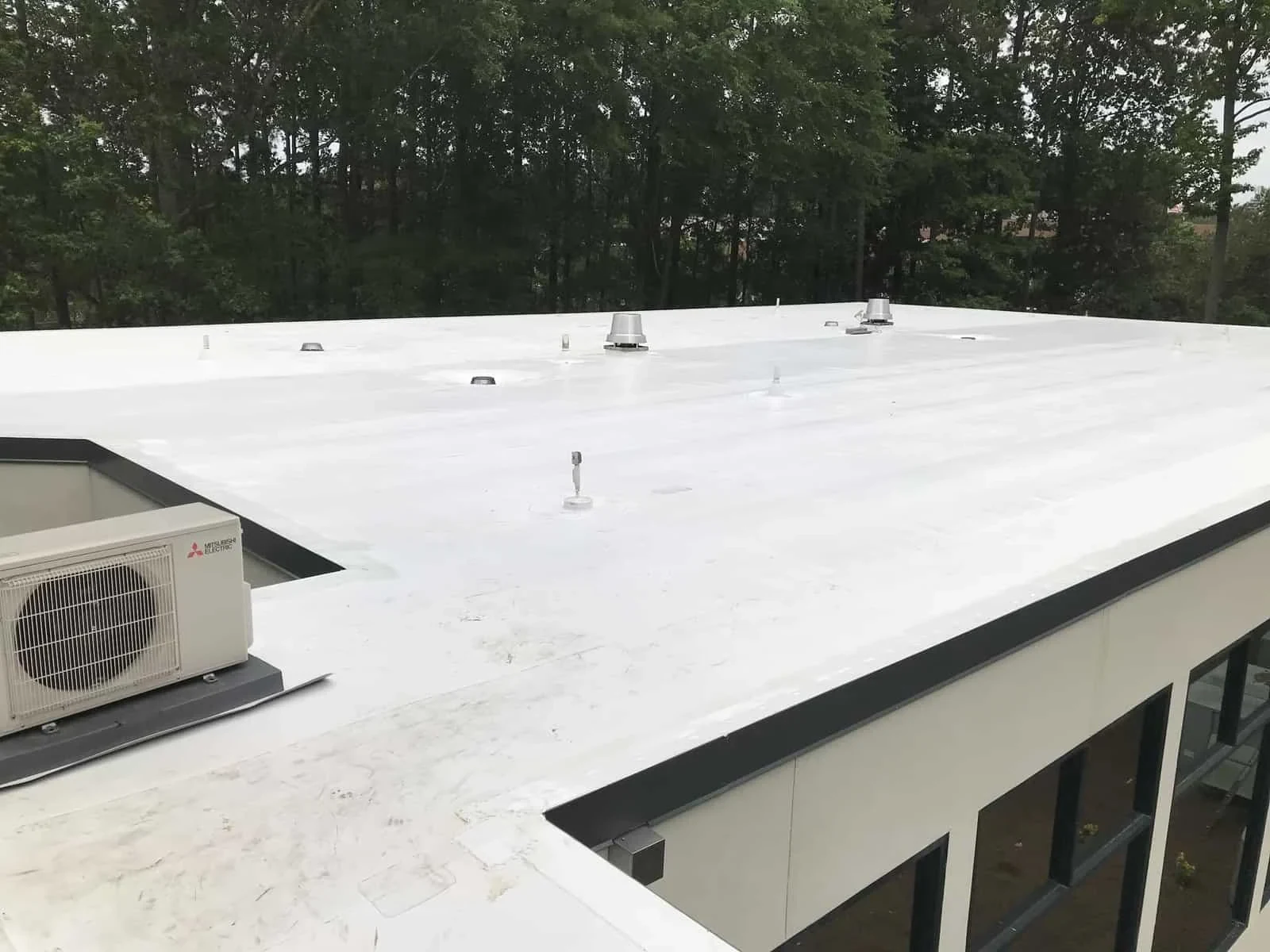
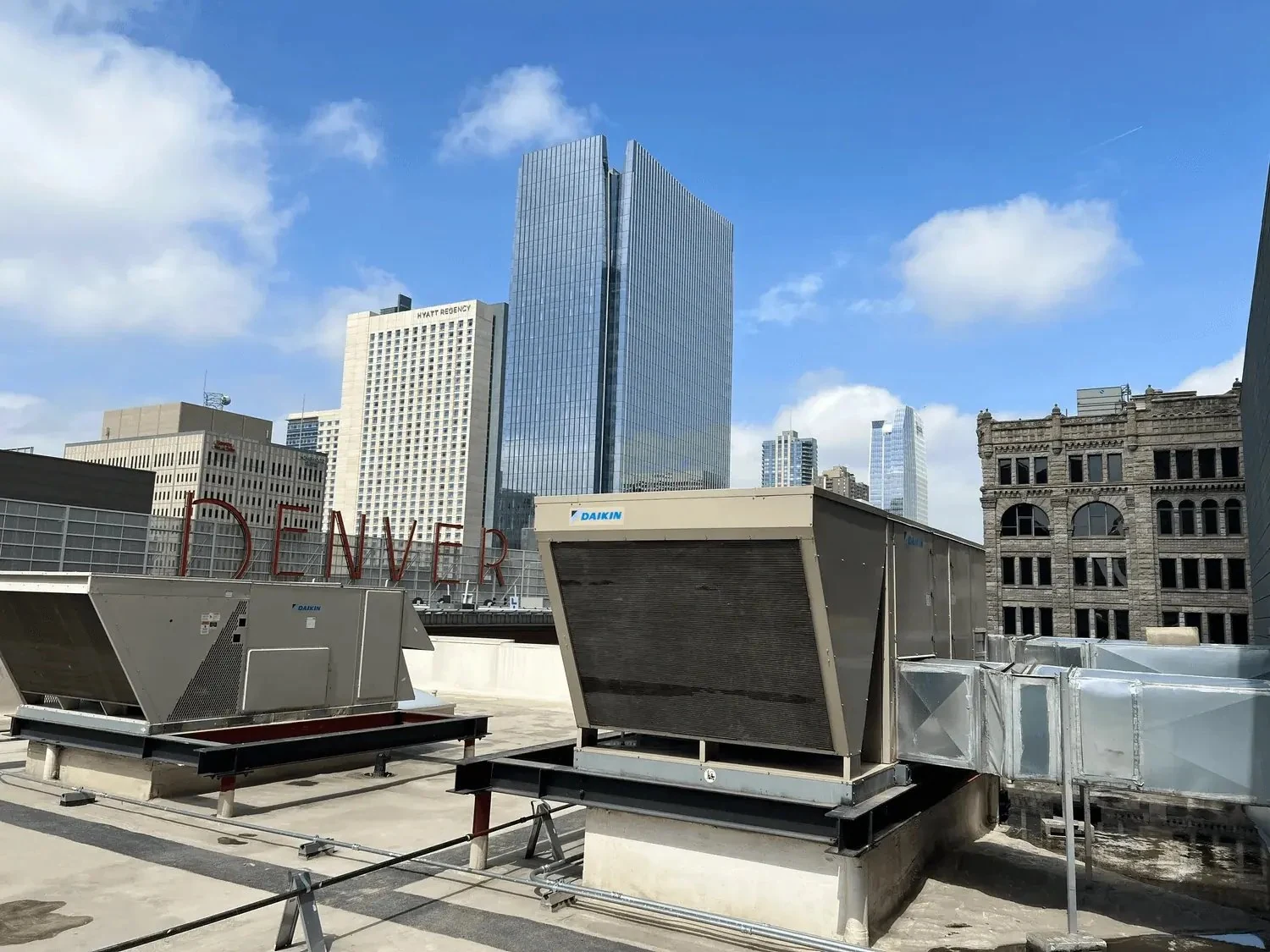
Walk a manufacturing roof in this market and you will find exhaust fans pulling fumes off a paint line, ductwork tying into scrubbers, conduit runs feeding equipment below, and in some cases process piping running straight across the field. Every one of those items sits on a curb that penetrates the membrane, and every curb is a spot where the roof can fail first.
We map process equipment separately from standard rooftop units when we survey a plant roof, because the flashing and clearance requirements are different. A scrubber exhaust curb dealing with corrosive fumes needs a different coating and inspection interval than a standard HVAC curb twenty feet away.
Heat load from below matters too. Process areas running hot equipment can push deck temperatures higher than ambient weather alone would explain, which ages membrane over those zones faster than the rest of the roof.
Corrosive Exhaust and Membrane Selection
Plants running paint booths, metal finishing, or chemical processing exhaust byproducts that a standard membrane was never built to handle. We have seen field membrane degrade fastest not from UV or foot traffic but from exhaust plume settling directly downwind of a scrubber stack, day after day, for years.
When we spec a roof for a plant like this, exhaust plume direction and equipment layout drive membrane and coating selection as much as budget does. PVC handles some chemical exposure better than standard TPO in these zones, and a fluid-applied coating over the affected area can extend life on sections a standard membrane would not survive.
Fire Watch and Hot Work Rules Change the Job
Active plants often run flammable materials, solvents, or dust collection systems that make open-flame roofing work a real hazard, and not only a permit formality. We coordinate hot work permits and fire watch requirements with your plant safety officer before torch-applied modified bitumen or any open flame goes anywhere near the roof, and we default to cold-applied or mechanically fastened systems where the plant's own safety rules call for it.
Confined space and lockout procedures for equipment access also apply on these roofs more than on a standard warehouse. Our crews follow plant-specific access protocols ahead of our own standard safety plan, because a manufacturing facility's rules exist for reasons specific to what happens inside it.
A typical manufacturing plant roof survey covers:
- Process equipment curb inspection separate from standard HVAC units
- Exhaust plume mapping against membrane condition in downwind zones
- Deck temperature and heat-load assessment over active process areas
- Fire watch and hot work coordination requirements for the specific plant
- Drain and scupper capacity check against actual roof loading
- Coating condition review where chemical or corrosive exposure exists
- Structural review of curb attachment on older or retrofitted equipment
Zero-Downtime Reroofing on a Running Line
Most plant owners cannot shut a production line down for a roof project, and some cannot tolerate even a temporary loss of climate control over sensitive processes. We phase manufacturing roof work into sections small enough to seal watertight by the end of each shift, and we schedule the noisiest and most disruptive work, like deck fastening or crane picks, around the plant's own production schedule rather than ours.
Vibration from certain manufacturing equipment can also affect fastener backout and seam integrity over time in ways a standard warehouse roof never experiences. We factor equipment location into fastening pattern and inspection frequency alongside wind zone on plants with heavy rotating or reciprocating machinery.
Working With Plant Engineering, Not Around It
A manufacturing facility usually has its own engineering or maintenance staff who know the building's quirks better than any outside contractor walking in cold. We treat that staff as a resource, not an obstacle, and we build our roof plan around information they already have: where past leaks tracked, which equipment gets serviced most, and which sections have already been patched more than once.
Manufacturing Roofing Questions From Plant Managers
Can you work while our line is running?
In most cases yes. We phase the job in sections, keep the roof watertight at the end of every shift, and coordinate the loudest work around your production schedule rather than making you work around ours.
Does exhaust from our process affect the roof membrane?
It can, especially with corrosive or chemical exhaust. We map plume direction against membrane condition and often recommend a different material or coating in the affected zone rather than treating the whole roof the same.
How do you handle hot work restrictions in an active plant?
We coordinate directly with your safety officer on fire watch and hot work permitting, and we default to cold-applied or mechanically fastened systems anywhere your own rules restrict open flame.
Do you need access to our process areas to do the roof work?
Only where curbs or equipment tie into interior systems. We plan access requests ahead of mobilization so your staff is not fielding surprise requests mid-project.
What causes most of the leaks you find on manufacturing roofs?
Process equipment curbs added after the original roof install, usually flashed quickly during an equipment change without full integration into the roofing system around it.