Flex and Light-Industrial Building Roofs Across the Valley
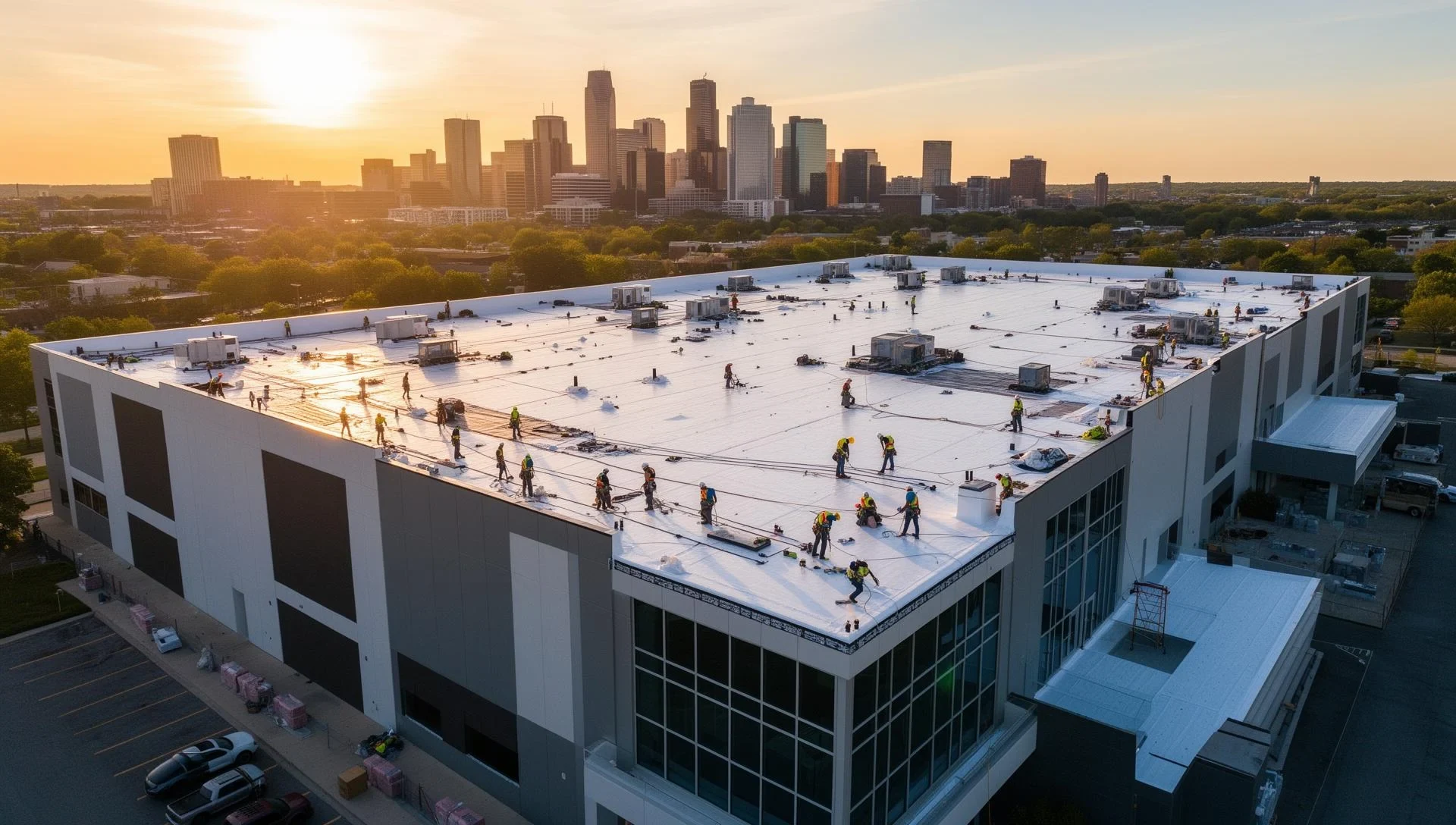
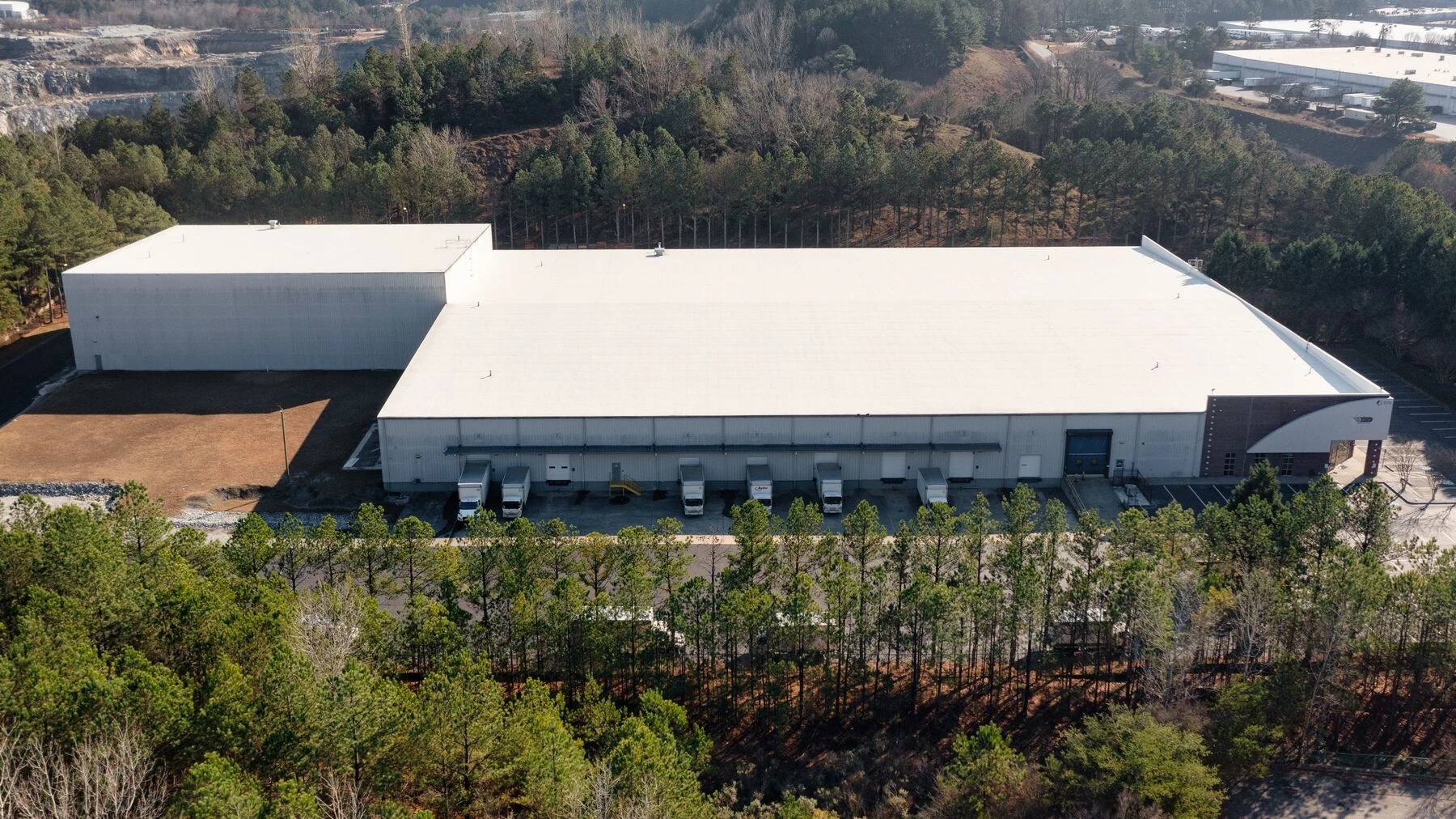
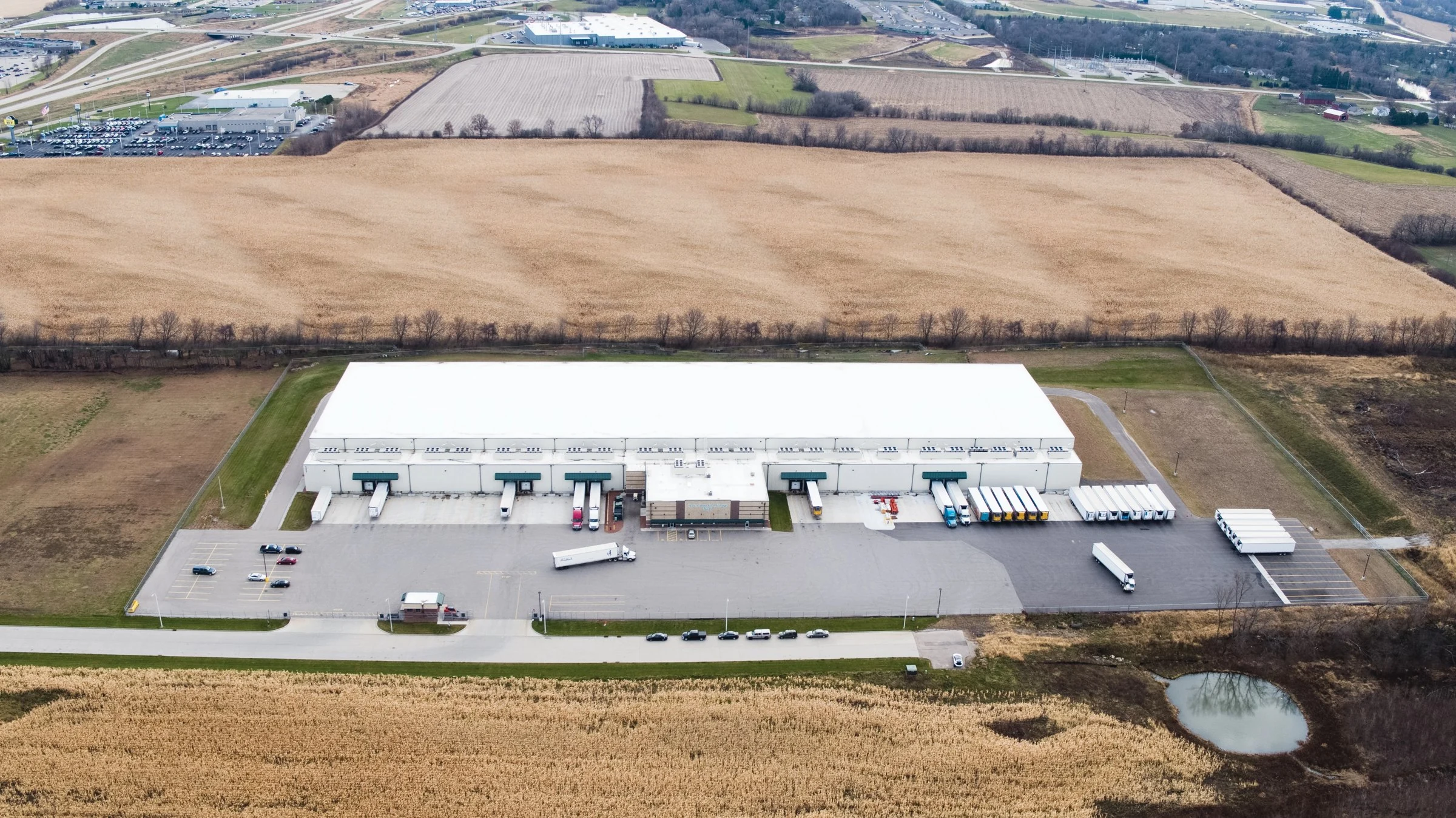
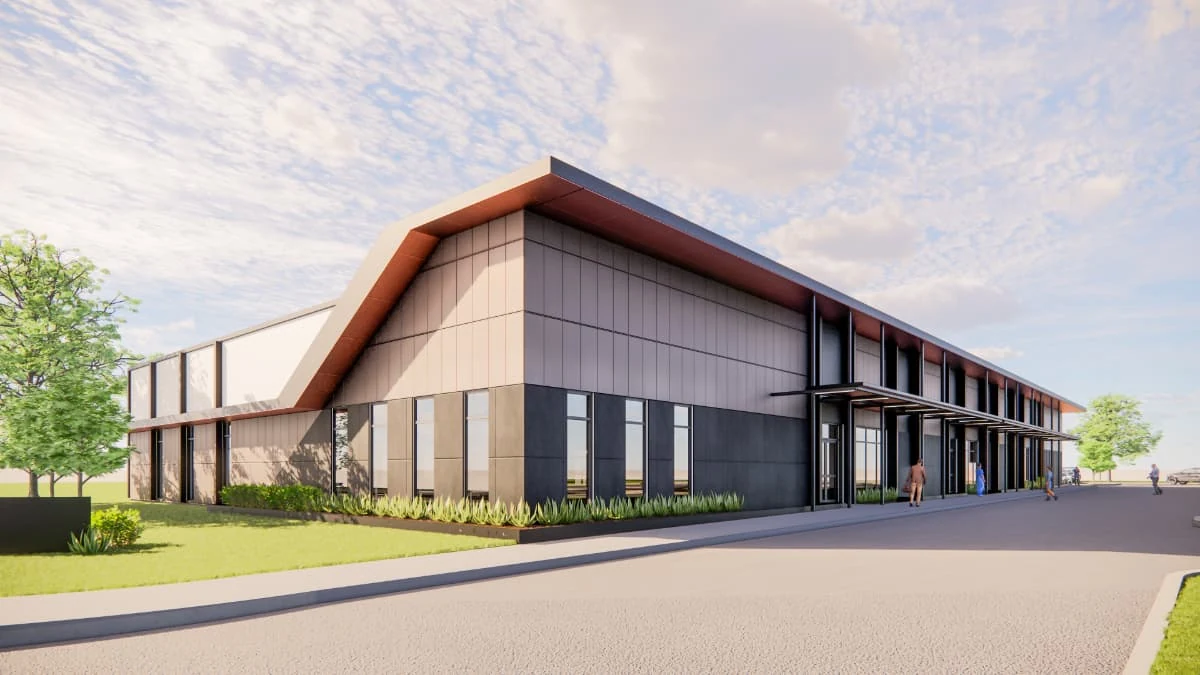
Flex space is the odd building type nobody plans for until the roof leaks into three different tenant suites at once. We work on multi-tenant flex and light-industrial buildings from Bloomington to Mead Valley, where a single roof deck often covers a machine shop, a contractor's storage bay, and a small office under one lease line.
One Roof, Several Tenants, Several Problems
A flex building rarely gets built and reroofed as one clean job. Suites get subdivided, walls move, and mechanical units get added by whichever tenant needed them at the time. The result is a roof with three or four generations of penetrations, patches from different contractors, and membrane transitions that do not always match up with what is actually happening inside the building below.
Before we price anything on a flex property, we map the roof suite by suite against the rent roll if the owner has one. A leak reported in Suite C might actually be tracking water from a curb two bays over near Suite A, and you cannot fix that by only looking at where the ceiling tile fell.
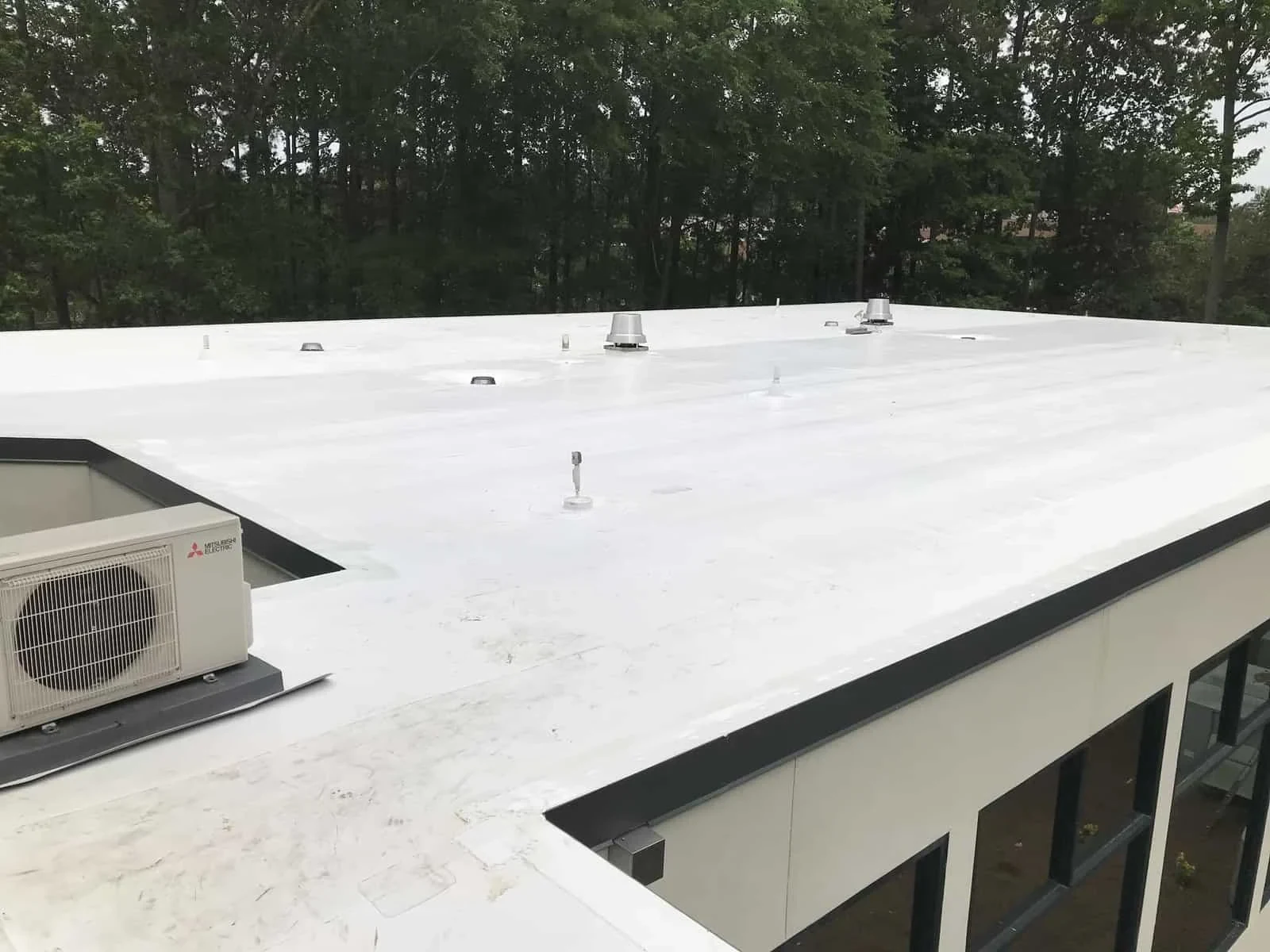
We also flag orphaned penetrations from tenants that moved out years ago. Old vent stacks and abandoned curbs get capped properly or removed rather than left as a patch point nobody remembers installing.
Mixed Roof Ages on the Same Building
It is common on these properties to find a metal R-panel roof over the original shell with a single-ply patch section added later where a tenant cut in a new RTU curb, or a built-up section from decades back still sitting under a partial TPO overlay. Each material ages differently, moves differently in heat, and needs a different repair approach.
We do not treat a flex roof as one uniform system. We survey each section by material and age, note where transitions between systems are weak, and price recommendations by zone instead of a blanket number for the whole roof. An owner deciding between full replacement and targeted repair needs that broken out to make a real decision.
Tenant Buildouts Keep Adding Penetrations
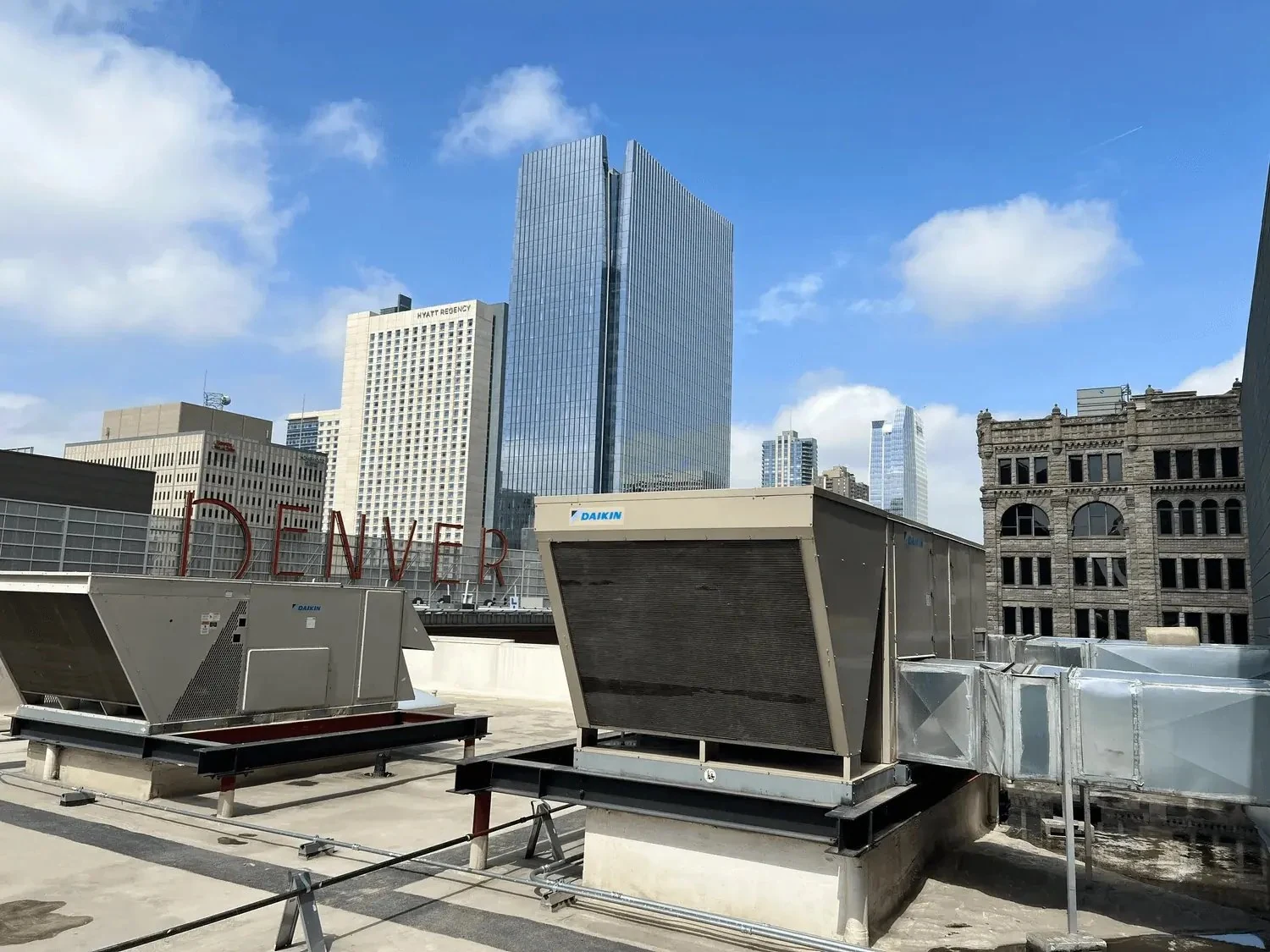
Light-industrial tenants change equipment more than office tenants do. A new compressor, an exhaust fan for a paint booth, a satellite dish, or a rooftop unit swap can all show up mid-lease without the owner's roofing contractor ever hearing about it until water shows up.
Any time we are on site for a repair, we log every penetration we find against what is on record, and flag anything installed without proper flashing. This catches problems early, before a tenant's own contractor-installed curb turns into a warranty dispute between the property owner and whoever cut the hole.
A standard flex-property roof audit from us includes:
- Suite-by-suite mapping of roof sections against tenant boundaries below
- Material and age documentation for each distinct roof zone
- Identification of unpermitted or improperly flashed tenant penetrations
- Transition point inspection where different roof systems meet
- Drainage check across the full field, since flex roofs often have odd add-on slopes
- Abandoned equipment and orphaned curb removal recommendations
- Photo documentation tied to a roof plan the owner can keep for lease negotiations
Roofing Around Businesses That Cannot Close
A flex building might have a distribution tenant on one end and a working auto shop on the other, and neither one wants their bay shut down for a roof project next door. We phase work by suite, keep material staging away from active loading and customer parking, and coordinate noisy work like tear-off or torch-applied modified bitumen around tenant hours where we can.
Dust and debris control matters more here than on a single-tenant warehouse, because whatever falls off the roof lands near someone's open bay door or their customer's car. We tarp and contain by section throughout the work, not only at the close of the day.
When Ownership Changes Mid-Lease
Flex properties in this market trade hands often, and a new owner frequently inherits a roof with no clear maintenance history. We provide condition reports written for that situation specifically: what is original, what has been patched, what tenant-installed equipment lacks proper flashing, and what a buyer should budget for in year one versus year five.
That kind of documentation also matters for insurance renewals on older flex buildings, where a carrier may ask for proof of roof condition before renewing coverage on a property with mixed-age construction.
Flex Space Roofing, Questions We Get Often
Who pays when a tenant's rooftop unit causes a leak?
That is a lease question first, but we always document whether the penetration was properly flashed, which gives the owner what they need to sort it out with the tenant or their equipment contractor.
Can you repair just one section without touching the rest of the roof?
Yes, and on flex properties that is usually the right call. We price by zone so an owner is not paying to replace a section that still has years of life left.
How do you handle roofs with three or four different materials on them?
We survey and document each zone separately, note the transition details between systems, and give repair or replacement pricing that matches what each section actually needs.
Do you work around active tenants during the project?
Always. We phase by suite, contain debris by section, and schedule the loud work around tenant hours wherever the building layout allows it.
What should a new owner ask for before buying a flex property?
A section-by-section roof condition report, not a one-line summary. Mixed-age flex roofs hide their real condition behind whichever section was patched most recently.