Sarnafil PVC for Roofs That See Grease, Oil, or Processing Chemicals
Sika Sarnafil's reputation in this industry is built on PVC, and it's the line we reach for most on the restaurant and hotel corridor along Hospitality Lane and the food-processing and cold-storage buildings clustered near Colton's rail hub. Here's what we install from Sarnafil's catalog and why chemical resistance drives most of the decision to spec them over a TPO-only manufacturer.
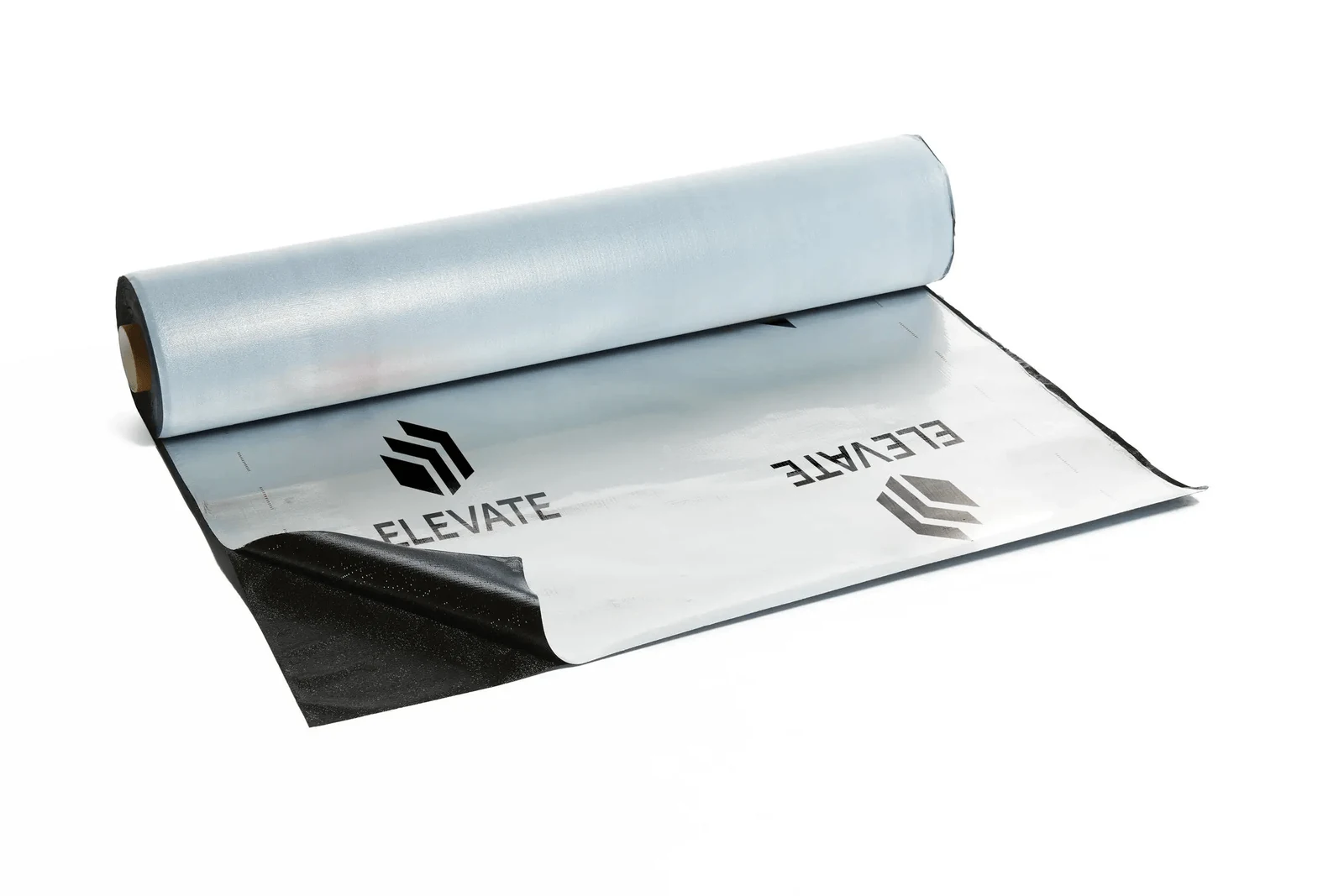
Sarnafil PVC Membrane
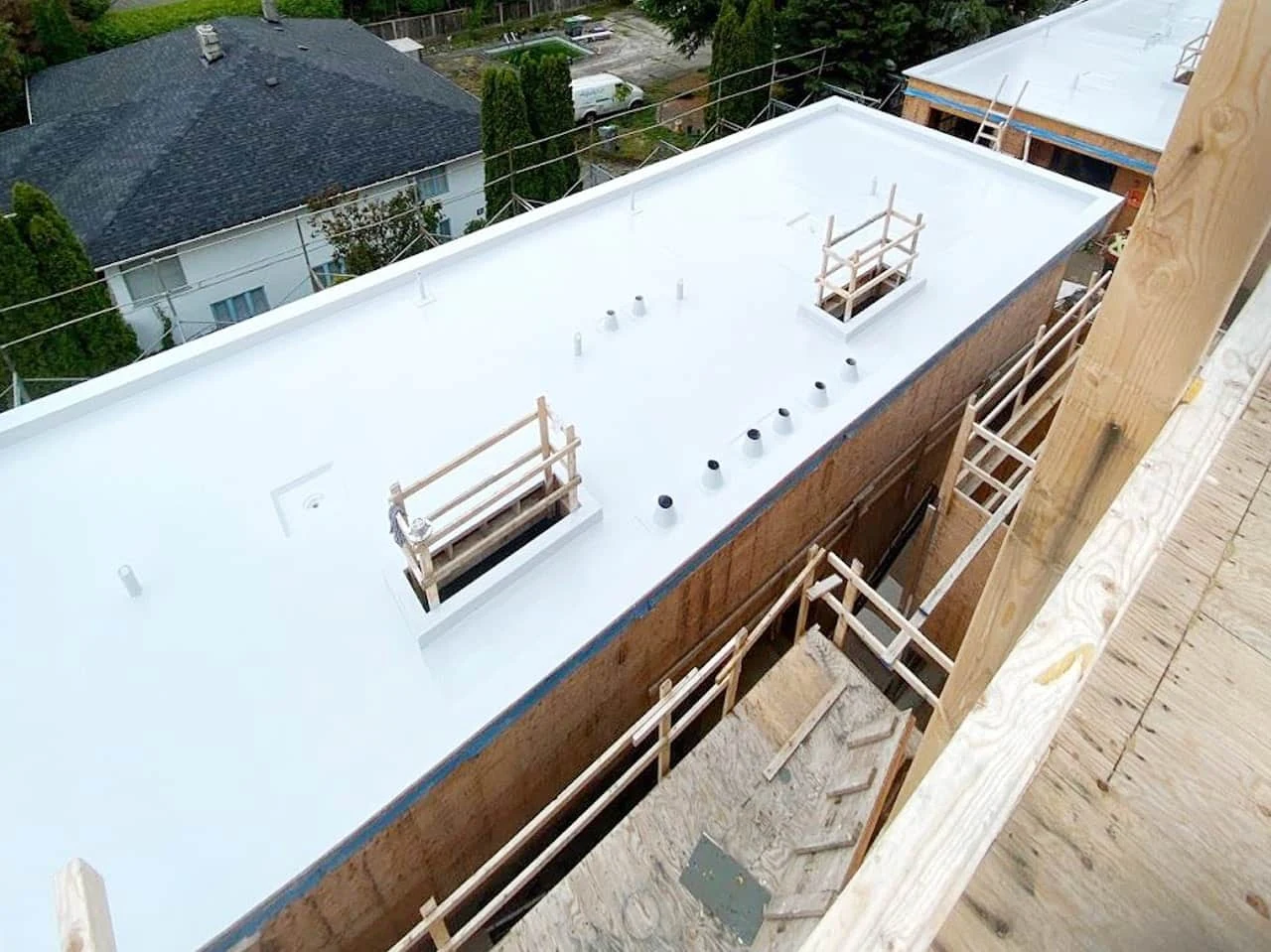
Sarnafil's PVC line, including their standard and fleece-backed (S327-style) sheet options, is hot-air weldable the same way TPO is, but the PVC resin itself resists grease, animal fats, oils, and a range of industrial chemicals significantly better than TPO's polyolefin chemistry. That's the entire reason to choose it: on a clean warehouse field with no chemical exposure, Sarnafil PVC doesn't offer a meaningful edge over a good TPO system and typically costs more. On a kitchen exhaust roof or a processing-adjacent building, it's the right tool.
We spec the fleece-backed version for recover work over uneven or granulated existing roofing, since the fleece backing lets the membrane bridge minor substrate irregularities that would otherwise need to be ground smooth before a standard sheet goes down.
Sarnafil TPO
Sika also manufactures a TPO line under the same Sarnafil name, and we install it on standard warehouse and distribution work when it's the specified or lowest-bid system for a project. Field process is the same as any TPO installation; the brand choice on a pure TPO job usually comes down to warranty program and material availability rather than a performance difference.
Building Types Where Sarnafil PVC Earns Its Cost
Hospitality Lane's hotel, office, and restaurant mix puts a lot of roofs downwind of kitchen exhaust, and Sarnafil PVC's resistance to grease-laden condensate is the direct answer to that exposure. Food-processing and cold-storage buildings near Colton's rail corridor, where rooftop vents may carry processing byproducts, get the same treatment. We also spec it on truck-yard-adjacent commercial buildings in Bloomington and Mead Valley where diesel and hydraulic fluid exposure at ground level can reach nearby rooftops and parapets over time.
Attachment and Warranty Notes
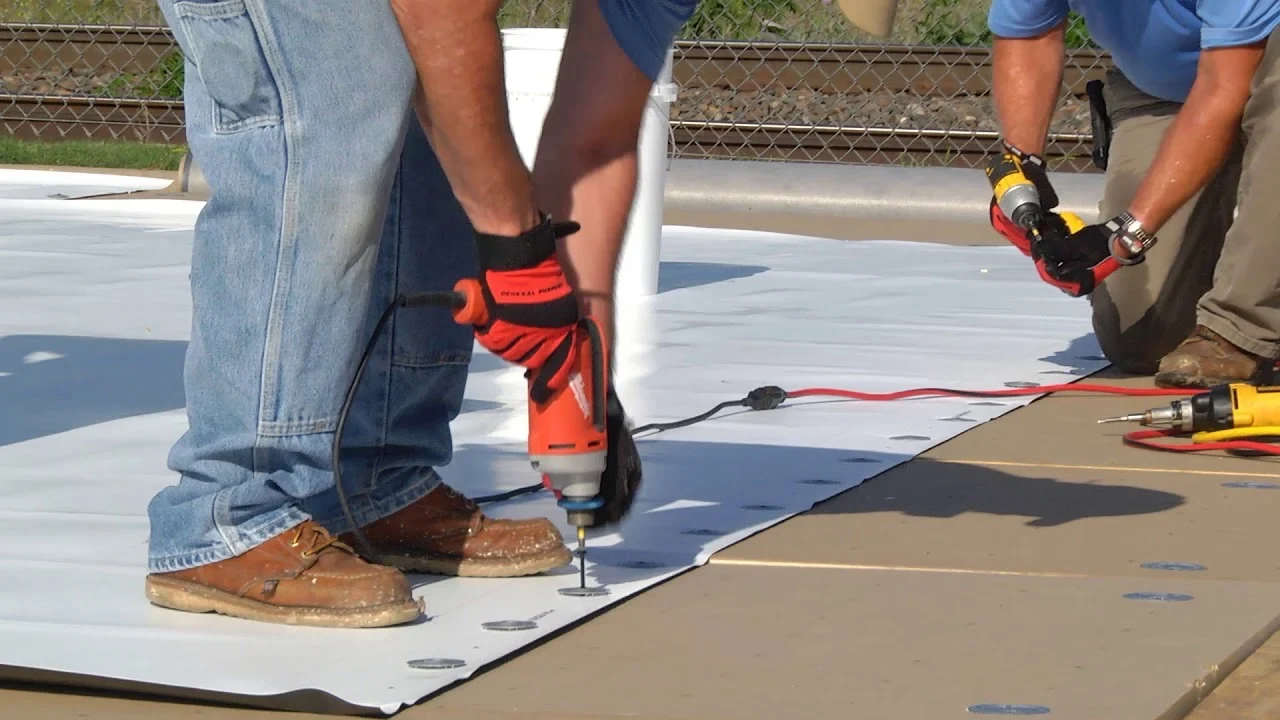
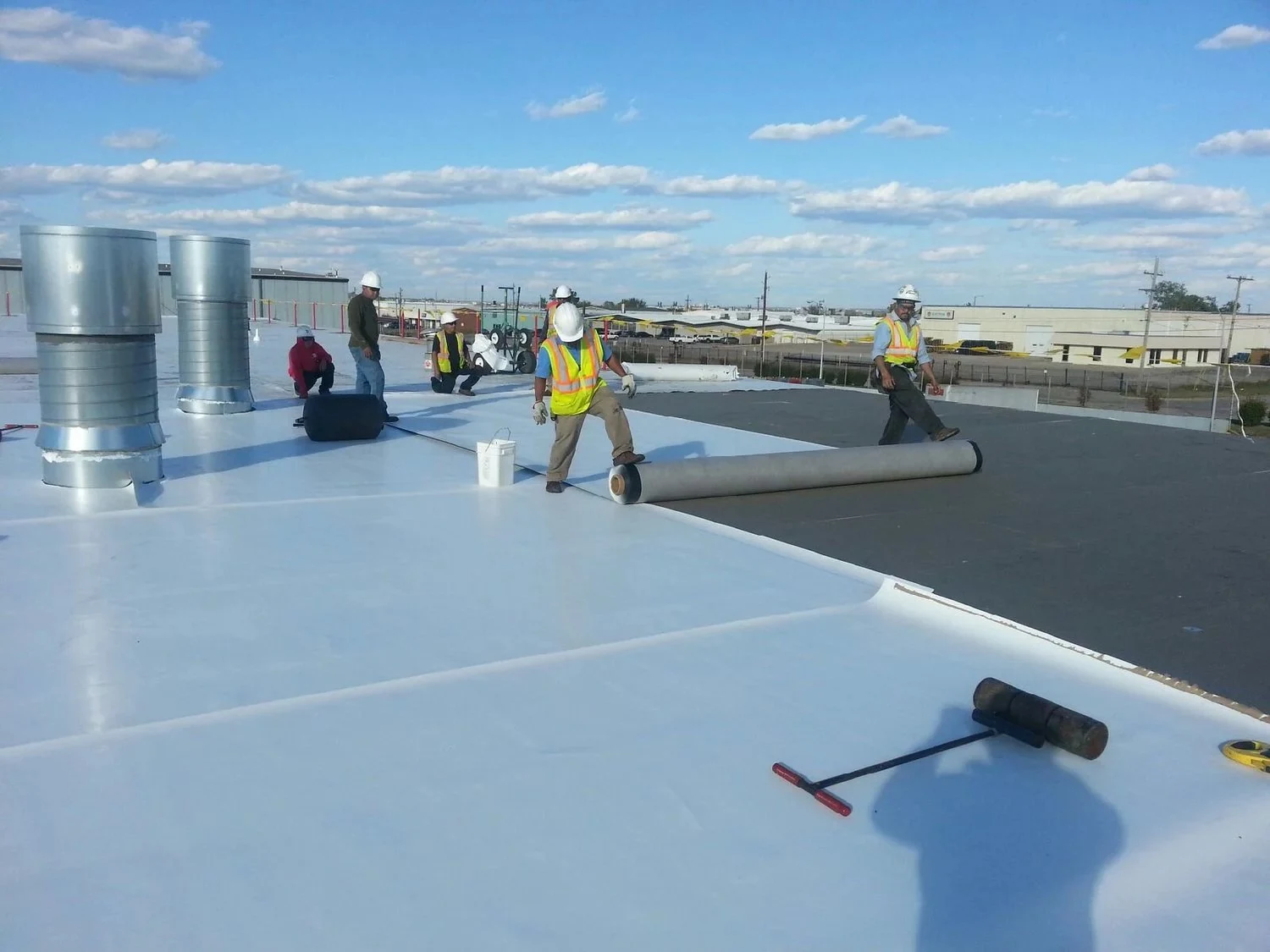
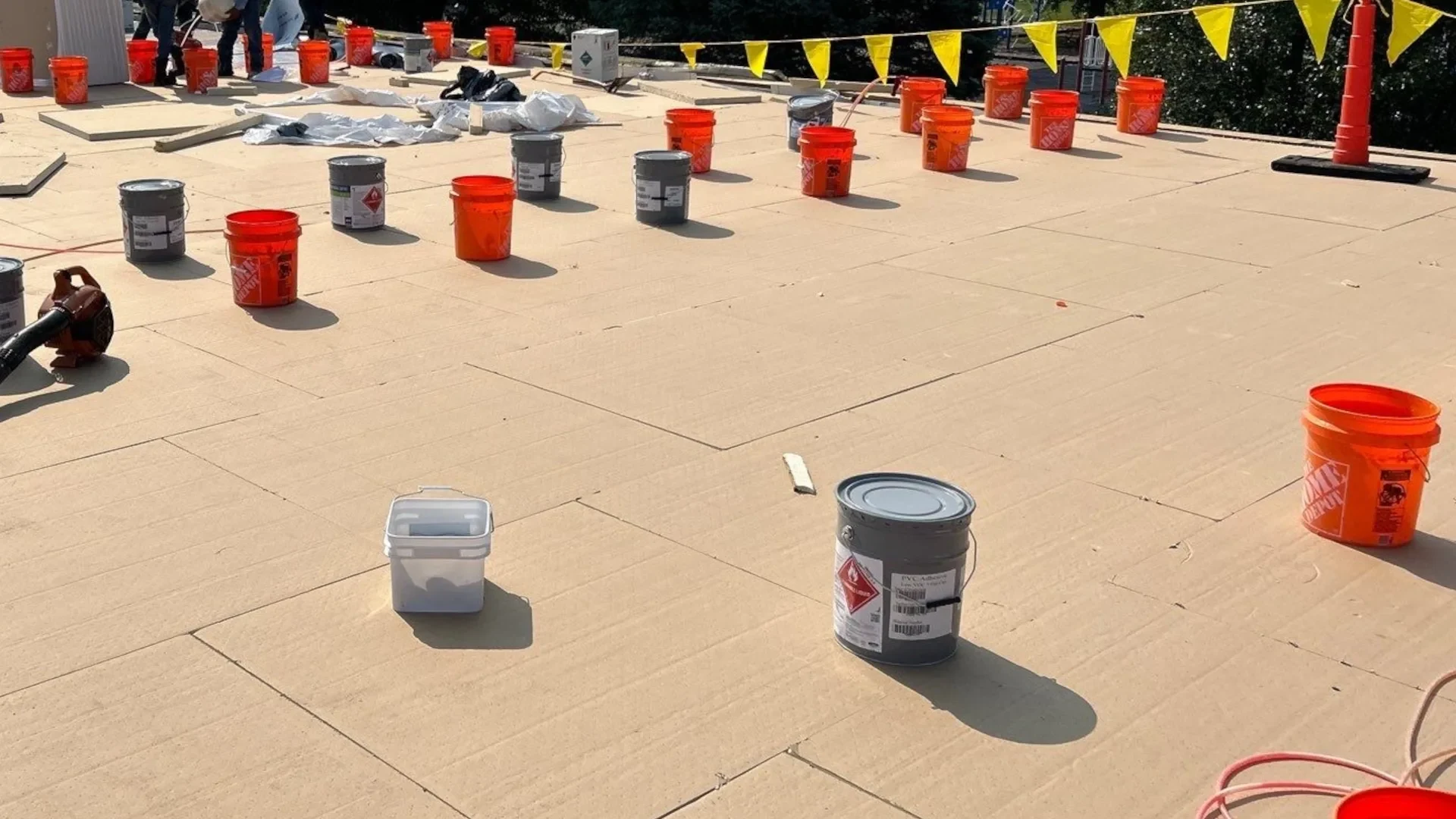
- Fully adhered attachment is standard on chemical-exposure jobs, since loose-laid ballast can trap grease or fluid against the membrane
- Fleece-backed sheet used on recover work over irregular or granulated substrates
- System warranties scale with membrane thickness and attachment method, in line with standard industry tiers of 15 to 30 years depending on assembly
- Warranty issuance requires a completed-installation inspection before Sika finalizes documentation
- Full assembly, insulation through membrane, must follow Sika's specification for system-level coverage
Wind Uplift and Rooftop Equipment We Detail For
Santa Ana wind events push through the valley and the Cajon Pass corridor hard enough to matter for membrane attachment, beyond chemical resistance alone. Fully adhered Sarnafil PVC has a real advantage here over a loose-laid or ballasted system: there's no ballast to become a projectile and no loose edge for wind to get under in the first place. We run uplift calculations against the specific wind exposure for a building's location and height before setting fastener spacing and attachment pattern, since an exposed pad near the Cajon Pass benches or along the Beaumont stretch of I-10 sees materially higher wind loads than a sheltered building down on the valley floor.
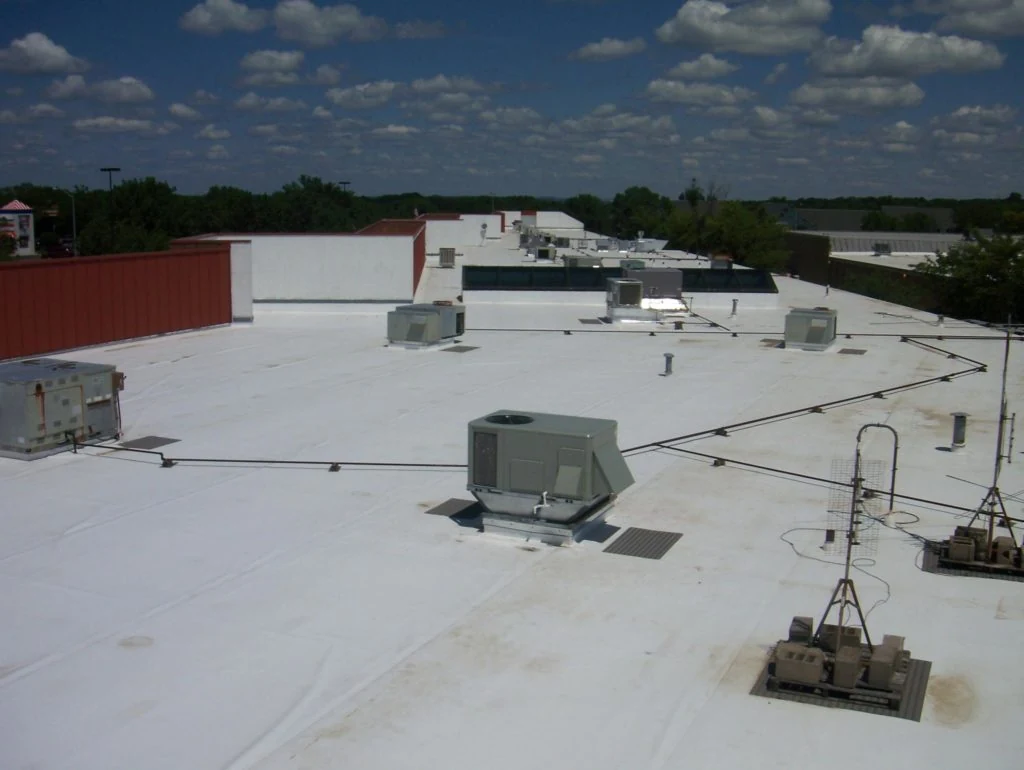
Hotels and restaurants along Hospitality Lane run more rooftop equipment per square foot than almost any other building type we work on: kitchen exhaust hoods, makeup air units, multiple condensers, and grease duct penetrations clustered close together. Every one of those penetrations is a place water can get in, and on a PVC roof we detail each curb with a fully welded pipe boot or curb wrap rather than a caulked or mechanically fastened flashing that depends on sealant staying intact for twenty years.
Grease-laden condensate from exhaust discharge settles on the membrane immediately downwind of a hood vent, and that's exactly the exposure Sarnafil's PVC chemistry handles better than a polyolefin membrane would. We still recommend regular grease trap and roof-drain cleaning near these vents regardless of membrane type, since standing grease is hard on any roof surface over time.
Where We Don't Spec This Line
On the million-square-foot fulfillment centers in Fontana and Rialto with no chemical exposure at all, Sarnafil PVC is more membrane than the roof needs, and we say so rather than upselling a chemical-resistant product where ordinary TPO does the job for less. That advice doesn't change based on which manufacturer we're discussing; it's a membrane-family decision that happens before brand selection.
What We're Not Claiming
We install Sika Sarnafil systems to their published specifications and coordinate their warranty inspection process. That's a description of our installation process, not a claim to a specific certification level or exclusive dealer status, and we're not representing it as one.
Questions on Sarnafil Systems
Is Sarnafil PVC worth the cost premium over TPO?
Where there's real grease, oil, or chemical exposure, yes, the resistance is a genuine and measurable advantage. On a clean warehouse roof with no such exposure, TPO is the more economical, equally durable choice.
Can Sarnafil PVC go over an existing built-up roof near a restaurant?
Often yes, using the fleece-backed version as a recover once we've confirmed the substrate is dry and sound, which avoids a full tear-off on a lot of Hospitality Lane properties.
Does PVC lose flexibility and crack over time?
Older, lower-grade PVC sometimes had plasticizer retention issues over multi-decade service. Current commercial-grade Sarnafil products use higher-retention formulations developed specifically to address that history.
Do you weld Sarnafil PVC the same way as TPO?
Same hot-air welding principle, tested with probe checks and peel-test coupons on every seam, though heat settings differ slightly by sheet chemistry and thickness.
Is Sarnafil's warranty different from a standard TPO warranty?
Structurally similar, scaling by thickness and attachment method, with full-system coverage requiring the complete Sika-specified assembly rather than membrane alone.