When a Roof Claim Needs More Than a Phone Call to the Adjuster
A commercial roof claim usually starts the same way: something happened to the building, the owner calls it in, and an adjuster gets assigned. What decides whether that claim goes smoothly is almost never the phone call. It's whether anyone actually documented what the roof looked like before the adjuster arrived. That's the part we handle, for buildings across San Bernardino, the pass-corridor cities of Beaumont and Banning, Redlands, Highland, and the industrial belt running out toward the high desert along the Cajon Pass.
We're a roofing contractor, not a public adjuster. We don't file your claim, negotiate with your insurer, or promise a payout. What we do is put a roofer's eyes on the roof, document what's actually there in a way an adjuster can act on, and make sure the scope reflects the full extent of the damage rather than whatever's visible from a quick walk of the field.
What a Commercial Roof Claim Actually Requires
Insurers evaluate roof claims on evidence, not descriptions. A claim built on "the roof is leaking" moves slowly. A claim built on photographed, measured damage tied to a specific cause moves faster and holds up better if the adjuster's initial scope misses something. That's the gap between a claim that gets fully paid and one that comes back underpaid: not the size of the loss, but the quality of what was documented before the file closed.
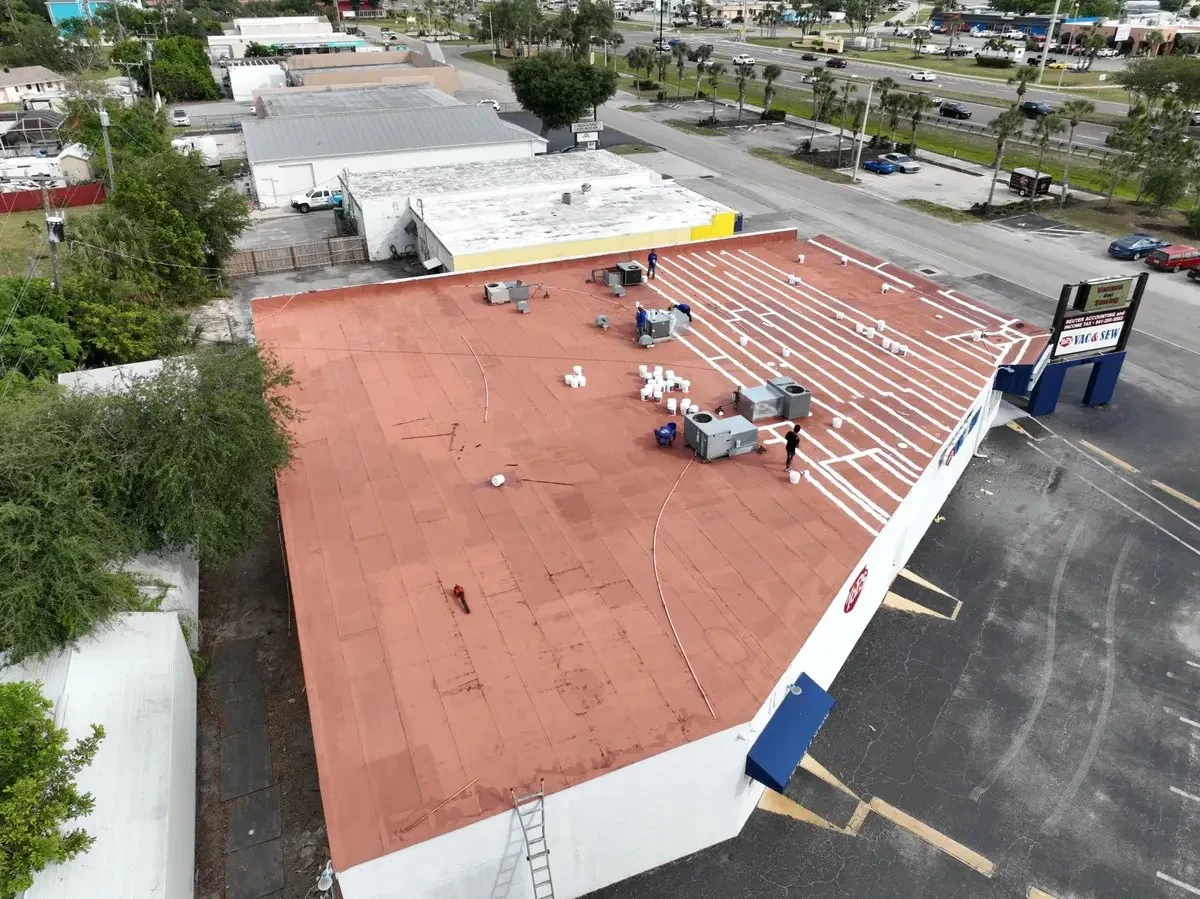
For the logistics and distribution buildings that make up a large share of this market's commercial roof stock, near the BNSF intermodal yard and along the I-10 and I-215 corridors, that documentation has to cover a lot of roof area efficiently. Warehouse and distribution roofs here run TPO and built-up systems over large, low-slope fields, and a claim on a 200,000-square-foot roof needs a systematic photo and measurement pattern, not a handful of shots near the leak.
Damage Documentation, Done the Way an Adjuster Can Use It
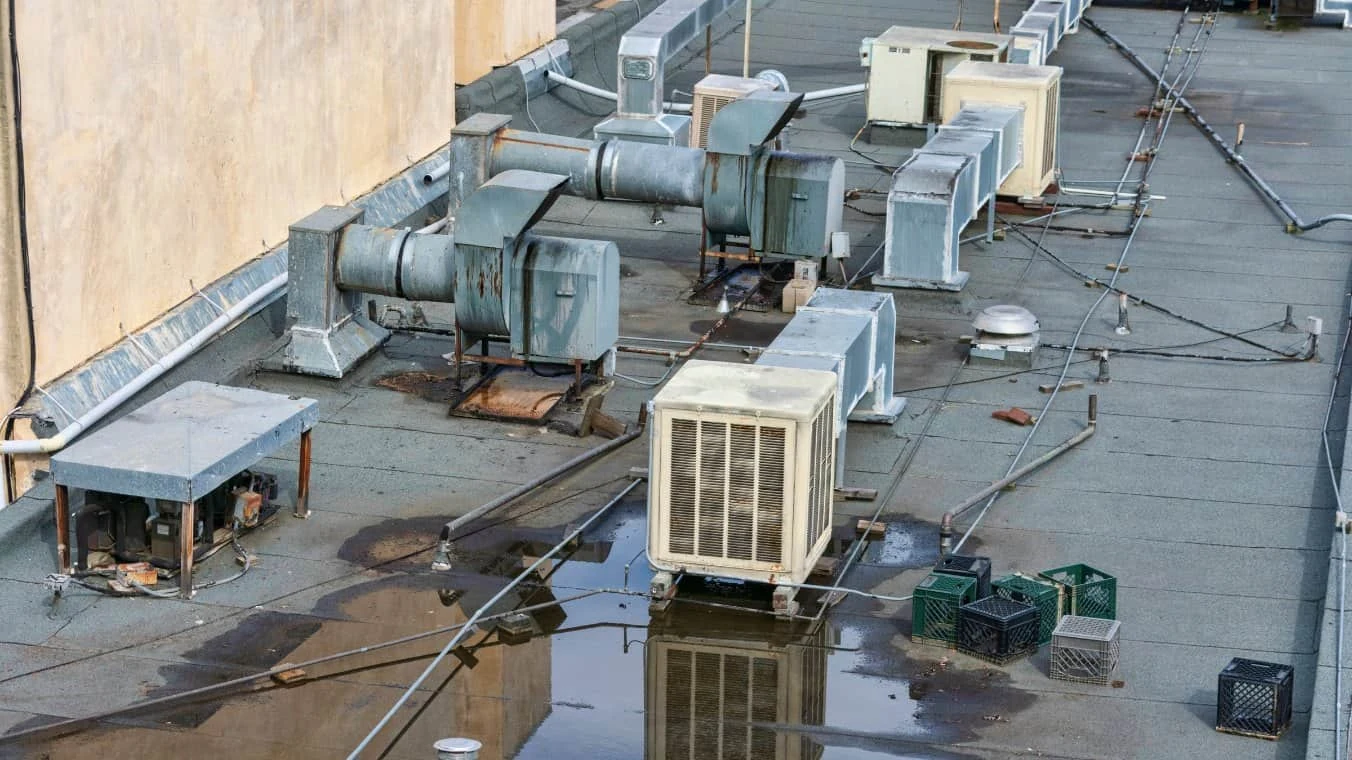
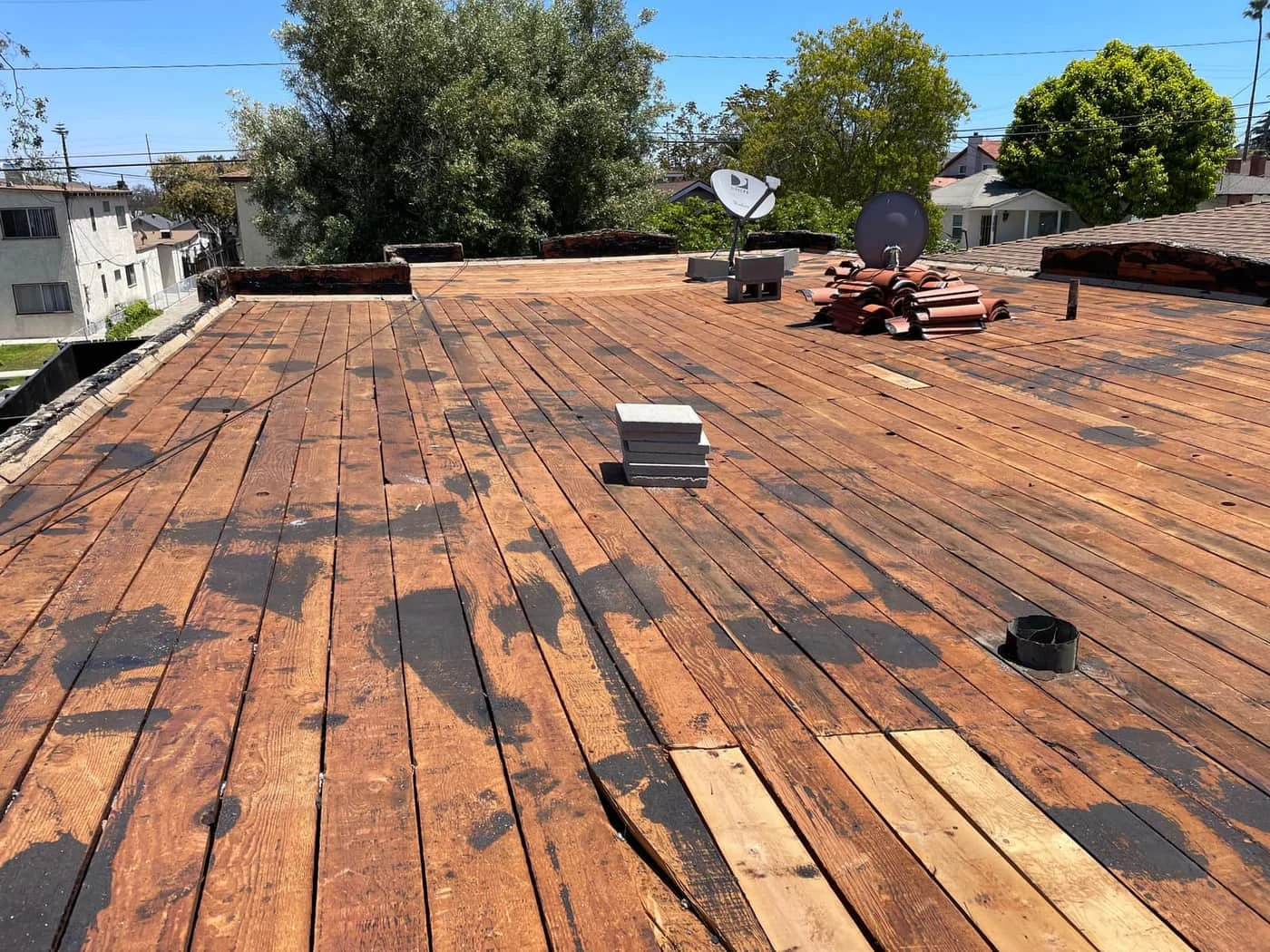
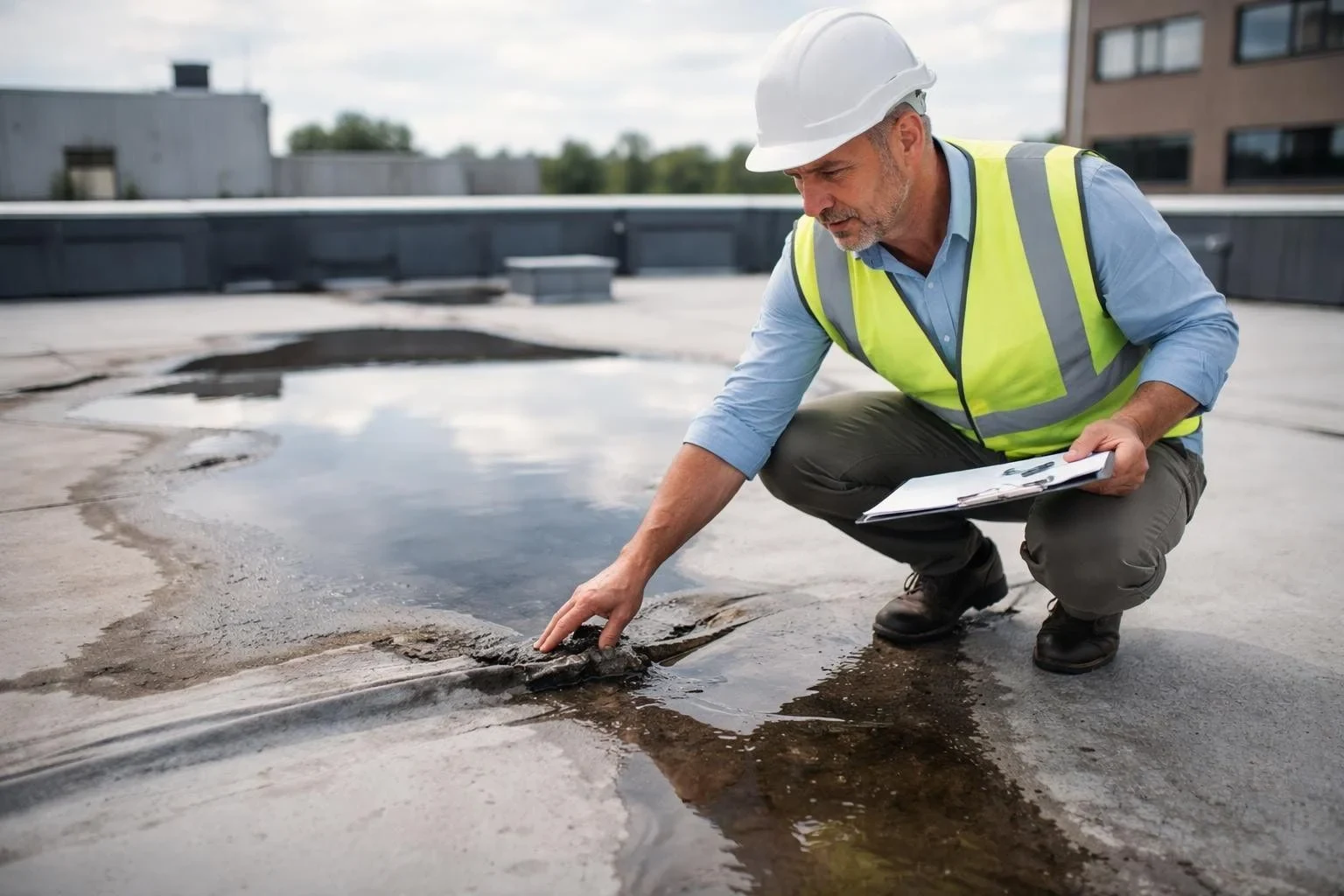
We photograph the full roof, including areas well beyond the obviously damaged section, working a pattern that can be reconstructed later if the adjuster or a second reviewer needs to confirm where each image was taken. We measure affected areas rather than estimating them, because a scope built on actual square footage of damaged membrane, insulation, or flashing holds up under review far better than a rough number. Where moisture is a question, we take moisture readings at the deck or insulation layer rather than guessing from a visible stain.
We also separate what the storm or event caused from what was already there. An older built-up roof on a Redlands or downtown San Bernardino commercial building may have had UV-brittled flashing or worn field seams well before a wind event finished the job. Being upfront about that distinction in the write-up protects the credibility of the legitimate portion of the claim, because insurers push back hard on files that blur storm damage into pre-existing wear.
Meeting the Adjuster on the Roof
When the adjuster wants to walk the roof, we're up there with them. We point to exactly what we documented, explain why we characterized specific damage as event-caused, and answer roofing-specific questions directly rather than routing everything through a call center afterward. Having someone on the roof who actually installs and repairs these systems changes the conversation, because the adjuster is talking to a roofer about roofing, not guessing at technical detail from a report.
A Complete Scope, Beyond the Visible Damage
"Complete scope" doesn't mean padding a number. It means the write-up accounts for everything the damage actually touched: insulation that got wet under a torn membrane section, edge metal and coping that came loose along with the field membrane, and code or ordinance upgrades that apply if a section of roof is being replaced rather than repaired. Leaving those out doesn't make a claim more honest, it just means the owner pays for them later out of pocket. We itemize what's actually required so the claim reflects the true scope of the repair, not a trimmed-down version of it.
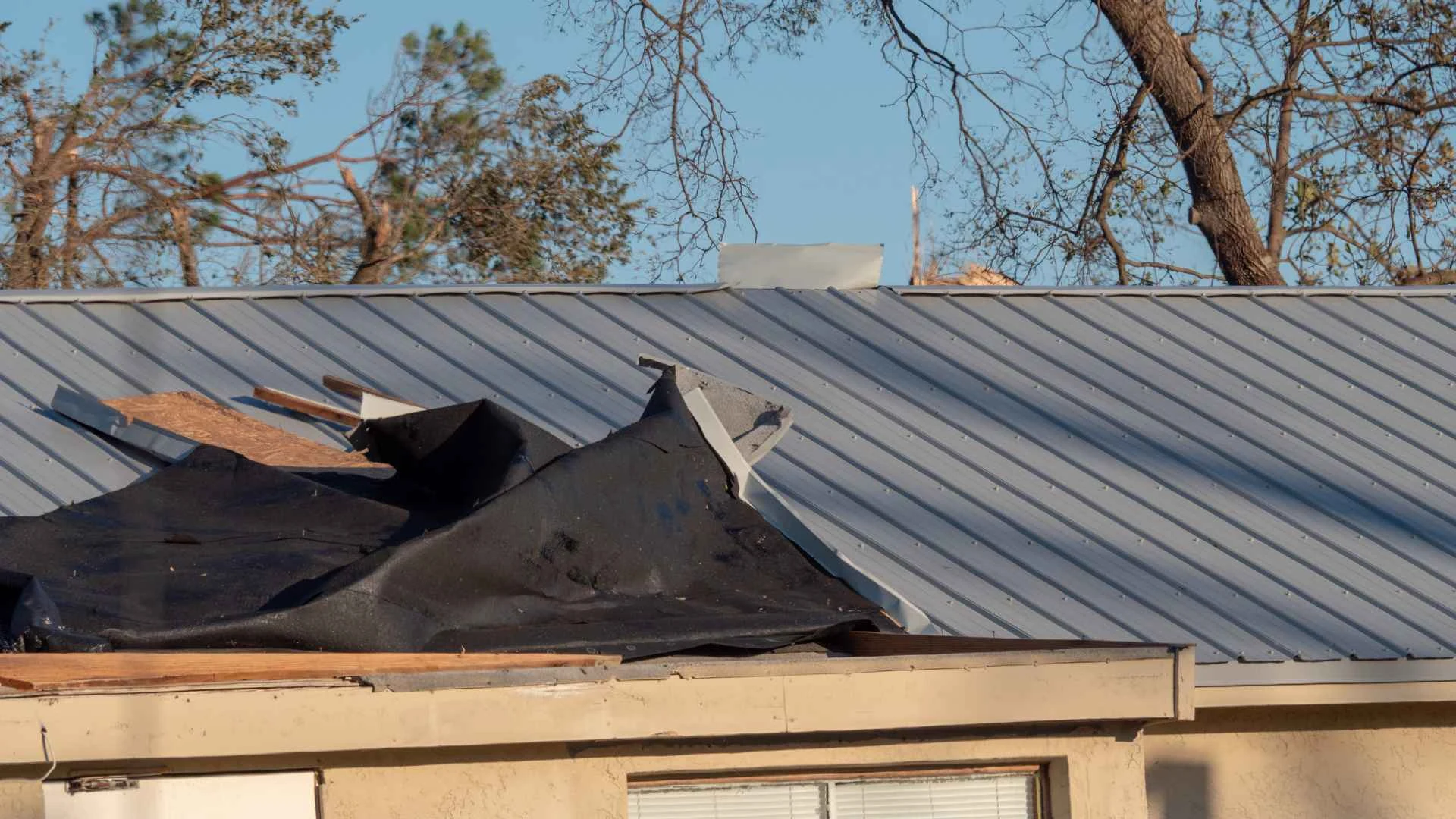
Matching also comes up often on partial-roof claims, particularly on standing seam or metal panel roofs where a manufacturer no longer makes the exact profile or color that was damaged. We note where matching is or isn't realistic so that gets addressed as part of the scope discussion instead of surfacing as a problem after the repair is already underway.
Denied and Underpaid Claims
When a claim comes back denied or underpaid, the roof itself usually holds the explanation. Sometimes the adjuster's sample area missed damage elsewhere on the field. Sometimes the initial scope didn't account for insulation replacement under a torn membrane, or didn't include code-required upgrades tied to the repair. We go back over our own documentation against the insurer's determination and point out, specifically, where the roof evidence doesn't match the scope that was approved. What happens next, whether that's a re-inspection request, an appeal, or accepting the determination, is a decision you make with your insurer or agent. Our role stays the same: accurate documentation, not advocacy.
California's Commercial Roof Insurance Market
Commercial property coverage in California has gotten harder to place and keep in recent years, with insurers tightening underwriting and some carriers pulling back from certain risk categories statewide, including reliance in some cases on the California FAIR Plan for property owners who can't secure standard coverage. None of that changes what we do on the roof, but it does mean the documentation matters more than it used to. A thin, poorly supported claim file is a much harder sell to an insurer that's already being conservative about payouts. A well-documented one gives your claim the best chance of being evaluated on its actual merits.
Heat, Wear, and What Complicates a Claim
This market's long, intense summer heat ages TPO and other single-ply membranes faster than milder climates do, softening seams and accelerating UV breakdown at a rate that can look, at a glance, similar to storm damage if you're not familiar with the difference. We see this often enough on inspections that we build the distinction directly into our write-ups: heat-driven membrane fatigue is a maintenance issue, not a covered event, and conflating the two is one of the fastest ways a claim loses credibility with an adjuster. Knowing the difference on sight, rather than guessing, is a large part of why the documentation holds up.
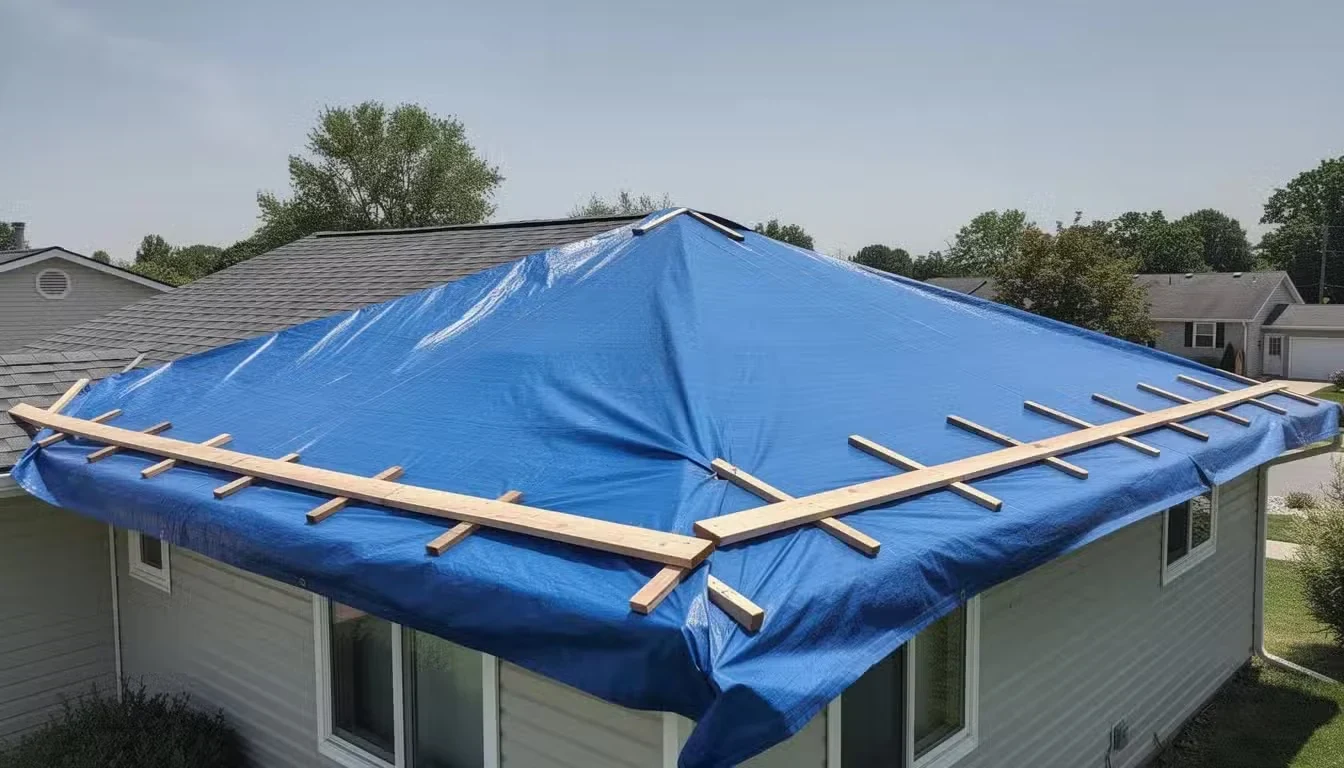
We're your roofing contractor, not a public adjuster. We inspect, document, and substantiate the roof damage so you and your insurance adjuster are working from an accurate, complete scope, and we scope and price the actual repair or replacement separately once coverage is determined. If the roof needs immediate protection while a claim is still open, we can put up an emergency tarp and dry-in in the meantime.
Questions About Roof Insurance Claims
Does insurance cover a commercial roof replacement?
It depends on cause and coverage. Wind, hail, and other sudden covered perils are typically eligible; age-related wear, deferred maintenance, and ponding from clogged drains generally are not. We document the actual cause so you and your adjuster are working from an accurate picture before that determination is made.
What's the claim process from the roof side?
After a damage event, we inspect the roof, photograph and measure the affected areas, and write up a scope that separates storm-caused damage from pre-existing condition. We meet the adjuster on the roof to walk through what we found. From there the insurer makes the coverage determination.
What if my claim comes back denied or underpaid?
We review the adjuster's scope against our own documentation and point out anything that appears to have been missed on the roof itself, such as damage outside the sampled area or code-required upgrades. We supply the roofing detail; whether to appeal or request re-inspection is your decision with your insurer or agent.
Is repair or full replacement the right call?
That's driven by the extent and location of the damage and by your roof system's remaining service life, not by what's easiest to claim. We give you our honest read on scope so that decision is made on the roof's actual condition.
Do you act as our public adjuster or file the claim for us?
No. We're your roofing contractor, not a public adjuster. We inspect, document, and produce the technical scope your claim needs; filing, negotiating, and settling the claim itself stays between you and your insurer.
How fast can you get someone on the roof after a storm?
Active leaks and exposed roof sections get priority scheduling, often within a day or two of a wind or storm event, so documentation happens while conditions are still fresh and any needed dry-in can go up before more water gets in.